
How To
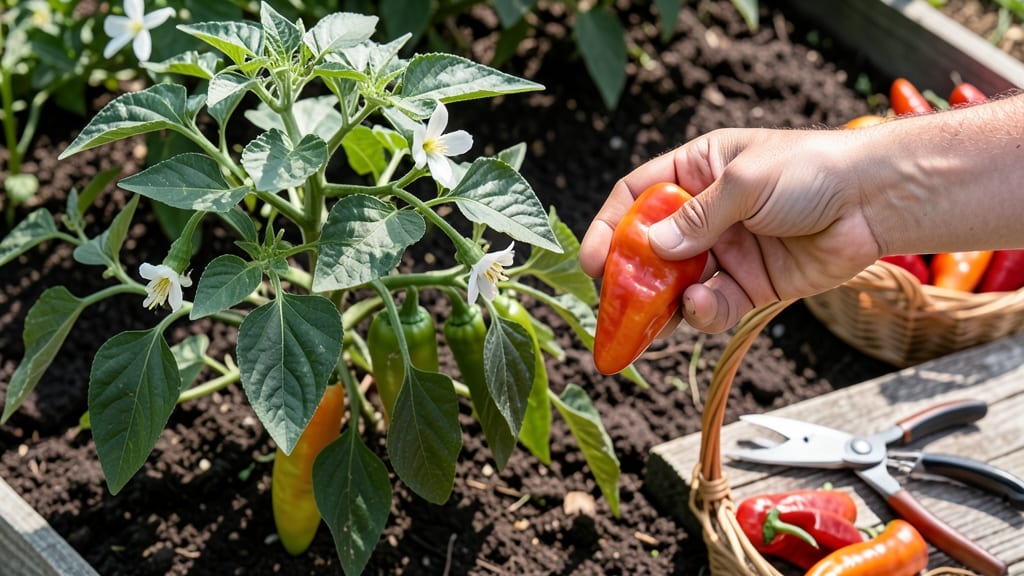
Harvesting cowhorn peppers at the right time means the difference between a smoky, balanced heat and a bitter, underripe disappointment 🌶️.
You’ve spent months nurturing your plants, and now the moment of truth arrives: when to pluck those peppers for the best flavor. Grab a handful and twist—if the stem snaps cleanly, you’re on the right track.
But timing isn’t just about the stem; color, size, and even the way they feel in your hand all play a role.
Cowhorn peppers mature between 90 and 120 days, but climate and variety can shift that window. In USDA Zone 6a, they’re ready from July through October, but a single cold snap can stall ripening.
Below, I’ll walk you through the three tactile tests that guarantee zero bitterness and maximum flavor—no guesswork required.
Master these cues, and you’ll never second-guess your harvest again. Whether you’re drying them for winter or stuffing them fresh into salsas, knowing exactly when to pick means your peppers will shine in every dish.

3 Tactile tests to harvest cowhorn peppers at perfect ripeness
Harvesting cowhorn peppers at the right moment transforms your garden bounty from bitter disappointment to flavorful triumph. Unlike store-bought peppers, these unique chiles develop complex smoky-sweet notes when fully ripe.
The key? Trusting your eyes and fingers—not just the calendar. I’ve learned the hard way that waiting for color changes alone isn’t enough; you need to feel the pepper’s readiness.
Cowhorn peppers mature through distinct stages, each offering different flavor profiles. Green peppers are mild but underdeveloped, while overripe peppers lose their crisp texture and develop a harsh bite. The sweet spot? When they’re firm, glossy, and fully colored—typically deep red, yellow, or orange depending on your variety.
But how do you know for sure? These three tactile tests will give you confidence every harvest season.
Look for deep, even color—no green patches. Cowhorns mature from green to yellow/orange/red.
Gently twist the pepper at its stem. If it snaps cleanly with minimal resistance, it’s ready.
Press gently—ripe cowhorns feel firm but slightly yielding, like a ripe avocado. Soft or wrinkled = overripe.
Let’s start with the color progression test, my go-to method for spotting ripe cowhorns in a crowded garden. These peppers begin bright green and gradually deepen into their mature hue—crimson red, golden yellow, or fiery orange, depending on the variety.
Pay close attention to uniform color: any lingering green patches mean the pepper needs more time on the vine. I once picked a batch of cowhorns that were mostly red but still had green tips, and the flavor was uneven and disappointing.
The stem separation test is where things get interactive. Grab the pepper near its stem and give it a gentle twist. If it detaches with a clean snap—like pulling a ripe tomato—you’ve hit the sweet spot. Resistance means it’s not ready; a mushy stem signals overripeness.
Pro tip: Use this test in the morning when peppers are firmer, not after a hot afternoon when they soften. I’ve saved many a pepper from premature harvests by waiting until the next day after a close call!
Don’t overlook the texture firmness test, which reveals a pepper’s internal readiness. A ripe cowhorn should feel slightly firm but not rock-hard, with a smooth, glossy skin. Run your thumb over the surface—it should feel satiny, not leathery or dry.
Overripe peppers develop a wrinkled, papery texture, and their heat becomes harsh and one-dimensional. I learned this lesson the hard way when I ignored the texture and ended up with a batch of cowhorns that were more like dried-out raisins than flavorful peppers.
Timing matters too—harvest cowhorns in the late morning when temperatures are mild. This ensures the peppers are at their peak firmness and won’t bruise during handling. Store them in a paper bag in the fridge for up to a week, or dry them for long-term storage.
I’ve found that cowhorns harvested at their ideal ripeness hold their flavor for weeks, while early or late picks lose their complexity quickly.
For gardeners in USDA Zone 6a, aim to harvest between mid-July and October, depending on your planting date. Cowhorns typically take 70–120 days to mature, so keep an eye on your plants and use these tests to guide you.
If you’re growing multiple varieties, label your plants—some cowhorns mature faster than others, and mixing them up can lead to uneven harvests. I’ve even seen yellow cowhorns ripen weeks before their red counterparts!
One final tip: Harvest regularly to encourage more production. Cowhorn pepper plants can yield dozens of peppers per season if you keep up with harvesting. I once let mine go too long, and the plant became overwhelmed, producing smaller, less flavorful peppers afterward.
By using these tactile tests, you’ll not only get the best-tasting cowhorns but also maximize your plant’s productivity.
Remember, the goal is a balanced flavor profile—sweet, smoky, and just a hint of heat. These three tests ensure you’re always picking cowhorns at their peak, whether you’re drying them for winter or using them fresh in homemade hot sauces.
Now grab your pruners and get ready to taste the difference!
Cowhorn pepper maturity stages: what to expect by color and size
Understanding the maturity stages of cowhorn peppers transforms your harvest from guesswork to precision. These peppers transition through distinct phases—green, yellow, and red—each offering unique flavor profiles and textures.
The key lies in recognizing these visual and tactile cues to avoid bitter, underripe peppers or overly soft, overripe ones.
When cowhorn peppers first appear, they’re bright green and firm, measuring about 2-3 inches long. At this stage, they’re packed with raw pepper compounds that can taste harsh or bitter.
Most gardeners skip harvesting at this phase, but some varieties benefit from early green harvesting if you prefer milder heat levels.
| Stage | Color | Size | Flavor Profile | Harvest Time |
|---|---|---|---|---|
| Immature | 🟢 Bright Green | 2-3 inches | Bitter, raw | Avoid (unless needed) |
| Early Ripening | 🟡 Yellow/Orange | 3-4 inches | Sweet, mild heat | Good for drying |
| Fully Ripe | 🔴 Deep Red | 4+ inches | Smoky, intense heat | Peak harvest time |
The yellow-orange phase signals the pepper’s readiness for drying or fresh use. At this stage, cowhorn peppers grow to 3-4 inches long and develop a slightly sweeter, milder heat.
This is an excellent time to harvest if you plan to dry or freeze your peppers, as the sugars concentrate during dehydration, enhancing flavor.
For the full smoky experience, wait until cowhorn peppers turn deep red. At this point, they’ll measure 4+ inches and boast a glossy, firm skin.
The stem should twist off easily—a clear sign of maturity. These peppers deliver the most complex flavor, balancing sweetness and heat perfectly for fresh eating or fermenting.
Storage tips vary by ripeness: green peppers last 1-2 weeks in the fridge, while red peppers keep for 2-3 weeks. For long-term storage, freeze ripe peppers whole or slice them after blanching. Avoid storing overripe peppers—they’ll turn mushy and lose their smoky depth.
Pay attention to the stem’s snap and the pepper’s weight—a ripe cowhorn feels heavy for its size. If you miss the window, don’t worry; cowhorn peppers won’t ripen further once picked, but harvesting at the right stage ensures maximum flavor and heat.