
How To
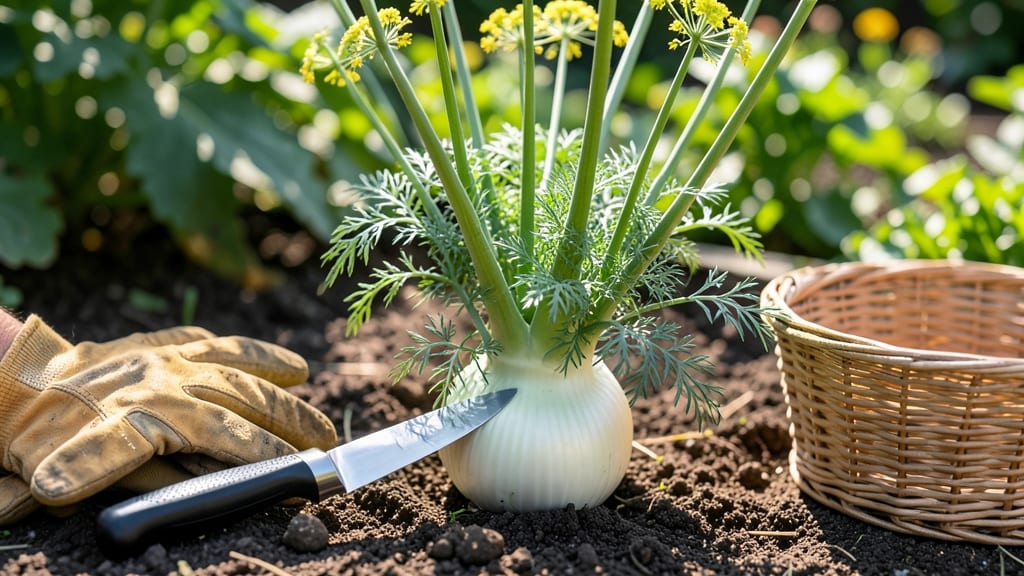
Harvesting fennel bulb at the right time ensures its sweet, anise-like flavor shines—too early and it’s bitter, too late and it turns woody. 🌿
Picture this: you’ve nurtured your fennel for months, and now the moment of truth arrives. How do you know when to pull it? The answer lies in a simple twist test, bulb size, and leaf color cues—all of which I’ll break down so you never miss the window again.
Fennel thrives in USDA Zone 6a from March to April planting, with harvest season stretching from July to September. The key is timing: aim for bulbs that are 3–4 inches wide, with crisp stems and just a hint of yellowing at the base.
Below, I’ll walk you through the exact steps to test readiness, avoid common mistakes, and store your harvest for maximum freshness—so you can enjoy that perfect balance of sweetness all season long.

The tactile twist test: how to know fennel bulb is ready to harvest
Harvesting fennel bulbs at the perfect moment ensures that sweet, crisp flavor we all love. The tactile twist test is my go-to method because it combines touch with visual cues to guarantee you don’t miss the window.
Unlike other vegetables, fennel bulbs can quickly turn woody or bitter if left too long, so this method gives you a foolproof way to check readiness without guesswork.
When performing the twist test, focus on the bulb’s firmness and the resistance of the stems. A ready-to-harvest fennel bulb should feel dense and solid when gently squeezed. If it gives slightly under pressure, it’s not quite there yet.
This tactile check is especially useful when combined with visual signals like the yellowing of lower leaves, which often appear just before the bulb reaches peak sweetness.
Here’s why the twist test works so well: fennel bulbs store energy in their roots, and as they mature, this energy shifts from the leaves to the bulb.
The twist test helps you feel this shift—when the bulb is firm and the stems resist gentle twisting, you’ve hit the sweet spot. Avoid harvesting too early (bitter taste) or too late (woody texture) by mastering this simple technique.
Step-by-Step Twist Test for Fennel Bulbs
- 👆 Step 1: Check Bulb Size – Aim for a 3–4 inch diameter. Smaller bulbs (under 2 inches) are bitter, while larger ones (over 4 inches) become woody.
- 👆 Step 2: Inspect Leaf Color – Look for yellowing at the base of the leaves. This signals the plant is redirecting energy to the bulb.
- 👆 Step 3: Perform the Twist Test – Gently grasp the base of the fennel bulb and twist it slightly. If the bulb resists but doesn’t snap, it’s ready.
- 👆 Step 4: Test Stem Firmness – Press a stem near the bulb. It should feel crisp and firm, not soft or hollow.
- 👆 Step 5: Harvest Immediately – Use a sharp knife or pruners to cut the bulb about 1 inch above the soil line. Avoid pulling to prevent damage.
One common mistake is relying solely on days to maturity, which can vary based on climate and growing conditions. The twist test accounts for these variables by focusing on the bulb’s physical state.
For example, in cooler climates, fennel may take longer to reach the ideal firmness, so the tactile method ensures you don’t harvest too early.
If you’re growing fennel for its feathery fronds (often used as a garnish), you can harvest them throughout the season without waiting for the bulb to mature. However, for the bulb itself, timing is everything.
The twist test is especially valuable in late summer when fennel is nearing maturity, and the weather can cause rapid changes in the plant’s readiness.
To avoid overharvesting, always check multiple bulbs in your patch. Fennel plants can vary slightly in maturity, even within the same row. If you notice some bulbs are already firm while others aren’t, harvest the ready ones first and give the others a few more days.
This staggered approach ensures you enjoy fennel at its peak flavor without waste.
After harvesting, store fennel bulbs in a cool, dark place (like a root cellar) for up to 2 weeks. For longer storage, trim the fronds and roots, then wrap the bulb in a damp paper towel before refrigerating. This preserves its sweetness and crisp texture, making your harvest last longer.
Pro tip: If you’re unsure whether your fennel is ready, harvest one bulb as a test. Cut it open to check for a white, crisp interior.
If it’s still pale green or soft, give it a few more days. This hands-on approach builds your confidence in using the twist test for future harvests.
Mastering the twist test transforms fennel harvesting from a guessing game into a precise, rewarding process. With this method, you’ll consistently enjoy bulbs that are sweet, crisp, and perfectly timed for your kitchen—or garden table. Happy harvesting!
Alternative harvesting methods: days to maturity, bulb size, and leaf signals
Timing your fennel bulb harvest isn't just about guessing—it's about combining days to maturity, bulb diameter, and leaf signals for perfect sweetness. Most varieties reach peak flavor 30–40 days after transplanting, but visual cues confirm readiness.
For example, my Florence fennel always hits its sweetest spot when the bulb measures 3–4 inches wide and the outer fronds show subtle yellowing.
Beyond the classic 3–4 inch bulb size, pay attention to the base leaves turning yellowish-brown—a clear sign the plant is redirecting energy to the bulb. However, if the flower stalk starts emerging, you’ve waited too long, and the bulb will taste woody.
I’ve learned to harvest before bolting even if the bulb isn’t perfectly sized, because flavor trumps size every time.
| Harvest Method | Key Indicator | Best For | Flavor Profile |
|---|---|---|---|
| Days to Maturity | 30–40 days post-transplant | Full-sized bulbs | Sweetest, crispest |
| Bulb Diameter | 3–4 inches wide | Baby fennel or full bulbs | Balanced sweetness |
| Leaf Signals | Yellowing base fronds | All varieties | Peak sweetness |
| Baby Fennel | 2–3 inches, tender leaves | Salad use | Mild, delicate |
For baby fennel, harvest when bulbs are just 2–3 inches wide and leaves remain vibrant green. This method works well for salad mixes or quick-cooking dishes where tenderness matters more than size.
I’ve used this approach for Florence fennel in early summer, snipping the entire plant and letting it regrow for a second harvest.
If you’re growing finocchio fennel, focus on the 3–4 inch bulb rule but watch for flower stalks—they’re a red flag. My neighbor once let his fennel bolt, and the bulbs were so tough they were nearly inedible.
Always prioritize harvesting before bolting, even if the bulb isn’t perfectly round.
Pro tip: Combine these methods for foolproof results. Check the days since transplanting (30–40 days), measure the bulb diameter, and confirm with leaf color changes. When all three align, you’ve got the perfect fennel bulb—sweet, crisp, and ready for the kitchen.
🌿