
How To
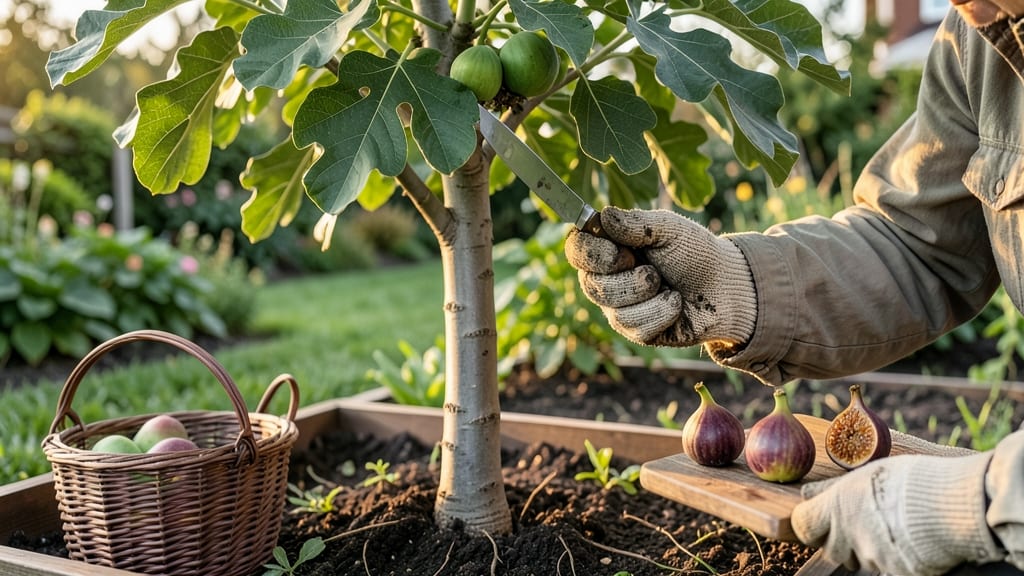
Figs are ready to harvest when they yield slightly to touch and have fully ripened in late summer to fall 🍈 — timing them right ensures sweet, jammy fruit instead of bland or overripe disappointment.
Picture this: you’re reaching for a fig, expecting that perfect burst of flavor, only to find it mealy or still hard. That’s the difference between a foolproof harvest and a wasted season. The key? Knowing exactly when to pluck them.
Most fig varieties ripen between August and October, but the real test is tactile: press gently—if the skin gives just a little, it’s ready. Color shifts (from green to purple, brown, or yellow) and a slight softness are your best clues.
In this guide, I’ll walk you through three simple tests to nail the harvest, plus how to handle figs once they’re off the tree—whether you’re eating them fresh or storing them for later.

3 Tactile tests to determine when figs are ready for harvest
Figs are one of nature’s sweetest rewards, but picking them too early or too late can ruin the flavor. Unlike many fruits, figs don’t ripen well after harvest, so timing is everything. The key lies in three simple tactile tests that reveal when your figs are at their peak.
These methods focus on touch, color, and stem condition—no fancy tools required, just your hands and eyes.
I’ve learned the hard way that underripe figs taste bland and mealy, while overripe ones can be mushy and fermented. The secret? Combining visual cues with physical tests to confirm ripeness.
Whether you’re growing common figs like ‘Brown Turkey’ or specialty varieties like ‘Black Mission,’ these tests work for all types. Let’s dive into the foolproof way to tell when your figs are ready to pick.
Press gently—ripe figs yield slightly under finger pressure. Look for fully colored skin (no green) and a plump, rounded shape.
The stem base should appear dry or slightly shrunken. If it’s still green and firm, wait 2-3 more days.
Grasp the fig and twist gently. If it detaches easily from the branch, it’s ready. If it resists, it’s not ripe yet.
The first test focuses on skin texture. A ripe fig’s skin should feel soft and slightly yielding when you press it with your thumb. If it springs back or feels hard, it’s not ready.
For example, ‘Celeste’ figs turn a vibrant yellow when ripe, while ‘Black Mission’ figs develop a deep purple hue. Color alone isn’t enough—always pair it with the touch test to avoid mistakes.
Many gardeners overlook the stem condition, but this is a game-changer. A ripe fig’s stem will appear dry or slightly shriveled at the base. If you see a green, plump stem, the fig needs more time.
I once picked a batch of figs because they looked ripe, only to find they were still hard inside. The stem test saved me from wasting another harvest!
Here’s where most people go wrong: they rely on size alone. A fig can be large but still underripe, or small but perfectly sweet. Always combine size, color, and touch for accuracy.
For instance, ‘Chicago Hardy’ figs might stay small but become perfectly ripe. Trust your fingers—they’re more reliable than a ruler.
The gentle twist test is my favorite because it’s the most definitive. When a fig is ripe, it should detach with minimal effort. If you have to tug or the fig resists, it’s not ready.
This test works especially well for container-grown figs, where branches are thinner and easier to assess. Pro tip: Do this test in the morning when figs are firmer.
One common mistake is harvesting figs that have cracked or split skin. While this might seem like a sign of ripeness, it often means the fig is overripe and fermenting.
Overripe figs can attract pests like wasps, so pick them immediately if you spot splits. Always harvest in the morning to avoid attracting insects during the heat of the day.
Regional differences can affect ripening times. In hotter climates, figs may ripen faster and require more frequent checks. In cooler areas, they might take longer to reach peak ripeness.
If you’re in Zone 7 or below, consider harvesting slightly earlier to avoid early frost damage. Always monitor weather forecasts and adjust your picking schedule accordingly.
Once you’ve mastered these tactile tests, you’ll never second-guess when to harvest again. The key is consistency—check your figs every 2-3 days during peak season (late summer to early fall).
With practice, you’ll develop an instinct for knowing when a fig is perfect. And remember: a ripe fig should taste sweet, jammy, and slightly chewy—not bland or mushy.
Best practices for harvesting figs without damaging the tree
Harvesting figs requires a gentle touch to avoid bruising the fruit or harming the tree. The key is knowing when and how to pick them—whether you're dealing with common varieties like Brown Turkey or specialty types like Black Mission.
Timing varies slightly by type, but the techniques remain consistent to preserve both the figs and your tree's health.
Start by checking the stem attachment—a ripe fig should separate easily with a slight twist. If it resists, it’s not ready yet. For container-grown figs, this method works just as well, though you may need to support the branch to avoid overloading it.
Always use clean, sharp pruners or your hands to prevent spreading disease.
⚠️ callout warning
Figs won’t ripen further after picking, so wait until fully colored (purple, brown, or yellow) and soft to touch. Harvesting too early leads to bland, seedy figs, while waiting too long causes them to split or fall, wasting your crop. Morning harvests are ideal—they’re cooler and reduce stress on the tree.
Different fig varieties mature at slightly different times. Common figs like Chicago Hardy ripen in late summer to early fall, while specialty varieties like Sierra or Celeste may extend into October.
Always monitor your tree weekly once figs begin to color—some varieties produce multiple crops, so stay vigilant for second flushes.
To harvest safely, gently grasp the fig near its stem and twist it away from the branch. If the fig doesn’t release easily, it’s not ripe. For large or heavy figs, use a small pair of pruners to cut the stem cleanly, leaving a tiny stub.
Avoid pulling or yanking, which can tear the fruit or damage the branch.
Once harvested, store figs in a single layer in the fridge to prevent bruising.
They’ll keep for 3-5 days this way, but for longer storage, wrap them individually in paper towels and place in a paper bag in the crisper drawer. Room-temperature storage is best for immediate use—figs ripen fastest at 60-70°F.
After harvesting, inspect your tree for any remaining figs that may have cracked or fallen. Remove these promptly to prevent pests or disease. Prune any dead or damaged branches and apply a light mulch around the base to retain moisture for next year’s crop.
With proper care, your fig tree will reward you with years of bountiful harvests!