
How To
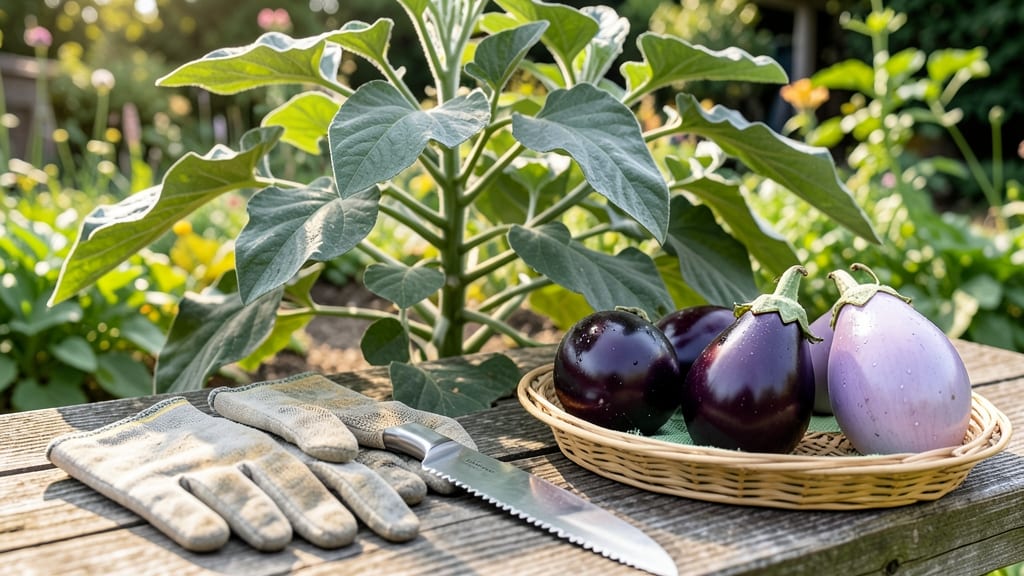
To harvest eggplant at its peak flavor and texture, you’ll need to time it just right—when the skin yields slightly to gentle thumb pressure and the fruit reaches its mature size.
There’s nothing quite like biting into a homegrown eggplant—unless it’s the perfectly ripe one you just harvested yourself. But timing is everything: pick too early, and you’ll sacrifice flavor; wait too long, and you risk overripe, seedy disappointment.
Most gardeners focus on color as the key sign, but size and firmness are just as critical. A ripe eggplant should measure 6-8 inches long, feel heavy for its size, and have a glossy, deep hue—whether purple, black, or white, depending on the variety.
In this guide, you’ll learn the exact moment to harvest your eggplant, the best tools to use, and how to handle it afterward to keep it fresh for days. Let’s make sure your hard work pays off with the best-tasting eggplant you’ve ever grown!
How to check eggplant ripeness: 3 key signs skin color isn’t enough
Most gardeners rely on skin color to judge eggplant ripeness, but that’s only part of the story. A deep purple or glossy black doesn’t always mean peak flavor—sometimes it’s a sign of overripeness.
The real magic happens when you combine three subtle cues: size consistency, gentle thumb pressure, and stem readiness. Mastering these will transform your harvest from "meh" to "mind-blowing."
Let’s start with the size benchmark. Most standard eggplant varieties like Black Beauty or Ichiban reach harvest readiness at 6-8 inches long. But here’s the catch: some heirloom varieties (like Rosa Bianca) can grow larger—up to 12 inches—before hitting their sweet spot.
Measure a few fruits to account for natural variation in your garden.
Now for the gentle thumb pressure test, my favorite trick for nailing ripeness. Press your thumb firmly but gently against the eggplant’s skin. If it yields slightly (like pressing a ripe avocado), it’s ready.
If the skin dents deeply or feels mushy, it’s overripe. Pro tip: Do this test in the morning when fruits are coolest for the most accurate reading.
Don’t overlook the stem’s role—this is where many gardeners go wrong. A ripe eggplant’s stem should snaps cleanly when twisted gently (about a quarter turn). If it resists or pulls away with resistance, the fruit needs more time.
If the stem breaks off easily without resistance, it’s past its prime and may have developed bitter seeds.
| Ripeness Indicator | Ripe Eggplant | Overripe Eggplant |
|---|---|---|
| Size | 6-8" (standard), up to 12" (heirlooms) | Larger than variety’s max size |
| Skin Texture | Glossy, firm, slight give under thumb | Dull, soft, or wrinkled |
| Stem Test | Snaps cleanly with gentle twist | Pulls away easily or resists |
| Color Depth | Uniform, vibrant (purple/black/white) | Fading or uneven patches |
| Seed Cavity | Small, firm seeds (if cut open) | Large, soft, or bitter-tasting seeds |
Visual cues often get overlooked, but they’re game-changers. Look for a uniform color—no streaks or pale spots—and a slightly glossy skin. Overripe eggplants develop a dull sheen and may even show cracking near the stem.
Another pro move: Cut one open if you’re unsure. A ripe eggplant has a small seed cavity with firm seeds, while overripe ones have large, soft seeds that can ruin dishes.
Timing matters too—harvest in the morning when temperatures are cooler. This prevents the skin from becoming too soft under hot afternoon sun. If you’re growing multiple varieties, keep a small notebook to track which ones ripen fastest.
Some, like Asian long eggplants, can take 10-15 days longer to reach peak ripeness than standard types.
What about white or pale eggplants? The same rules apply! Check for size consistency (often 8-10 inches for varieties like Rosa Bianca) and a creamy, firm texture.
Their skin won’t darken like purple types, so rely more on the thumb test and stem snap. Overripe white eggplants turn yellowish and develop a mealy texture.
One common mistake? Harvesting based on flower drop alone. While it’s true that eggplants grow from flowers, waiting for the flower to fall can mean the fruit is already past its prime.
Instead, combine the flower drop with the other three tests I’ve shared. This two-step approach ensures you’re harvesting at the absolute peak of flavor and texture.
Remember: Consistency is key. Check your plants every 2-3 days during peak harvest season (usually July-September in most climates). The more you practice these tests, the easier it becomes to spot the perfectly ripe eggplant in a blink. Your future dishes—and your garden’s productivity—will thank you!
Step-by-step eggplant harvesting guide: tools, techniques, and post-harvest care
Harvesting eggplant at the right time ensures sweet, flavorful fruit instead of bitter or seedy disappointments. The key lies in using the right tools and techniques to avoid damaging your plant while preserving the eggplant’s quality.
I’ve learned that a gentle touch and proper timing make all the difference between a perfect harvest and wasted effort.
Start by gathering your harvesting tools: clean, sharp pruning shears or a knife for cutting stems, and a basket lined with a soft cloth to prevent bruising. Avoid pulling eggplants directly from the vine, as this can damage the plant and leave the fruit vulnerable to rot.
Instead, focus on the stem separation method for a clean, professional finish.
How to Harvest Eggplant in 5 Simple Steps
- 1 Gently grasp the eggplant near the stem with one hand while supporting its weight with the other. Avoid squeezing the fruit to prevent bruising.
- 2 Twist or cut the stem at a 45-degree angle (about 1 inch from the fruit) using sharp pruners or a knife. For delicate stems, a gentle twist works best to avoid tearing.
- 3 Place eggplants in a soft-lined basket to prevent bruising. Handle them carefully—even small drops can cause internal damage that shortens shelf life.
- 4 Inspect for damage and remove any bruised or overripe eggplants immediately. These won’t store well and can spoil faster than you think.
- 5 Store at room temperature for up to 3 days or refrigerate (unwashed) in a paper bag for 1-2 weeks. For longer storage, consider freezing or pickling.
One common mistake I’ve seen is harvesting eggplants when they’re still too firm or underripe. This leads to bland flavor and poor texture. Always check for deep color, glossy skin, and a slight give when pressed gently with your thumb—these are your cues for readiness.
Overripe eggplants, on the other hand, develop soft spots, wrinkled skin, and a seedy interior, making them unpalatable.
After harvesting, I recommend using your eggplants within a few days for the best flavor and texture. If you’re not ready to cook them immediately, store them in a cool, dark place like a pantry.
For long-term storage, slice them and freeze in airtight containers. This preserves their quality for up to 6 months, perfect for future recipes like ratatouille or eggplant parmesan.
Pro tip: If you notice your eggplants developing brown spots or soft areas after harvest, it’s a sign of spoilage. These can spread quickly, so remove affected fruit immediately to protect the rest of your harvest. With the right techniques, you’ll enjoy a bountiful eggplant season with minimal waste.