
Picking
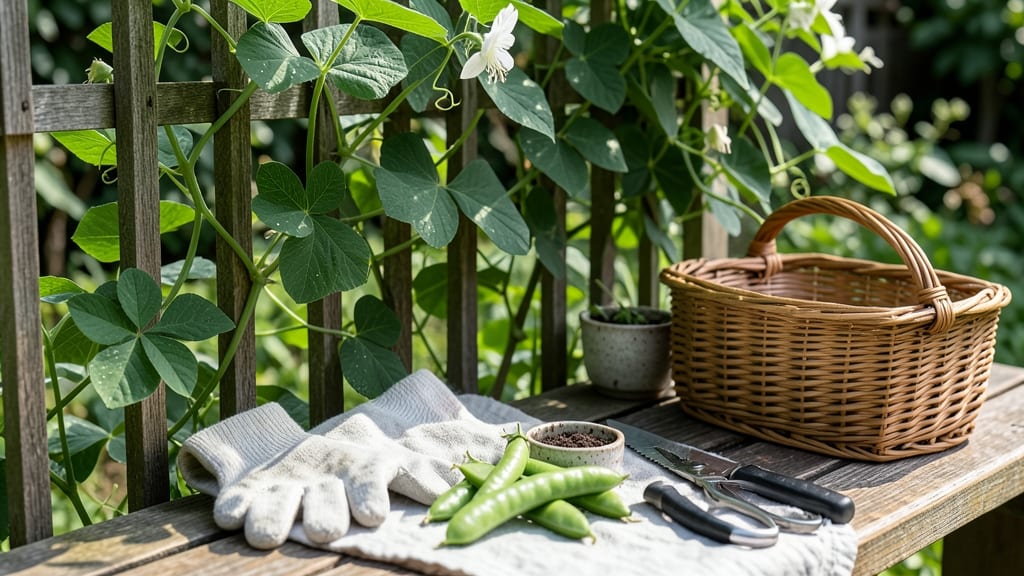
Harvest garden peas when pods are plump, bright green, and snap easily with a slight bend—this pod-snap test is your secret to peak sweetness and crisp texture.
Picking too early means tiny, bland peas, while waiting too long turns them tough and mealy. I’ve learned the hard way that timing is everything—especially in Zone 6a, where late spring frosts can sneak up fast.
Below, I’ll show you how to spot the perfect pea, the best tools to use, and how to keep your plants producing for weeks. No guesswork, just crunchy, flavorful results every time.
Whether you’re growing shelling, snow, or snap peas, these tips will ensure your harvest stays fresh, abundant, and delicious all season long.

How to tell when garden peas are ready for harvest using the pod-snap test
Harvesting garden peas at the right moment transforms your garden into a flavor factory. Overripe peas lose their sweetness and crisp texture, while underripe pods stay tough and bland. The pod-snap test is my go-to method for pinpointing perfect maturity, and it only takes seconds to perform.
Whether you're growing sugar snaps, shelling peas, or snow peas, this simple technique ensures you never miss the window of peak deliciousness.
Timing matters because peas stop producing new flowers once they reach full maturity. If you wait too long, the pods toughen up, and the seeds inside become oversized. This not only affects taste but also reduces your plant's ability to produce more peas.
The good news? With the pod-snap test, you’ll know exactly when to harvest for that crunchy, sweet perfection—no guesswork required.
Before you begin, gather a few garden essentials: a pair of sharp scissors or pruners, a small bowl for your harvest, and a sunny day for optimal visibility.
The pod-snap test works best in the morning hours, when peas are hydrated from overnight dew and their natural sugars are at their peak. Grab a few pods from different parts of the plant to account for any variations in growth.
Look for pods that are 1-2 inches long and plump but not bulging. Shelling peas should feel smooth and slightly rounded, while snap peas should be flat and crisp. If pods are smaller than a golf ball, they’re not ready yet.
Ready-to-harvest pods should be a vibrant green color. Avoid pods that are yellowing or pale, as this indicates overmaturity. For snow peas, the pods should remain light green and tender.
Gently bend a pod slightly near its middle. If it snaps cleanly with a slight crack, it’s ready to harvest. If it bends without snapping or feels rubbery, it’s underripe. If it breaks easily and the seeds are large, it’s overripe.
For shelling peas, open a pod and check if the seeds are pea-sized but not filling the pod. If the seeds are crowded or oversized, the pod has passed its prime. For snap peas, the seeds should be tiny and barely visible.
Use clean scissors or pruners to cut the stem just above the pod. This encourages the plant to produce more peas and prevents disease from spreading. Avoid pulling pods, as this can damage the plant.
Why does the pod-snap test work so well? It combines visual cues (size and color) with a physical test (the snap) to give you a complete picture of maturity. Overripe peas often feel mealy or hollow inside, while underripe ones stay tough and fibrous.
By mastering this test, you’ll ensure your peas are harvested at their peak flavor and texture, making every bite worth the effort.
Regional climate plays a role in harvest timing too. In cooler zones like Zone 6a, peas mature faster in spring, while warmer climates may see a slower growth rate. Always adjust your expectations based on your local last frost date and average temperatures.
For example, if your spring arrives early, your peas might be ready for harvest sooner than expected.
One common mistake gardeners make is waiting until the pods look fully mature before harvesting. By then, the peas have already lost their sweetness and become starchy.
Instead, focus on harvesting frequently—every 2-3 days—to encourage continuous production. This also prevents the plant from becoming overburdened, which can reduce overall yield.
Pro tip: Store harvested peas in the fridge for up to 5 days to preserve their freshness. For long-term storage, blanch and freeze them. But remember, the best peas are always the ones fresh from the garden, picked at the perfect moment using the pod-snap test.
Your taste buds—and your plants—will thank you!
🌱
Best practices for harvesting garden peas to maximize yield and flavor
Harvesting garden peas at the right time ensures sweet, tender pods with maximum flavor. The key is consistency—peas produce best when picked every 2-3 days during their peak season. Overlooking this schedule means tough, fibrous pods and fewer new flowers to replace them.
I’ve found that morning harvests work best, as the pods are crispest after a cool night.
Use the right tools to make harvesting easier and faster. A small hand pruner or even your fingers work well for snapping pods cleanly at the stem. Avoid pulling plants, which can damage the vines.
I keep a large bowl or mesh bag nearby to collect peas immediately—this prevents bruising and keeps them fresh for longer.
⚠️ callout warning ⚠️
⚠️ Avoid These Harvest Mistakes
❌ Overripe pods: Waiting too long turns peas mealy and tough. Harvest when pods are 1-2 inches long and bright green.
❌ Skipping frequency: Picking every 2-3 days encourages more production. Neglecting this leads to stunted growth and fewer pods.
❌ Rough handling: Dropping or crushing pods releases enzymes that make them bitter and stringy. Handle gently and store in the fridge immediately.
For continuous harvests, focus on regular picking and proper plant care. Pea plants thrive with consistent moisture and supportive trellises to keep pods off the ground.
I’ve noticed that dwarf varieties like 'Sugar Sprint' produce for 3-4 weeks if harvested diligently, while taller varieties like 'Wando' can extend this to 5-6 weeks.
Store harvested peas in the crisper drawer of your fridge for up to 5 days to maintain freshness. For longer storage, blanch and freeze them—this preserves their bright green color and sweetness.
I always wash peas briefly before storing to remove dirt, but avoid soaking them, which can make them mushy and waterlogged.
Watch for signs that harvesting season is ending. When pods turn yellow or brown and the peas inside look oversized, it’s time to stop picking. At this stage, the plant shifts energy to seed production, and the pods become woody and inedible.
I pull up my pea plants once they’ve finished producing to make room for fall crops.
With these practices, you’ll enjoy a bountiful, flavorful harvest that keeps your kitchen stocked with fresh peas all season. The secret is attention to detail—timing, tools, and tenderness make all the difference! 🌱