
How To
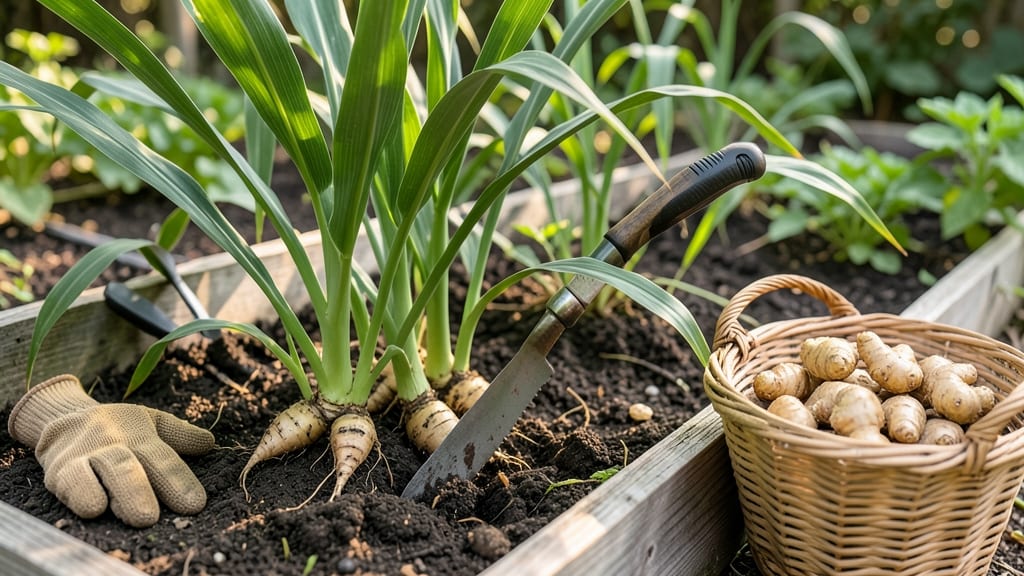
Harvesting ginger at the right time means the difference between bold, flavorful rhizomes and tough, fibrous scraps—so timing is everything.
Picture this: you’ve nurtured your 🌿 ginger for nearly a year, and now the leaves are turning yellow, curling at the edges like a page in an old book. That’s your cue—but wait, is it too late?
Or just right? The answer lies in three simple finger-press tests that reveal whether your harvest is ready to cure or still needs time in the ground.
In Zone 6, where most gardeners grow ginger, the ideal window falls between October and November, just as the first frost whispers its arrival. But climate isn’t the only factor—variety, soil, and even rainfall play a role.
Below, I’ll walk you through the visual and tactile clues to harvest ginger at peak potency, plus how to store it so it stays fresh for months.
Ready to turn your garden’s hard work into a pantry staple? Let’s dive into the exact signs your ginger is begging to be dug up—and how to handle it once it’s out of the soil.

How to use the 3 finger-press tests to determine ginger harvest readiness
Harvesting ginger at the right time ensures maximum yield and longer storage life. Unlike many crops, ginger doesn’t have a single "harvest window"—it’s all about root firmness, leaf condition, and shoot thickness.
These three finger-press tests will help you decide when your rhizomes are ready to pull from the soil.
Ginger rhizomes take 10-12 months to mature, so patience is key. Waiting too long can lead to shriveled roots, while harvesting too early means small, underdeveloped rhizomes. The finger-press method gives you a tactile, visual, and structural way to assess readiness without guesswork.
Before diving into the tests, know this: healthy ginger rhizomes should feel firm but yielding, not rock-hard or mushy. The tests below break down the three key indicators to check in just seconds per plant.
Step-by-Step Finger-Press Tests for Ginger Harvest Readiness
-
Test 1: Root Firmness Press
Gently press your fingertip into the rhizome skin. If it doesn’t dent easily and feels slightly resistant, the rhizome is ready. For underripe ginger, your nail will pierce the skin effortlessly. -
Test 2: Leaf Color Check
Examine the older leaves at the base. If 50%+ are yellowing or brown and crispy, it’s time to harvest. Vibrant green leaves mean the plant is still actively growing. -
Test 3: Shoot Thickness Gauge
Measure the thickness of new shoots emerging from the rhizome. If they’re pencil-sized (0.5 inches) or thicker, the rhizome has stored enough energy for harvest. Thin shoots indicate immature roots.
🌱 Pro Tip: Combine all three tests for the most accurate reading.
Let’s break down each test in more detail. For the root firmness press, imagine pressing a ripe avocado—it gives slightly but doesn’t crush. Overripe ginger will feel leathery and underripe ginger will feel soft, almost squishy.
The leaf color check is often overlooked, but it’s a clear visual cue. Ginger plants naturally yellow from the bottom up as they prepare for dormancy. If you see brown, papery leaves at the base, that’s your signal to act quickly before the rhizomes reabsorb nutrients.
For the shoot thickness gauge, focus on the newest growth near the rhizome. Thick shoots mean the plant has allocated energy to root storage, while thin shoots suggest it’s still focusing on leaf growth.
This test is especially useful in temperate climates where growth slows in cooler months.
Timing matters too. In USDA Zone 6-9, most gardeners harvest ginger in late fall (October-November), just before the first frost. In tropical climates, you can harvest year-round, but the finger-press tests still apply.
One common mistake is harvesting based solely on plant age. While ginger typically takes 10-12 months to mature, environmental factors like soil fertility, water availability, and sunlight exposure can speed up or delay readiness. Always verify with the tests.
If you’re growing ginger in containers, the rhizomes may mature slightly faster due to limited root space. In this case, monitor the tests every 2-3 weeks starting at the 9-month mark to avoid missing the window.
Once you’ve confirmed readiness, harvest ginger on a dry, sunny day. Use a fork or trowel to gently loosen the soil and lift the rhizomes. Shake off excess dirt, then cure them in a dry, shaded area for 1-2 weeks before storage.
Remember, the goal is flavorful, well-developed rhizomes that store for months. By mastering these three tests, you’ll never second-guess harvest time again. Happy digging! 🌿
Best harvest times by ginger variety and climate conditions
Timing your ginger harvest depends on both the variety you're growing and your local climate conditions. Tropical varieties like common ginger (Zingiber officinale) thrive year-round in warm climates, while temperate zones require careful seasonal planning. Understanding these factors ensures you harvest at peak flavor and storage potential.
In tropical climates (Zones 10-12), ginger can be harvested year-round, though spring and fall often yield the largest rhizomes. For temperate zones (Zones 6-9), timing is critical—harvest before the first frost to avoid damage.
Younger plants may produce smaller rhizomes, while mature plants (10-12 months old) deliver the best results.
| Variety | Climate Zone | Best Harvest Time | Plant Age | Key Cues |
|---|---|---|---|---|
| Common Ginger | Tropical (10-12) | Year-round, peak spring/fall | 10-12 months | Yellowing leaves, 2"+ rhizomes |
| Turmeric | Temperate (6-9) | October-November | 8-10 months | Dormant foliage, firm rhizomes |
| Galangal | Subtropical (9-11) | Late summer-early fall | 12+ months | Brown rhizome skin, 3"+ size |
| Wild Ginger | Temperate (5-8) | September-October | 2+ years | Leaves fully brown, small rhizomes |
For common ginger, tropical gardeners can harvest continuously, but fall harvests often produce the largest rhizomes. In temperate zones, aim to harvest 4-6 weeks before the first frost—this gives rhizomes time to mature while avoiding cold damage.
Younger plants (under 10 months) will yield smaller harvests, so plan accordingly.
Turmeric thrives in cooler temperate climates and should be harvested in late fall when leaves turn yellow. Galangal, a subtropically adapted variety, prefers warmth and humidity—harvest in late summer when rhizomes reach 3 inches in diameter. Wild ginger, slower-growing, benefits from a two-year growth cycle before harvesting.
Always prioritize rhizome size and skin thickness over calendar dates. A firm, thick-skinned rhizome that resists a fingernail press is always ready, regardless of the season. Store harvested ginger in a cool, dry place to preserve flavor and extend shelf life.