
How To
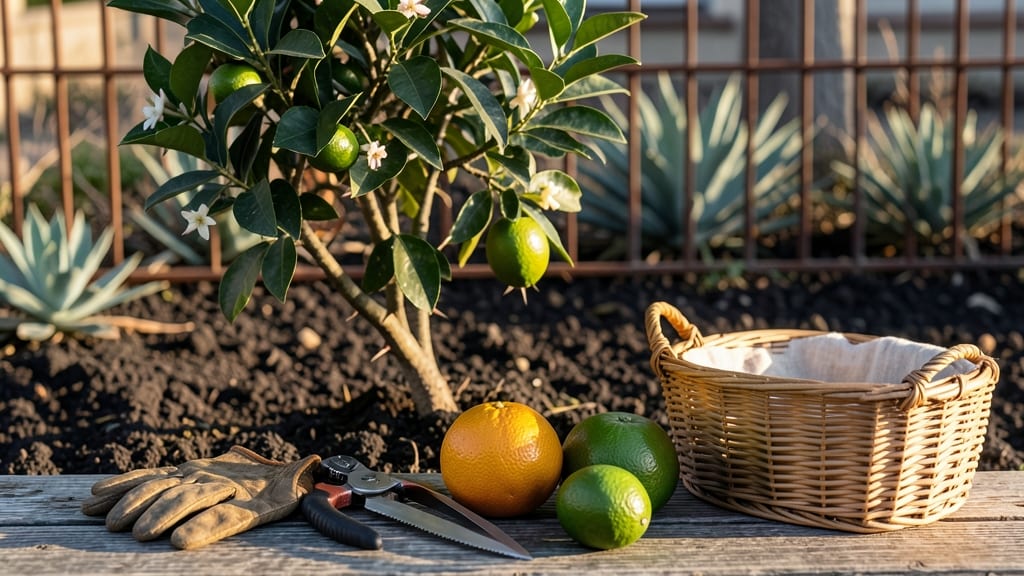
Harvesting grapefruit at the right time means the difference between a tart, seedy mess and a sweet, juicy treasure—so how do you know when they’re truly ready?
Picture this: you’ve nurtured your 🍊 grapefruit tree through USDA Zone 9b’s long growing season, and now the fruit is hanging heavy on the branches. But is it ripe, or just overripe?
The answer lies in three simple checks: color, weight, and peel firmness. Skip these, and you might end up with fruit that’s either too sour or too soft.
Most grapefruit varieties ripen between September and November, but the exact moment depends on your tree’s age, sunlight, and watering habits. A ripe grapefruit should have a deep yellow or orange hue (depending on the variety), feel heavy for its size, and give just slightly when gently squeezed.
If it’s still green or feels hard, it needs more time on the tree.
Below, I’ll walk you through the exact steps to test ripeness—plus, how to avoid common mistakes that lead to early or late harvests. By the end, you’ll know exactly when to pluck your grapefruit for the perfect balance of sweetness and tang.

How to tell when grapefruit are ripe using color, weight & peel tests
Grapefruit ripeness is easy to miss—especially for first-time growers—because they don’t ripen further after picking like bananas. Instead, they reach peak flavor and texture only on the tree. The key? Combining three simple tests: color shifts, weight checks, and peel firmness.
I’ve learned the hard way that skipping even one test can mean a grapefruit that’s either too tart or overripe and mushy.
Start by examining the skin color. Most grapefruit varieties transition from solid green to yellow-orange when ripe. However, pink grapefruit (like ‘Ruby Red’) may stay slightly greenish-yellow with a pinkish blush. White grapefruit (like ‘White Marsh’) will turn a deeper yellow.
The color change isn’t always uniform—some spots may stay green, but at least 50% of the peel should show the mature hue. Ignoring this step often leads to underripe fruit that’s seedy and bitter.
| Variety | Color Indicator | Weight Benchmark | Peel Test |
|---|---|---|---|
| Pink (Ruby Red) | Yellow-orange with pink blush | 8-12 oz (feels heavy) | Gives slightly to pressure |
| White (White Marsh) | Deep yellow (no green) | 6-10 oz (dense feel) | Firm but not hard |
| All Varieties | Stem detaches cleanly | N/A | Aroma is sweet citrusy |
Next, pick up the grapefruit and assess its weight relative to size. A ripe grapefruit should feel surprisingly heavy for its size—almost like it’s too dense to be hollow. For example, a 6-inch grapefruit should weigh between 8-12 ounces.
If it feels light and hollow-sounding when tapped, it’s not ready. I once harvested a 10-ounce grapefruit that weighed only 5 ounces—it was half-seedy and watery. Use a kitchen scale if you’re unsure; precision matters!
The peel test is where many gardeners trip up. Gently press your thumb into the grapefruit’s skin—it should yield slightly (like pressing an avocado) but not feel mushy or dented. A ripe grapefruit’s peel is firm yet flexible. If the skin springs back immediately, it’s underripe.
If it stays indented, it’s overripe. Pro tip: Check the stem end first—it’s often the first to soften. Also, sniff the bloom end; ripe grapefruit smell intensely sweet and citrusy, not sour or fermented.
Timing your harvest matters too. In USDA Zone 9b (where grapefruit thrive), the main harvest window is September through November. However, pink varieties often ripen 2-3 weeks earlier than white ones.
If you’re in a cooler climate, like Zone 8, your window shrinks to late October—after the first frost risk passes. I’ve seen grapefruit drop prematurely if temps dip below 40°F, so monitor your local 10-day forecast.
One common mistake is assuming size alone determines ripeness. A grapefruit can be large but still green inside, or small but perfectly ripe. Always combine color, weight, and peel tests.
For example, I once harvested a 12-inch grapefruit that was still green—it turned out seedy and mealy. Conversely, a 5-inch grapefruit with yellow skin and a sweet aroma was juicy and sweet. Size is a secondary clue, not the primary one.
Harvesting at the right time also depends on your climate and variety. In hotter zones (10a+), grapefruit may ripen earlier due to accelerated growth. Meanwhile, cooler zones (8a-8b) might see fruit linger on the tree longer before ripening.
If you’re unsure, harvest a few test fruits and wait 1-2 weeks before picking the rest. This batch method ensures you don’t miss the sweet spot.
Finally, don’t forget the stem test. A ripe grapefruit’s stem should twist off easily with a slight tug—no tearing or resistance. If the stem breaks or pulls away with the fruit, it’s not ready.
This test is crucial because it confirms the fruit’s nutritional connection to the tree has fully developed. I’ve seen grapefruit drop naturally when fully ripe, so keep an eye on the tree’s lower branches for fallen fruit as a signal.
Once you’ve mastered these tests, you’ll never second-guess your grapefruit harvest again. The reward? Juicy, sweet fruit packed with flavor—no more sour surprises or
Common mistakes that make grapefruit harvest too early or too late
Even experienced gardeners sometimes misjudge when to harvest grapefruit, leading to fruit that's either too tart or overly soft. The biggest mistake? Relying solely on color changes—some varieties stay green longer, while others turn yellow prematurely.
I’ve seen grapefruit harvested too early because of this, resulting in a seedy, underripe mess that’s barely edible.
Another common error is assuming size equals ripeness. A grapefruit might reach its full size but still need weeks to develop proper sweetness. I once picked a grapefruit the size of a baseball, only to find it was hard and bitter inside. Always check ripeness beyond just dimensions.
Environmental factors also play a huge role. Hotter temperatures can speed up ripening, while cooler weather slows it down. If your grapefruit tree is in a microclimate with inconsistent sunlight, some fruit may ripen faster than others, making it tricky to time the harvest perfectly.
🚨
- Too Early: Skin stays green, fruit feels hard, stem won’t separate easily.
- Perfect: Skin turns yellow/orange, fruit is firm but yields slightly, stem twists off cleanly.
- Too Late: Skin softens, fruit smells fermented, peel may wrinkle.
Overripe grapefruit is just as problematic as underripe. If you wait too long, the fruit becomes mushy and overly sweet, losing its signature tang. I’ve noticed this most in pink grapefruit varieties, which can turn mushy faster than white grapefruit.
Always harvest a few days before you think they’re ready to test flavor.
Watch for pest damage or disease spots on the peel, which can mimic ripening. A grapefruit with brown patches or a sticky residue isn’t ripe—it’s stressed or infected. I’ve had to discard entire harvests because I ignored these warning signs, assuming they were just part of the ripening process.
Finally, don’t ignore the tree’s natural cycle. Grapefruit trees in cooler climates (like Zone 9b edges) may need a few extra weeks to ripen fully. If your tree is young or newly planted, expect the first harvest to be smaller and less flavorful—patience is key!
By avoiding these mistakes, you’ll harvest grapefruit at their peak—sweet, juicy, and perfect for juicing, eating, or gifting. The secret? Combine visual checks with physical tests and trust your tree’s natural timing. 🌱