
How To
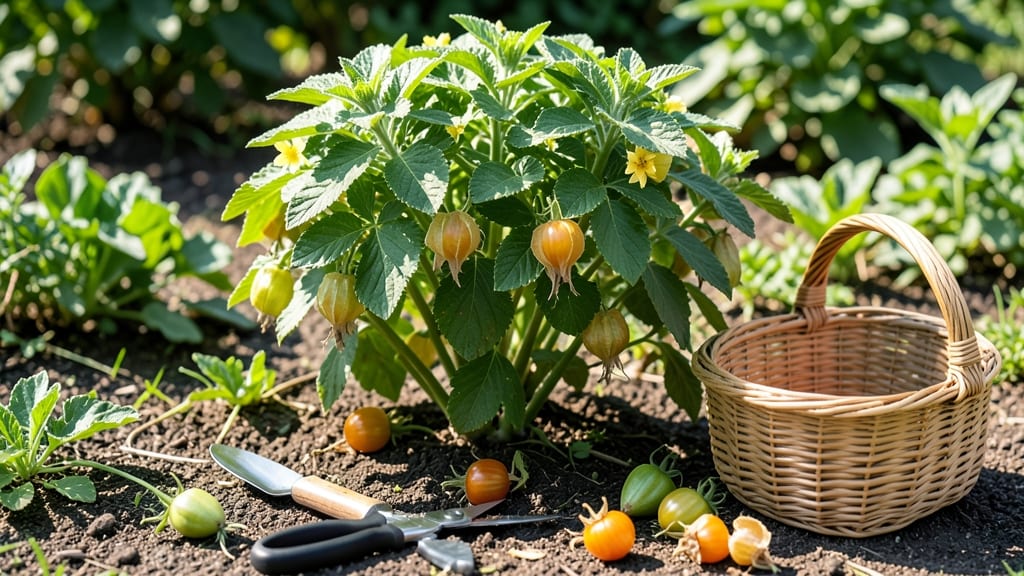
Harvesting ground cherries 🍒 at the right moment means the difference between a sweet, juicy burst and a bland, mealy disappointment.
Ground cherries—those golden, tomato-like fruits with a tangy-sweet flavor—can vanish overnight if left too long on the vine. Knowing the exact moment to harvest ensures you enjoy their delicate taste and juicy texture before they turn mealy or burst open.
Most varieties ripen between 75 and 90 days after planting, but the real test is the 2-finger squeeze: firm yet slightly soft, with a papery husk. Too early, and they’re tart; too late, and they split or lose flavor.
In this guide, I’ll walk you through the visual and tactile cues, how climate affects timing, and how to store your harvest so it stays fresh for weeks. No guesswork—just perfect, ready-to-eat ground cherries.

The 2-Finger squeeze test: how to tell when ground cherries are perfectly ripe
Ground cherries (Physalis pruinosa and related species) ripen faster than you might expect—sometimes in just 7-10 days once they change color.
The key to nailing the perfect harvest is combining visual cues with the 2-finger squeeze test, a tactile method that prevents overripe fruit from splitting open or becoming seedy.
I’ve used this technique for years, and it’s saved me from bitter, mealy ground cherries that lose their signature tangy-sweet flavor.
Start by examining the fruit’s color. When ground cherries are ready, they’ll shift from green to golden-yellow (or orange/purple, depending on the variety). The husk—that papery, lantern-like covering—will also turn from green to dry and crisp.
But color alone isn’t enough; you need to test firmness to avoid underripe or overripe fruit. That’s where the squeeze test comes in.
-
Step 1: Locate a ripe-looking fruit
Pick a ground cherry that’s golden-yellow (or the correct color for your variety) and has a dry, papery husk. Avoid fruits still clinging to green husks or those with soft spots.
-
Step 2: Gently pinch the fruit
Use your thumb and index finger to apply light pressure on the fruit’s side. Imagine you’re squeezing a ripe tomato—just enough to feel resistance, not enough to bruise it.
-
Step 3: Assess firmness
The fruit should yield slightly but still feel firm to the touch. If it feels rock-hard, it’s underripe. If it squishes easily or leaves an indent, it’s overripe and may split or become seedy.
-
Step 4: Check for seeds
If the fruit feels too soft, cut it open to inspect the seeds. Overripe ground cherries often have large, dark seeds and a watery interior. Perfectly ripe ones have small, pale seeds and a jelly-like texture.
-
Step 5: Harvest at the right time
Pick the fruit gently by the stem, leaving the husk intact. This protects the fruit from bruising and extends its shelf life. Harvest in the morning when temperatures are cooler to preserve freshness.
Timing is everything with ground cherries. In hot climates (USDA zones 8-10), they ripen in 60-75 days after flowering, while in cooler zones (6-7), they may take 75-90 days.
I’ve found that July and August are peak harvest months in most regions, but watch for color changes rather than relying on a calendar.
One common mistake I see is waiting too long for the husk to fully dry. While a dry husk is a good sign, don’t harvest if the fruit inside is shriveled or splitting.
Ground cherries are highly perishable—they can go from perfect to inedible in 24-48 hours once ripe. If you’re unsure, harvest a few fruits and taste-test them. The flavor should be tangy, sweet, and slightly tart—not bland or overly acidic.
Pro tip: Harvest every 2-3 days during peak season to avoid overripe fruit. Ground cherries ripen all at once, so check your plants daily once they start changing color.
I like to lay a tarp under the plants before harvesting to make cleanup easier—those husks can fly everywhere when you shake the vines!
If you miss the harvest window, don’t despair. Ground cherries can be stored at room temperature for 3-5 days in a paper bag (like apples) to release ethylene gas and slow ripening. For longer storage, refrigerate them in a single layer for up to 2 weeks.
But honestly? They’re best eaten fresh, straight from the vine, when they’re at their peak flavor and texture.
Remember, the 2-finger squeeze test is your best friend. It’s quick, reliable, and doesn’t require any special tools—just your hands and a little practice. Once you master it, you’ll never again let a ground cherry go to waste. Happy harvesting!
Ground cherry ripeness by variety: timing differences for yellow, orange, and purple types
Not all ground cherries ripen at the same time, and their color and maturity vary dramatically by variety. The Golden Gem turns golden-yellow first, while Pineapple varieties develop a peachy-orange hue.
Meanwhile, Jelly Bean types stay purple until fully ripe. Understanding these differences ensures you harvest at peak flavor and texture.
Climate also plays a huge role—hot summers accelerate ripening, while cool coastal climates slow it down. In USDA Zone 7 or warmer, expect harvests as early as late July, but in Zone 5 or cooler, wait until mid-August or later.
Always check the husk's papery texture and use the 2-finger squeeze test for accuracy.
| Variety | Color at Ripeness | Days to Ripen | Climate Note | Harvest Window |
|---|---|---|---|---|
| Golden Gem | Golden-yellow | 70-75 days | Fastest in heat | Late July-August |
| Pineapple | Peachy-orange | 75-80 days | Slower in shade | Mid-August-Sept |
| Jelly Bean | Deep purple | 80-85 days | Best in cool nights | Late August-Oct |
For Golden Gem varieties, watch for the husk to turn completely papery and the fruit to slightly yield under gentle pressure. These ripen 2-3 weeks earlier than purple types, so check weekly once flowers fade. In hot climates, they may even ripen in 65 days instead of 75.
Orange Pineapple ground cherries develop a slightly waxy sheen when ripe, signaling their tangy-sweet flavor peak. They thrive in moderate heat but struggle in extreme humidity, which can cause rot before ripening.
If your summer is dry and sunny, harvest these by late August to avoid splitting.
Jelly Bean varieties stay green longest and retain their purple hue until fully ripe. Their thick skins protect them from cracking, making them ideal for cooler regions. Wait until the husk crinkles easily and the fruit feels plump but soft—this usually happens in late September in most climates.
Pro tip: Harvest in the morning when fruits are coolest and firmest. Store them at room temperature for 3-5 days or refrigerate to extend freshness. If left on the vine too long, all varieties burst open, releasing seeds and losing flavor.