
How To
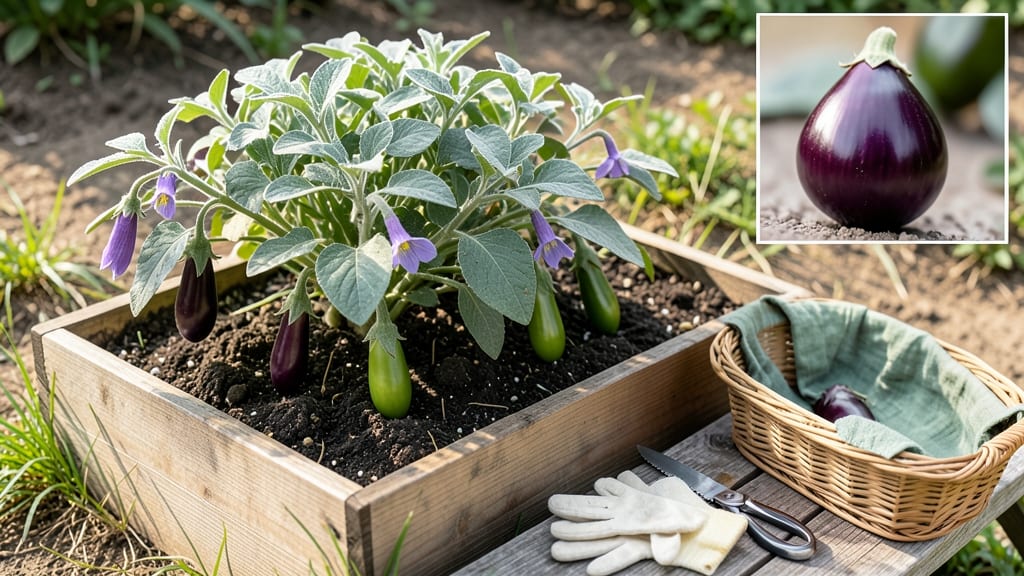
Harvesting Japanese eggplant 🍆 at the right time means the difference between a tender, sweet bite and a mealy, overripe mess—so timing matters more than you might think.
Picture this: you’ve nurtured your plants all season, and now the moment arrives. But how do you know when those glossy purple fruits are actually ready? Too soon, and you’ll miss peak flavor; too late, and the skin toughens like a board.
The secret lies in three simple cues: size, color, and a little-known trick with the stem.
Most gardeners wait until the eggplants reach 6-8 inches and turn deep purple or black, but that’s just the start. The real test? Gently twisting the fruit—if the stem snaps cleanly (not pulls away), it’s harvest-ready.
Skip this step, and you might end up with eggplants that lack the rich, jammy texture chefs love.
Below, I’ll walk you through the exact visual and tactile signs to harvest at the perfect moment, plus how to handle them post-pick for maximum shelf life. No more guesswork—just restaurant-quality results from your garden.
Visual and tactile signs Japanese eggplant is ready to harvest
Japanese eggplant thrives when harvested at the perfect moment—too soon and you’ll get bland, seedy fruit, too late and the skin toughens. The key lies in combining visual cues with tactile tests to ensure peak flavor and texture.
I’ve grown these delicate plants for years and learned that color intensity, size consistency, and skin firmness are non-negotiable indicators.
Start by observing the eggplant’s color. Mature Japanese eggplants develop a deep, glossy purple-black hue, not the pale green of immature fruit. The skin should also feel smooth and taut—any wrinkling or soft spots mean it’s overripe.
I always check these three primary indicators before making my final decision.
Here’s what to look for when your Japanese eggplants are ready for harvest:
| Sign | Description | What It Means |
|---|---|---|
| Color | Deep purple-black | Fully mature and flavorful |
| Size | 6-8 inches long | Reached ideal eating size |
| Skin Firmness | Firm and glossy | Peak texture and tenderness |
| Stem Snap Test | Clean break near stem | Ready for immediate harvest |
One of my biggest mistakes early on was harvesting based on size alone. I’d pull eggplants at 5 inches, thinking they needed more time, only to discover they were still seedy and underdeveloped.
Now, I wait for all three signs—color, size, and firmness—to align before harvesting. This ensures the richest flavor and tenderest texture.
The stem snap test is my favorite trick for confirming readiness. Simply grasp the eggplant near the stem and give it a gentle twist. If it snaps cleanly with just a slight resistance, it’s ready to pick.
A stubborn stem means it needs more time, while a mushy break signals overripeness. I’ve found this test especially useful in hot climates where ripening happens quickly.
Don’t overlook the skin’s glossiness—this indicates proper hydration and maturity. Dull or wrinkled skin means the eggplant is stressed or overripe. I always harvest on cool mornings to preserve this freshness, as afternoon heat can cause the skin to lose its sheen.
For container growers, check the skin daily since urban environments often accelerate ripening.
Premature harvesting is just as problematic as waiting too long. Eggplants left on the vine past their prime develop bitter notes and fibrous flesh. I’ve had to compost entire batches because I ignored the wrinkled skin warning sign.
Always prioritize visual and tactile checks over calendar-based harvesting—your plants will thank you with better yields.
For culinary flexibility, you can harvest Japanese eggplants slightly earlier (around 5 inches) if you plan to use them for tempura or stir-fries. However, these will lack the deep flavor of fully mature specimens.
I recommend saving the smaller, immature fruit for quick-cooking dishes where tenderness matters more than complexity.
Seasonal variations also play a role. In cooler climates, Japanese eggplants may take longer to ripen, while hot summers can accelerate the process. Pay attention to your local frost dates—if your first frost is approaching, harvest even if the eggplants aren’t perfect.
They’ll still be delicious, just slightly less sweet than peak-season specimens.
Once you’ve confirmed all signs of readiness, use a sharp knife or pruners to avoid damaging the plant. Leave a small portion of the stem attached to extend shelf life. Store harvested eggplants in a cool, dark place for up to a week, or refrigerate for longer storage.
Proper timing at harvest means you’ll enjoy restaurant-quality eggplants straight from your garden.
How to test Japanese eggplant ripeness: the 3 key methods
Harvesting Japanese eggplant at the perfect moment transforms its delicate flavor from bland to restaurant-quality rich. Unlike its larger Western cousins, these slender fruits mature quickly—often in just 75 days—so timing matters.
The three foolproof methods below ensure you never miss peak ripeness or overlook immature fruits perfect for tempura.
First, focus on the color transformation from pale green to deep purple-black. This isn't just about aesthetics—it signals the sweetness peak. Next, measure size: aim for 6-8 inches long, though smaller specimens (4-5 inches) work beautifully for specialty dishes.
Finally, the stem snap test reveals hidden toughness before it becomes visible.
🌱 When to Harvest Japanese Eggplant
For tempura-style eggplants, harvest when they reach 4-5 inches—their tender flesh holds up beautifully when fried. The color won't be fully deep purple at this stage, but the skin should still be firm and glossy. This early harvest preserves the crisp texture tempura craves while maintaining mild sweetness.
If you wait too long, the skin toughens and the flesh becomes fibrous and seedy. Look for these warning signs: wrinkled skin, dull color, or stems that resist snapping.
These indicate overripeness. Japanese eggplants store best at room temperature for 3-5 days or refrigerated for up to 10 days—though their peak flavor fades after 3 days out of the garden.
My personal trick? Use a small ruler in your garden to track growth daily during the last week. This prevents guesswork and ensures you catch that sweet spot between 6-8 inches. For container growers, harvest slightly earlier (5-6 inches) since space constraints can accelerate ripening.
Remember: Japanese eggplants continue ripening off the vine but lose flavor quickly. Prioritize the stem snap test over color alone—it's the most reliable indicator of internal tenderness. With these methods, you'll enjoy eggplants that taste like they just left a Tokyo market stall.