
How To
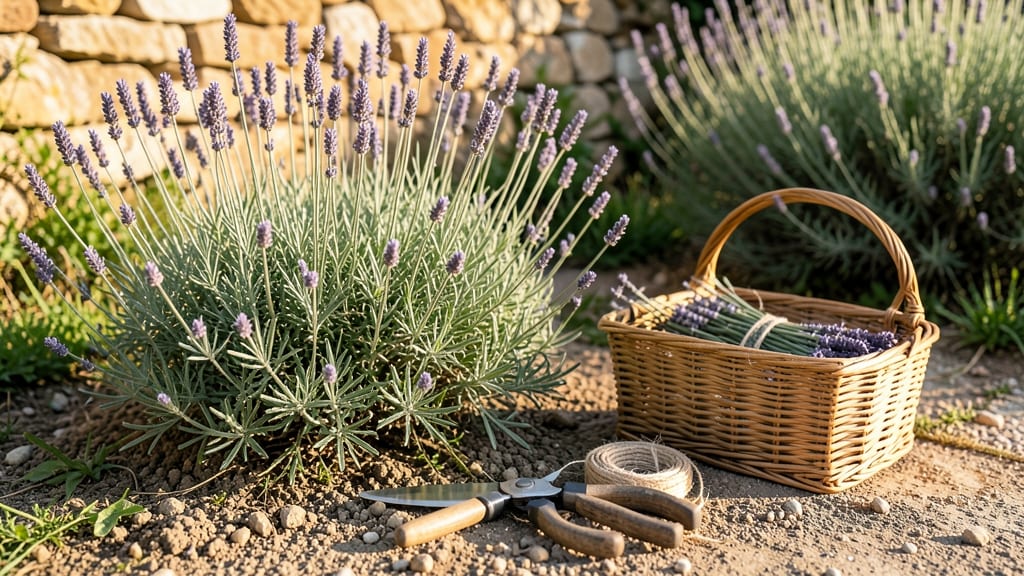
Harvest lavender for drying when buds are just beginning to open but before they fully bloom, ensuring the strongest fragrance and color retention.
Timing your lavender harvest just right transforms fluffy purple blooms into fragrant bundles that last for years—but get it wrong, and you’ll end up with weak stems or bitter oil. Here’s exactly when to pick lavender for drying to preserve its signature scent and color.
Look for buds that are swollen and starting to show color, a sign they’re packed with essential oils. Cutting too early means underdeveloped fragrance, while waiting too long risks wilting flowers that lose their vibrant hue.
In USDA Zone 6a, aim for mid-to-late summer harvests, ideally on sunny mornings after dew has evaporated. This guide covers regional timing, visual cues, and pro tips to maximize your lavender’s drying potential.

The perfect harvest window: buds just before full bloom
Harvesting lavender at the right stage ensures maximum essential oils and vibrant purple hues that last for years. The ideal harvest window occurs when 70-80% of buds are open but still tightly closed—just before full bloom.
This stage locks in fragrance intensity and prevents bitter oil development, which happens when flowers fully open.
Science explains why timing matters: essential oils peak in buds as they swell, but evaporate quickly once flowers fully unfold. Harvesting too early means underdeveloped oils, while waiting too long leads to dull colors and weak stems. The perfect balance captures both aroma and color for drying.
Visual cues make this stage easy to spot. Look for deep purple or lavender buds that are swollen but unopened, with only a few petals peeking out. The stems should feel woody and firm—not soft or bendy. Crush a bud between your fingers: if it releases a strong, sweet scent, it’s ready.
| Stage | Bud Appearance | Stem Condition | Scent Test | Harvest Ready? |
|---|---|---|---|---|
| Too Early | Tightly closed, green buds | Soft, flexible stems | Weak or no fragrance | ❌ No |
| Perfect Window | 70-80% open, deep purple | Woody, firm stems | Strong, sweet scent | ✅ Yes |
| Too Late | Fully open, wilting buds | Brittle, weak stems | Bitter or fading scent | ❌ No |
Harvesting at this stage also preserves color during drying. Fully open flowers lose pigment quickly and turn brownish, while bud-stage lavender retains its signature hue. For English lavender or Grosso varieties, aim for mid-to-late summer harvests, but always prioritize bud development over calendar dates.
Weather plays a crucial role too. Harvest on dry, sunny mornings after dew has evaporated but before midday heat sets in. Avoid rain-soaked flowers, which dilute oils and encourage mold. If rain is forecasted, harvest 24-48 hours ahead to let stems dry slightly before bundling.
Cut stems just above a leaf node to encourage new growth and future harvests. Use clean, sharp shears to avoid crushing stems, which can damage oil glands. Bundle stems with rubber bands and hang upside down in a well-ventilated, dark space for 2-3 weeks to dry completely.
Pro tip: Harvest multiple times during the season. Lavender often reblooms if you cut back 1/3 of the plant after the first harvest. This extends your drying season and increases yield. Just remember—never harvest more than 1/3 of the plant at once to avoid stressing it.
Why does this timing work? Essential oils are most concentrated in buds, not fully open flowers. Harvesting at 70-80% bud openness captures the peak oil content while flowers still hold their vibrant color.
This is why dried lavender from buds smells far stronger than flowers picked at full bloom.
For white or silver lavender varieties, the same rules apply—but watch for color shifts. Buds should be creamy white or silvery with a slightly fuzzy texture. These varieties often harvest earlier than purple types, so check buds 1-2 weeks ahead of your usual schedule.
How to check lavender readiness: 3 key signs to harvest
Harvesting lavender at the perfect moment ensures maximum fragrance and vibrant color in your dried bundles. The key is catching those buds just before full bloom—when they’re swollen but haven’t yet opened completely.
This stage locks in the essential oils that give lavender its signature scent, while avoiding the bitter, resinous taste that develops as flowers mature.
Many gardeners make the mistake of harvesting too early (when buds are still green) or too late (when flowers are fully open). Both scenarios ruin the drying quality and fragrance. To avoid these pitfalls, focus on three visual and tactile cues that signal lavender is ready.
These signs work for all varieties, from English lavender to Spanish lavender, though timing may shift slightly based on your climate.
🌿 When to Harvest Lavender for Drying
- 🔹 Bud Size: Buds should be swollen and beginning to open—about 70-80% of the way to full bloom. Look for tiny purple tips peeking out of the green bracts.
- 🔹 Color Shift: The green bracts surrounding buds should turn deep purple or lavender. Avoid harvesting if buds are still fully green or completely open.
- 🔹 Stem Firmness: Stems should feel woody and firm when pinched. Soft or flexible stems mean the plant isn’t ready—wait 1-2 weeks for maturity.
- 🔹 Fragrance Test: Crush a few buds between your fingers. Ready lavender releases a strong, sweet aroma. Weak or no scent means it’s too early.
✂️ Pro Tip: Harvest on a dry, sunny morning after dew has evaporated to prevent mold during drying.
If you’re unsure whether your lavender is ready, compare it to these visual benchmarks: A fully ready bud cluster should resemble a half-opened flower, with petals just starting to unfurl.
For example, English lavender buds will look like tiny purple roses with green centers, while Spanish lavender buds will have a more compact, spiky appearance.
Harvesting too early—when buds are still tightly closed—results in weak stems that break easily during drying. This also means lower essential oil content, so your dried lavender will lack that rich, calming scent we all love.
On the flip side, harvesting too late—when flowers are fully open—leads to brittle stems and a bitter, medicinal taste in your dried bundles.
To extend your harvest season, cut stems just as new buds begin to form on the same branch. This encourages multiple flushes of blooms throughout the summer. Always use clean, sharp shears and cut stems at a 45-degree angle about 6 inches above the foliage to promote bushier growth.
After harvesting, bundle stems with rubber bands and hang them upside down in a dark, well-ventilated space for 2-3 weeks to dry.
Remember, the best time to harvest is consistency. Check your lavender plants every 3-5 days during peak bloom season (typically June-August in most US climates). With practice, you’ll develop an eye for spotting that sweet spot between green and fully open—where lavender’s magic happens. 🌷