
How To
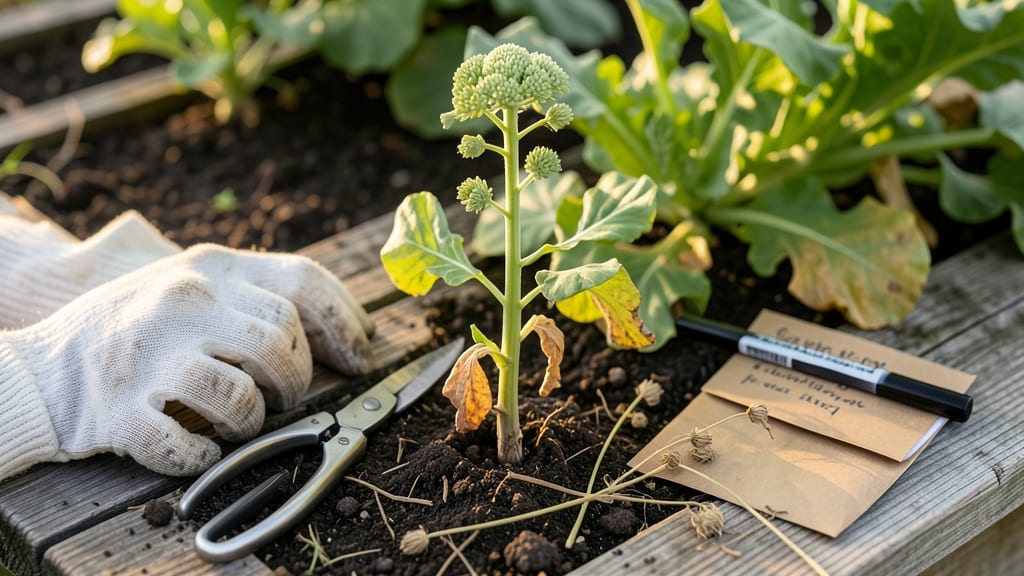
Harvesting lettuce seeds at the right time ensures strong viability for next year’s garden—miss the window, and you’re left with weak or scattered seeds.
Picture this: your 🥬 plants are thriving, but suddenly, those tall seed stalks shoot up, and the flower heads form. That’s your cue—wait too long, and the seeds scatter or lose potency. The key is catching them at peak maturity, when the pods are plump but before they split open.
Timing matters just as much as the visual cues. Late summer or early fall is ideal for biennial varieties in USDA Zone 6a, but the exact moment depends on flower color shifts and pod firmness.
Below, I’ll walk you through the three must-know signs to harvest at the perfect stage.
You’ll learn how to check seed stalk height, spot the right flower head color, and confirm pod readiness—so you can collect seeds that’ll grow into robust plants next season.

3 Visual cues to identify lettuce seed maturity for harvesting
Harvesting lettuce seeds at the right time ensures strong germination rates for next season’s crop. Miss the window, and you risk collecting seeds that won’t sprout—or worse, letting them scatter into the garden bed.
The key lies in three visual maturity cues that signal when your lettuce plants are ready to transition from leafy greens to seed producers.
First, let’s clarify: most lettuce varieties are annuals for leaf production but become biennials for seed development. This means they’ll bolt (send up a flower stalk) before producing seeds. Timing is critical—if you harvest too early, seeds won’t mature; too late, and they may shatter or lose viability.
Here’s how to spot the perfect moment.
I’ve grown lettuce for seeds for years, and these three visual cues have never failed me. They’re simple to observe but often overlooked by gardeners focused on leaf harvests. Let’s break them down step by step to ensure you don’t miss the optimal harvest window.
🌱 Numbered Highlights: 3 Visual Cues for Lettuce Seed Maturity
- 📏 Seed Stalk Height: 24–36 inches tall (or double the plant’s original height). The stalk should be woody and sturdy, not flimsy. If it’s still bending easily, wait 5–7 days.
- 🌼 Flower Head Color: Dry, papery yellow-brown (not green or white). Green flower heads mean seeds aren’t mature; fully dried heads signal readiness. Check the outermost blooms first—they mature earliest.
- 🌾 Seed Pod Development: Plump, rounded pods with visible seeds inside when split open. Squeeze gently—if seeds rattle inside, they’re ready. Avoid harvesting if pods feel soft or hollow.
Pro Tip: Harvest on a dry, sunny morning when humidity is low to prevent mold during drying.
Let’s start with the most obvious but often misunderstood cue: seed stalk height. Many gardeners assume lettuce seeds are ready when flowers appear, but the stalk must reach a specific height to ensure seed maturity.
For most varieties, this means the stalk should be at least 24 inches tall, often towering over your original plant. Measure it against a ruler or your hand—if it’s shorter than your forearm, wait another week.
I once harvested lettuce seeds from stalks that were only 18 inches tall, thinking they’d mature further. The result? Only 30% germination rate the following spring. The lesson? Height matters.
Wait until the stalk is woody and upright, not just tall but also structurally sound. This usually happens 4–6 weeks after bolting, depending on your climate.
The second cue focuses on flower head color changes, which is where many gardeners go wrong. Fresh lettuce flowers are bright yellow or white, but mature seed heads turn dry, papery, and yellow-brown.
This color shift indicates the seeds inside are fully developed. Check the outermost flowers first—they mature earliest. If they’re still green, the entire head needs more time.
Here’s a trick I use: Gently rub a flower head between your fingers. If it crumbles easily, it’s ready. If it resists, wait another 3–5 days. I’ve seen gardeners harvest seeds from half-mature flower heads and end up with seeds that either won’t sprout or sprout erratically.
Patience here pays off in stronger, more reliable seeds for next season.
The third and final cue is seed pod development, which requires a bit of hands-on inspection. Once the flower heads dry, small pods form along the stalk.
These pods should be plump and firm, not shriveled or hollow. Split one open carefully—you’ll see tiny black or brown seeds inside. If the pods feel soft or empty, they’re not ready yet. This is your final verification step before harvest.
I recommend harvesting seeds on a dry, sunny day when humidity is low. Cut the entire seed stalk with clean pruners, leaving a few inches of stem attached. Hang the stalks upside down in a well-ventilated, dry location (like a garage or shed) for 1–2 weeks to fully dry.
Once the pods are brittle and seeds rattle inside, you’re ready to collect them.
One common mistake is harvesting too late, which causes seeds to scatter before you can collect them.
If you notice seeds falling to the ground, act immediately—this is your garden’s way of telling you it’s past the prime harvest window. Time your harvest for when the pods are plump but before they start splitting open naturally.
By mastering these three visual cues, you’ll never again wonder whether your lettuce seeds are ready for harvest. The next time you see those tall, woody stalks with dried flower heads, you’ll know exactly when to act—and how to preserve those seeds for a bountiful next season.
Happy harvesting! 🌱
Best time of day and season for lettuce seed harvesting
Timing is everything when harvesting lettuce seeds—especially since these delicate seeds lose viability quickly if left too long on the plant. The best time of day to harvest is early morning after dew has evaporated but before temperatures rise.
This ensures seeds are dry enough to handle without losing moisture content, which can lead to mold or premature germination.
Seasonal timing varies by USDA climate zone. In cool climates (Zones 3-6), aim for late summer to early fall when days shorten and temperatures drop. In warmer zones (7-10), harvest in late spring or early summer before the heat causes seed heads to dry too quickly.
Weather plays a critical role—humidity above 60% can reduce seed longevity, while dry, sunny days create ideal drying conditions.
⚠️ CRITICAL: Never harvest after rain or when morning dew is still present. Wet seeds won’t dry properly, risking fungal growth and poor storage viability. Always prioritize dry, stable conditions for the best seed yield.
| Factor | Ideal Condition | Avoid |
|---|---|---|
| Time of Day | Early morning (6-9 AM) | Afternoon (post-noon heat) |
| Season (Zones 3-6) | Late August - September | Mid-summer heatwaves |
| Season (Zones 7-10) | April - early June | July - August humidity |
| Humidity Level | Below 50% | Above 60% |
| Weather Before Harvest | 3+ dry days | Recent rain |
For biennial lettuce varieties (like leaf lettuce or romaine), allow plants to bolt naturally—this triggers seed head formation. Once seed stalks reach 12-18 inches tall and flower heads turn yellow-brown, they’re ready.
Cut stalks at the base, then hang them upside-down in a dry, shaded area for 7-10 days to fully dry before removing seeds.
In hot climates, harvest seeds earlier in the season to avoid heat stress, which can cause premature drying or seed loss. Conversely, in cooler regions, extend harvest into early fall to maximize seed yield before the first frost.
Always monitor seed pod color—they should turn from green to tan or light brown before harvesting.
Pro tip: Label seed packets with the harvest date and storage conditions. Properly stored lettuce seeds remain viable for 2-3 years when kept in a cool, dry place (below 50°F). This ensures you’ll have fresh seeds ready for next year’s garden! 🌱