
How To
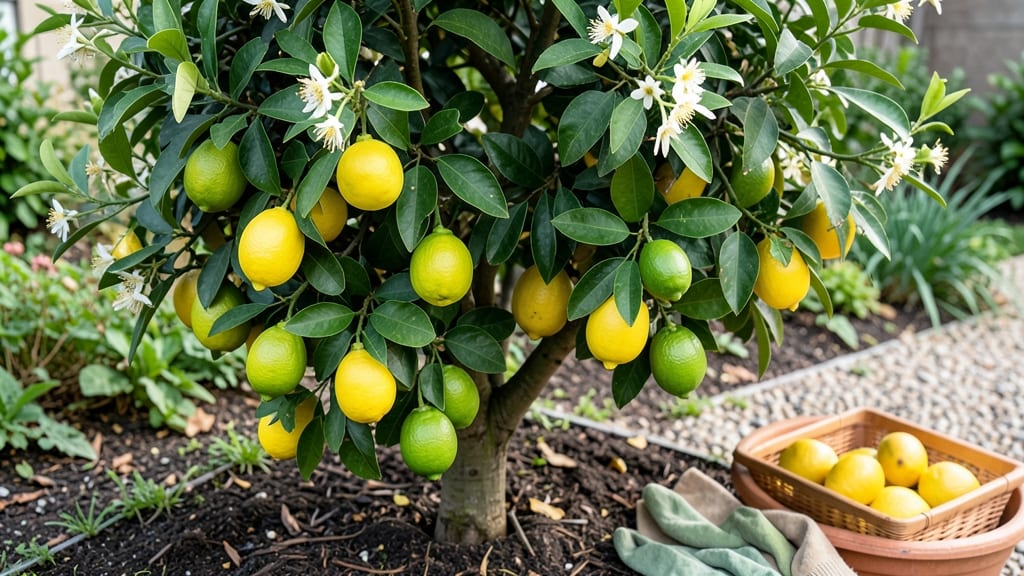
Harvesting Meyer lemons at the right time ensures sweet, juicy fruit 🍋 — and waiting too long means bitter, mealy disappointment.
Picture this: you’ve nurtured your Meyer Lemon tree for months, and now the fruit is changing color, but how do you know if it’s truly ready? The answer lies in the skin, the scent, and even how the lemon feels in your hand.
Skip these cues, and you might end up with fruit that’s either too tart or past its prime.
In warm climates like USDA Zone 9b, Meyer lemons can be harvested year-round, but the best flavor comes when they’re fully yellow with just a hint of green. A gentle twist should release the fruit easily, and a sniff of the peel should reveal a fragrant sweetness that’s unmistakable.
Below, I’ll break down the exact visual and sensory clues to watch for, plus tips on when to pick for maximum yield versus peak flavor—and how to store your harvest so it stays fresh longer.

How to identify the perfect Meyer lemon harvest time
Harvesting Meyer lemons at the right moment transforms a good fruit into an extraordinary one. Unlike conventional lemons, Meyer lemons ripen on the tree, meaning you can't just pick them green and wait.
The key lies in visual cues and sensory signals that tell you when they're ready. Ignoring these signs often leads to sour, underripe fruit or overly soft, mealy lemons.
Timing varies slightly by climate zone and tree maturity, but the core principles remain the same. In USDA Zone 9b (like Southern California or Florida), you can harvest year-round, but peak flavor occurs in late winter through early spring.
Cooler regions may need to wait until summer heat sets in. Let’s break down the exact signals to watch for.
| Harvest Cue | What to Look For | Action to Take |
|---|---|---|
| Color Change | Shift from green to yellow (may retain some green spots) | Wait until 75% yellow for best flavor |
| Skin Texture | Slightly soft when gently squeezed (not mushy) | Press with thumb pressure—should yield slightly |
| Aroma Test | Faint citrusy scent when peeled (not overpowering) | Sniff the peel—sweet, floral notes mean it’s ready |
| Detachment | Lemon twists off easily (no force needed) | Gently rotate and pull—should separate cleanly |
| Size Maturity | 2–3 inches in diameter (about the size of a golf ball) | Smaller lemons are underripe; larger ones may be overripe |
| Seasonal Timing | Late winter to early spring (Zone 9b); adjust for first frost in cooler zones | Harvest before first frost if in Zone 8 or lower |
The color shift is your first clue—Meyer lemons start green and gradually turn yellow, often with a few green patches remaining. Unlike conventional lemons, they don’t turn fully yellow, so don’t wait for uniform color.
Aim for 75% yellow for peak sweetness. If the lemon is still mostly green, it needs more time on the tree.
Next, test the skin texture. A ripe Meyer lemon should yield slightly when you press your thumb into it, but it shouldn’t feel mushy or squishy.
Overripe lemons collapse under pressure, while underripe ones feel rock-hard. This tactile check is crucial, especially in hot climates where fruit can ripen quickly and oversoften.
Don’t forget the aroma test. A ripe Meyer lemon emits a subtle, sweet citrus scent when you peel a tiny bit of the skin. If it smells dull or sour, it’s not ready.
This sensory cue is often overlooked but is one of the most reliable indicators. Pro tip: Morning harvests are best—lemons are coolest and most fragrant after the night air.
Regional variations play a role in timing. In Zone 9b, you can harvest year-round, but the sweetest lemons appear in February and March. Gardeners in Zone 8 or cooler should harvest by October to avoid frost damage.
If you’re in a container, bring potted trees indoors before the first frost to extend the harvest season.
One common mistake is harvesting based on size alone. While Meyer lemons typically reach 2–3 inches in diameter at maturity, some varieties stay smaller. Focus on the color and texture combo instead. For example, a dwarf Meyer lemon might be ready at 1.5 inches if it’s yellow and fragrant.
Finally, consider the purpose of your harvest. If you’re making lemon curd or infused oils, slightly underripe lemons work fine—they’re more acidic. But for fresh eating or juicing, wait until they’re fully ripe for that signature sweet-tart balance.
Store unripe lemons at room temperature to ripen; ripe ones last longer in the fridge.
With these cues in mind, you’ll never miss the perfect moment to harvest your Meyer lemons. The reward? Juicy, fragrant fruit that tastes like sunshine in every sip. Happy harvesting! 🍋🌱
Meyer lemon harvest mistakes to avoid (and how to fix them)
Harvesting your Meyer lemons at the wrong time can turn sweet, juicy fruit into bitter, underripe disappointments. I’ve seen gardeners rush the process or ignore subtle ripeness cues—both mistakes lead to wasted effort.
The key is knowing when to pick for peak flavor while avoiding common pitfalls that ruin the harvest.
One of the biggest errors is harvesting too early, often because the fruit looks mostly yellow but still feels hard. These underripe lemons lack sweetness and can be overly acidic. On the flip side, leaving them too long on the tree risks overripeness, which dulls flavor and attracts pests.
Balancing these factors ensures your Meyer lemon harvest delivers that perfect sweet-tart balance.
⚠️ Harvest Warning: Timing Is Critical!
Don’t harvest Meyer lemons based on color alone. A fully yellow skin is a good sign, but the fruit must also yield slightly to gentle pressure and smell fragrant when peeled. Ignoring these cues leads to off-flavor fruit or wasted labor.
Another common mistake is over-picking all ripe fruit at once. While it’s tempting to harvest everything when it looks ready, this can stress the tree and reduce future yields.
Instead, pick only the ripest lemons every few days. This method encourages continuous fruiting and keeps your tree productive throughout the season.
If your Meyer lemons taste overly bitter or sour, it’s likely a sign of underripeness. To fix this, leave them on the tree for another 1–2 weeks and check daily for improved color and softness.
For lemons that feel mushy or develop brown spots, they’ve overripe. These should be used immediately for lemon curd or infused oils before they spoil.
Pests like aphids or citrus leaf miners can also ruin your harvest by damaging the fruit. If you notice sticky residue or holes in the skin, isolate affected lemons and treat the tree with neem oil or insecticidal soap. Early intervention prevents widespread damage and saves your remaining crop.
Finally, avoid harvesting during peak heat (midday sun). The fruit’s oil glands can get damaged, leading to a bitter taste. Always pick in the early morning when temperatures are cooler. Twist gently to avoid tearing the stem—this helps the fruit heal faster and reduces disease risk.
By avoiding these harvest mistakes, you’ll enjoy sweeter, juicier Meyer lemons with minimal waste. Happy harvesting! 🍋