
Picking
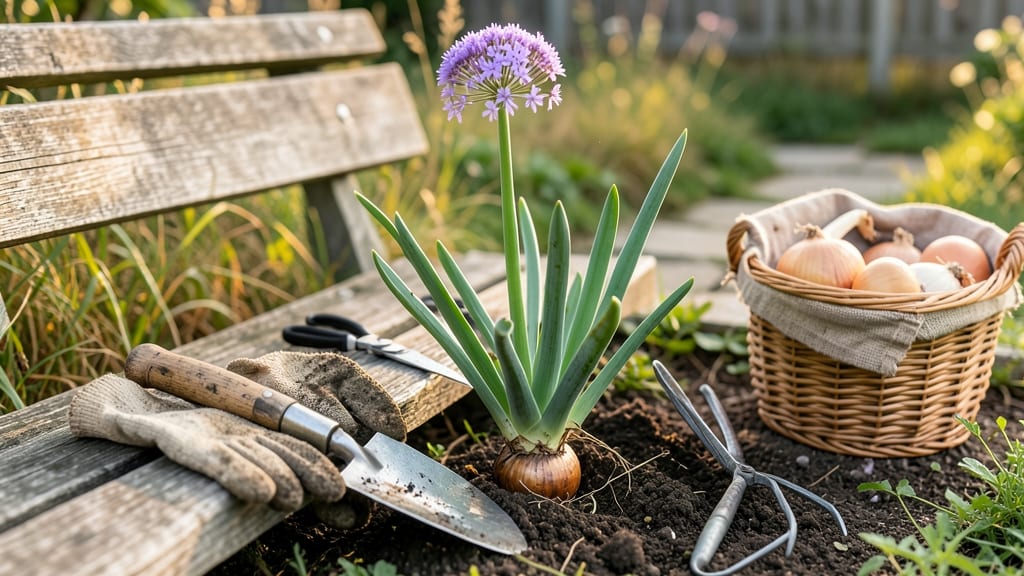
Harvesting onions in Texas at the right time means the difference between sweet, flavorful bulbs and tough, pungent disappointments 🧅 — and it all hinges on soil temperatures and regional quirks.
Picture this: you’ve spent months nurturing your onions, only to pull them too early and end up with underdeveloped bulbs, or wait too long and watch them split in the Texas heat.
The key is knowing when soil temps hit that 50-60°F sweet spot for green onions or 70-80°F for bulbing types, and how North Texas’s cooler springs differ from South Texas’s earlier harvest windows.
Below, I’ll break down the exact soil temperature triggers, the visual cues (like yellowing tops and papery skins) that tell you it’s time, and how to adjust for your specific corner of the Lone Star State—because a two-week timing mistake can turn a great harvest into a gardening regret.
You’ll leave here with a clear plan: when to check your onions, how to test for doneness, and even how to store them for maximum freshness—so you can enjoy homegrown flavor all year long.

Texas soil temperature zones for onion harvesting: when to pull based on heat
Harvesting onions in Texas requires more than just watching for yellowing tops—it’s all about understanding your soil temperature zones. Unlike cooler climates, Texas’s heat demands precise timing to avoid bolting (premature flowering) or watery bulbs.
Green onions thrive in 50-60°F soil, while bulbing varieties need 70-80°F to develop properly. North Texas’s cooler winters and South Texas’s extended heat create two distinct harvest windows you can’t ignore.
Your first step is identifying your USDA hardiness zone (8a-10b in Texas) and adjusting harvest timing accordingly. In North Texas (zones 8a-8b), spring soil warms slowly, giving you a 6-8 week harvest window from late March to May.
Meanwhile, South Texas (zones 9a-10b) can harvest as early as February, but heat spikes after April often force early pulling to avoid bitter, pithy bulbs.
Here’s how to monitor soil temperature like a pro: Use a soil thermometer (inserted 2 inches deep) to check temps daily. For green onions, harvest when soil hovers around 55°F—this prevents bolting.
For bulbing varieties, wait until soil reaches 75°F consistently for 3-5 days. Pro tip: Early mornings (6-8 AM) are the best time to check, as temps drop overnight.
If you’re growing green onions (scallions), prioritize cool-season harvests in fall or winter. These varieties bolt quickly in Texas heat, so aim to harvest them within 45-60 days of planting.
For bulbing onions, the sweet spot is when soil temps stabilize at 70-80°F—this ensures bulbs develop properly without turning pithy or hollow. In North Texas, this usually aligns with April; in South Texas, it’s often March.
Watch for leaf color changes as a secondary cue. When the outer leaves yellow and dry while the inner leaves remain green, it’s time to harvest.
But don’t wait too long—once the neck of the bulb tightens and the tops flop over completely, the bulb may become tough and pithy. In Texas’s heat, this transition can happen in as little as 7-10 days, so stay vigilant.
For fall-planted onions (like Texas Grano), harvest before the first frost hits. In North Texas, this means pulling by mid-November; in South Texas, you might extend until early December.
Cure harvested onions in a dry, shaded area for 2-3 weeks to toughen skins and improve storage life. Pro tip: Use a fan or dehumidifier to speed up curing in Texas’s humid summers.
One common mistake in Texas gardens? Harvesting based solely on leaf color without checking soil temps
Onion variety harvest timelines in Texas: short-day vs. long-day types explained
Texas gardeners know that not all onions are created equal—and neither are their harvest windows. The day-length requirements of onion varieties dictate when they’ll form bulbs, making short-day types like Yellow Granex perfect for Texas’s long summer days, while long-day varieties struggle to mature here.
Understanding these differences helps you time your planting for fall or spring harvests without ending up with stringy, pungent failures.
For Texas’s hot summers and mild winters, the key is planting short-day varieties in fall (September-October) for spring harvests or in winter (January-February) for fall harvests.
Long-day onions, like traditional yellow storage onions, rarely bulb properly in Texas’s 12+ hour daylight summers, so they’re best avoided unless you’re growing them for green onions.
If you’re planting for a spring harvest, aim to have your short-day onions mature by April-May before Texas’s soaring summer temps (90°F+) stress the plants. For a fall harvest, plant in January-February so bulbs finish by September-October, avoiding the humid heat that encourages rot.
Adjust your schedule 2-4 weeks earlier in North Texas (cooler winters) vs. South Texas (warmer winters).
Pro tip: Test soil temps before planting—ideal ranges are 50-60°F for germination and 70-80°F for bulb development. Use a soil thermometer to avoid planting too early in North Texas or too late in South Texas, where winters can be mild enough to skip dormancy entirely.
A delayed harvest means bolting (flowering) or splitting bulbs.
For green onions, long-day varieties like Ailsa Craig can work year-round in Texas, but they’ll never bulb properly. Instead, harvest the green tops when they reach 6-8 inches tall, cutting just above the bulb.
This gives you a continuous harvest every 3-4 weeks without worrying about day-length quirks. Just be sure to fertilize lightly every 4-6 weeks to keep growth steady.
Remember: Texas’s long growing season is your advantage—short-day onions thrive here, while long-day types are a gamble. Stick to Yellow Granex, Texas Early White, or Texas Super Sweet, and you’ll enjoy sweet, pungent, or mild onions tailored to your region’s unique climate. Happy harvesting! 🌱