
How To
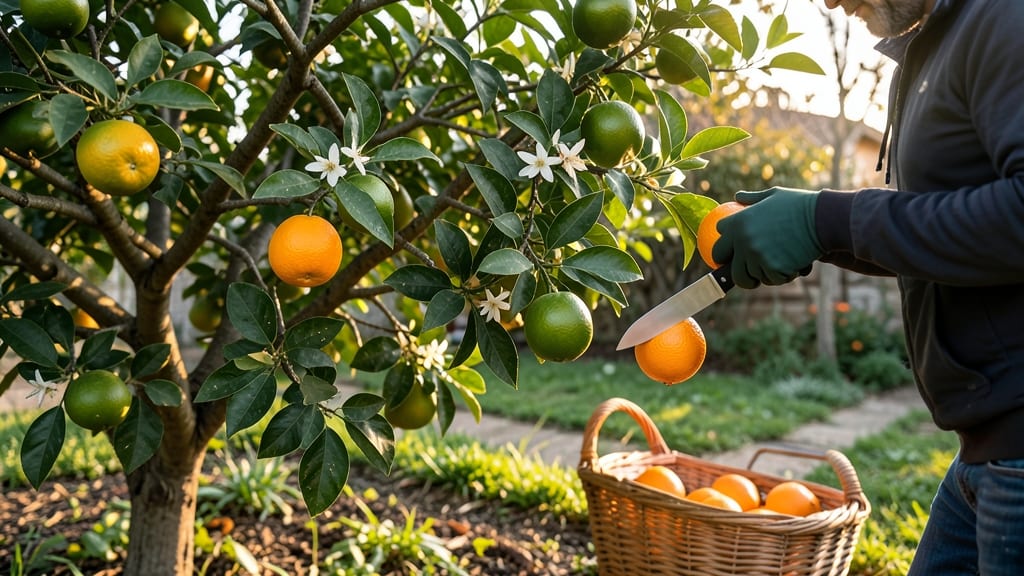
Harvesting oranges at the right time means the difference between tart, mealy fruit and sweet, juicy perfection 🍊 — and the key is knowing when to pick based on color, weight, and a little-known snap test.
Picture this: you’ve waited months for your orange tree to bear fruit, only to bite into a sour, underripe orange that tastes more like lemonade than citrus. Or worse, you wait too long, and the fruit turns mushy or falls apart.
The good news? Timing your harvest correctly is easier than you think—and I’ll show you exactly how.
Most orange varieties ripen in fall to winter, but the exact moment depends on your climate zone (think 9-11 for warm regions or indoor year-round in cooler areas).
In this guide, you’ll learn the three foolproof signs of ripeness, how to adjust for your local growing conditions, and why color alone isn’t enough to guarantee sweetness.
By the end, you’ll confidently know when to harvest oranges for peak flavor—and avoid the two biggest mistakes that ruin homegrown citrus every year.

How to determine orange ripeness using color, weight, and snap test
Harvesting oranges at the perfect moment ensures maximum flavor and juiciness—but many gardeners struggle to distinguish between underripe and overripe fruit. The key lies in combining three simple yet powerful tests: color evaluation, weight assessment, and the snap test.
These methods work for both Valencia and Navel varieties, though some color variations exist.
Start with the visual inspection, which is your first clue. Ripe oranges should transition from green to a deep, vibrant orange (or yellow for some varieties like Blood Oranges).
A dull or patchy color means the fruit needs more time on the tree. This simple step eliminates 50% of guesswork right away.
🍊 Ripeness Guide for Oranges
| Indicator | Underripe | Perfectly Ripe | Overripe |
|---|---|---|---|
| Color | Green or dull orange | Deep vibrant orange/yellow | Shriveled or brown spots |
| Weight | Light for size | Heavy and firm | Feels spongy or hollow |
| Snap Test | Hard, no give | Gives slightly near stem | Too soft, may bruise |
| Stem | Green and woody | Brown and dry | Detaches easily |
Next, perform the weight test by lifting the orange in your hand. A ripe orange should feel surprisingly heavy for its size due to high water and sugar content.
Underripe fruit feels light, while overripe oranges may feel spongy or hollow when squeezed gently. This tactile check works best when comparing multiple oranges from the same tree.
The snap test is the most reliable method for determining ripeness, especially for Navel oranges. Gently twist the fruit near the stem—if it detaches easily with a slight pull, it's ready.
If it resists or the stem breaks cleanly, wait a few days. A ripe orange should also give slightly when pressed near the stem without denting.
Many gardeners make the mistake of relying solely on color, which can be misleading in shaded trees or for varieties like Blood Oranges that stay partially green. Combine all three tests to avoid harvesting too early or too late.
For example, a Valencia orange might look ripe but fail the snap test if picked before its 12-month maturation.
Regional climate plays a role too. In USDA Zone 9-11, oranges ripen year-round, while in cooler zones (like Zone 8), they may need extra time due to slower sugar development.
Always harvest in the morning after dew dries to preserve quality, and avoid picking after heavy rain to prevent disease spread.
Pro tip: Use a harvest basket lined with a soft cloth to prevent bruising during collection. Store ripe oranges at room temperature for up to a week or refrigerate for longer storage.
Overripe oranges can be used for fresh juice or marmalade, but their flavor peaks at the perfect ripeness stage.
Remember, patience is key—rushing the harvest sacrifices sweetness and juiciness. By mastering these three tests, you'll enjoy oranges that taste far superior to store-bought varieties, with a perfect balance of acidity and sugar. Happy harvesting! 🍊
Best time of year to harvest oranges by variety and climate zone
Timing your orange harvest correctly ensures peak flavor and sweetness, but the perfect window depends on your orange variety and USDA climate zone. Valencia oranges thrive in warm winters, while Navels need cooler temperatures to ripen—understanding these differences prevents wasted effort and subpar fruit.
Whether you're in frost-free Florida or chilly California, knowing your zone and variety is the first step to a bountiful harvest.
Most orange varieties ripen between late fall and winter, but exact timing shifts based on your location. In USDA Zones 9-11, where frost is rare, you can harvest year-round with staggered varieties.
Cooler zones (6-8) may only get one harvest window before winter dormancy sets in. Always check for color change, stem separation, and aromatic sweetness—never rely on calendar dates alone.
Harvest Window: November–March (peak in December–January). These late-season oranges need cool nights to sweeten—ideal for Florida and California's inland valleys. Watch for deep orange color and easy stem release.
Harvest Window: December–March (earlier in warmer zones like Arizona). Navels ripen on the tree—never pick green! Look for bright orange skin and a slight give when gently squeezed near the stem.
Harvest Window: January–April (late-season, frost-sensitive). These deep red-fleshed varieties need warm days and cool nights to develop their signature color. Harvest when the rind darkens to ruby orange and the fruit releases easily.
Harvest Window: October–December (early-season). These thin-skinned oranges ripen faster—pick when the skin turns bright orange and the fruit detaches with a twist. Avoid waiting too long, as they soften quickly after peak ripeness.
Adjustment: Harvest before first frost (typically October–November). Use row covers or move potted trees indoors to extend the season. Navel varieties may ripen earlier in these zones—monitor color changes closely.
For gardeners in USDA Zones 6-8, frost is the biggest threat—harvest your oranges 2-3 weeks before the first expected frost date. If you're growing dwarf varieties in containers, you can bring them indoors to a sunny spot and enjoy harvests well into winter.
Always check your local last frost date and adjust your timeline accordingly to avoid losing your crop to cold snaps.
Pro tip: Early bloomers like Mandarins may produce fruit that ripens in late summer or early fall, while late-season Valencia oranges can hang until March in warm climates. Keep a harvest journal to track your tree's unique ripening patterns—over time, you'll predict the perfect window like a pro.
This is especially useful for grafted trees, which may combine multiple varieties with staggered harvests.
Never sacrifice flavor for convenience—overripe oranges lose sweetness and become mealy, while underripe fruit stays tart and seedy. When in doubt, perform the snap test: twist a ripe orange gently at the stem—it should detach cleanly without tearing.
If it resists, wait a few days. With practice, you'll develop an eye (and nose!) for the ideal harvest moment, ensuring your homegrown oranges taste better than store-bought.