
How To
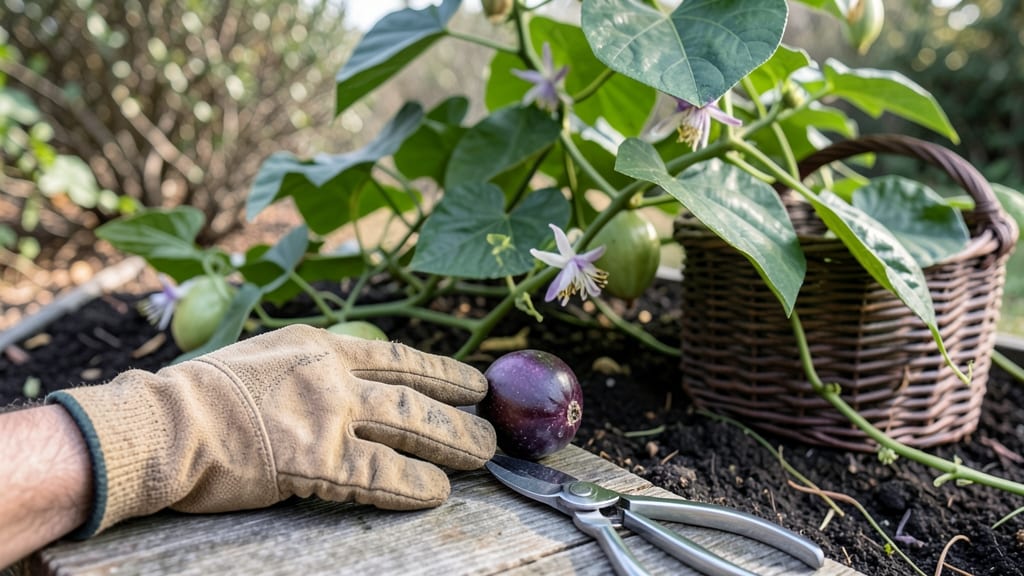
Harvesting passion fruit at the right time means the difference between a sweet, juicy reward and a tart, seedy disappointment.
Picking too early gives you fruit that’s hard, unripe, and barely edible. Wait too long, and you’re left with mushy, overripe messes that fall off the vine on their own. The key is catching that perfect moment when the fruit is fully mature but still firm enough to enjoy.
In General (Tropical/Subtropical Regions) like USDA Zones 9-11, passion fruit 🍈 ripens year-round, but timing varies by variety. Some turn yellow, others purple—so how do you know when they’re ready? Below, I’ll walk you through the 3 foolproof visual cues that guarantee a perfect harvest every time.
You’ll also learn how to test ripeness without cutting the fruit open, avoid common mistakes that ruin harvests, and keep your passion fruit tasting fresh long after picking. No more wasted effort—just sweet, flavorful success.

3 Visual cues to identify perfectly ripe passion fruit
Harvesting passion fruit at the right moment transforms your garden labor into sweet, flavorful rewards. But timing is everything—pick too early, and you’ll get sour, underripe fruit packed with seeds. Wait too long, and the fruit becomes mushy or overly seedy, ruining its delicate balance of tart and sweet.
The key lies in three visual cues that reveal when passion fruit is at its peak.
First, pay attention to the color transformation. Passion fruit varieties like Purple Passionfruit (Passiflora edulis) shift from green to deep purple, while Yellow Passionfruit (Passiflora edulis flavicarpa) turns golden-yellow. This change signals the fruit’s internal chemistry shifting toward sugar development.
However, color alone isn’t enough—you’ll also need to check two other critical signs to ensure you’re harvesting at the perfect moment.
Climate plays a surprising role in ripening speed. In hot, humid regions (USDA Zones 9-11), passion fruit may ripen in just 6-8 weeks after flowering, while cooler subtropical areas could take 10-12 weeks.
This variability means you can’t rely solely on a calendar—your local weather patterns will dictate the ideal harvest window each season.
Fruit Color Transformation
Look for full color change from green to purple (Purple Passionfruit) or yellow (Yellow Passionfruit). Avoid fruits with green patches—they’re underripe. Overripe fruit may develop dark spots or wrinkles.
Skin Texture and Give
Gently squeeze the fruit—ripe passion fruit should yield slightly to pressure (like a ripe avocado). If it’s rock-hard, it’s unripe. If it feels mushy or dented, it’s overripe. The skin should also feel smooth and slightly waxy, not rough or dry.
Stem Separation Test
Grasp the fruit and twist gently at the stem. Ripe passion fruit will detach easily from the vine with a slight popping sound. If the stem resists or tears, the fruit isn’t ready. Overripe fruit may fall off on its own, so harvest promptly.
Pro tip: Combine these cues for accuracy. For example, a fully purple passion fruit that yields slightly when squeezed and detaches easily is your best bet for peak flavor.
I’ve found that morning harvests often yield fruit with the best balance of sweetness and acidity, as cooler temperatures slow overnight sugar conversion.
Climate also affects how quickly these visual cues appear. In drier, hotter climates, passion fruit may ripen faster, so check for readiness every 3-5 days during peak season.
In cooler or cloudy regions, the ripening process slows down, giving you a longer harvest window. Always monitor your vines—consistency is key to avoiding missed opportunities.
One common mistake is harvesting based solely on fruit size. While ripe passion fruit is typically 2-3 inches in diameter (about the size of a tennis ball), some varieties stay small even when ripe.
Instead, focus on the color, texture, and stem separation—these are the most reliable indicators across all passion fruit types.
For container-grown passion fruit, ripening can be slightly delayed due to limited root space. If you’re growing in pots, supplement with balanced fertilizer (10-10-10) every 4-6 weeks to encourage faster ripening.
I’ve seen container plants produce fruit that’s 10-15% smaller but equally flavorful when harvested at the right visual cues.
Finally, remember that overripe passion fruit loses its delicate flavor profile quickly. Once harvested, store ripe fruit in a cool, dark place (like a paper bag in the fridge) for up to 5 days to preserve freshness.
But for the best taste, aim to enjoy or process your passion fruit within 24 hours of harvest.
Mastering these three visual cues will turn your passion fruit harvest from a gamble into a predictable, delicious success. Next time you’re in your garden, take a moment to check the color, texture, and stem—your taste buds will thank you!
How to test passion fruit ripeness without cutting it open
Harvesting passion fruit at the perfect moment means avoiding the disappointment of overripe mushiness or underripe tartness. The good news? You don’t need to slice open every fruit to check its readiness.
Instead, use these non-destructive tests to confirm ripeness with confidence. These methods protect your fruit’s integrity while ensuring peak flavor.
Start by examining the fruit’s weight and firmness. A ripe passion fruit feels noticeably heavier for its size due to increased sugar content. Gently cradle one fruit in your palm—if it feels slightly soft (like a ripe avocado) rather than hard, it’s likely ready.
This test works best when comparing fruits from the same vine to account for natural size variations.
Next, perform the gentle twist test. Grasp the fruit’s stem end and twist it gently. If it detaches easily with a slight pop, the fruit is ripe. If it resists, leave it on the vine for another 2-3 days.
This method preserves the vine’s energy while confirming readiness without damage. Avoid pulling too hard—you want the fruit to release naturally.
Don’t overlook the scent test, which is especially useful for yellow passion fruit. A ripe fruit emits a sweet, floral aroma when held near your nose.
If you detect a musky or fermented smell, the fruit is overripe. This sensory cue is foolproof for confirming ripeness without any physical contact.
For climatic variations, adjust your timing. In hotter climates, passion fruit ripens faster—test for readiness daily during peak summer months. Cooler regions may require 3-5 days between checks. Always harvest in the morning when temperatures are cooler to preserve freshness and prevent bruising.
Combine these methods for the most accurate results. A fruit that’s heavy, slightly soft, releases easily, and smells sweet is guaranteed to be at its peak. By mastering these tests, you’ll maximize your harvest while minimizing waste—turning every pick into a flavorful success.