
How To
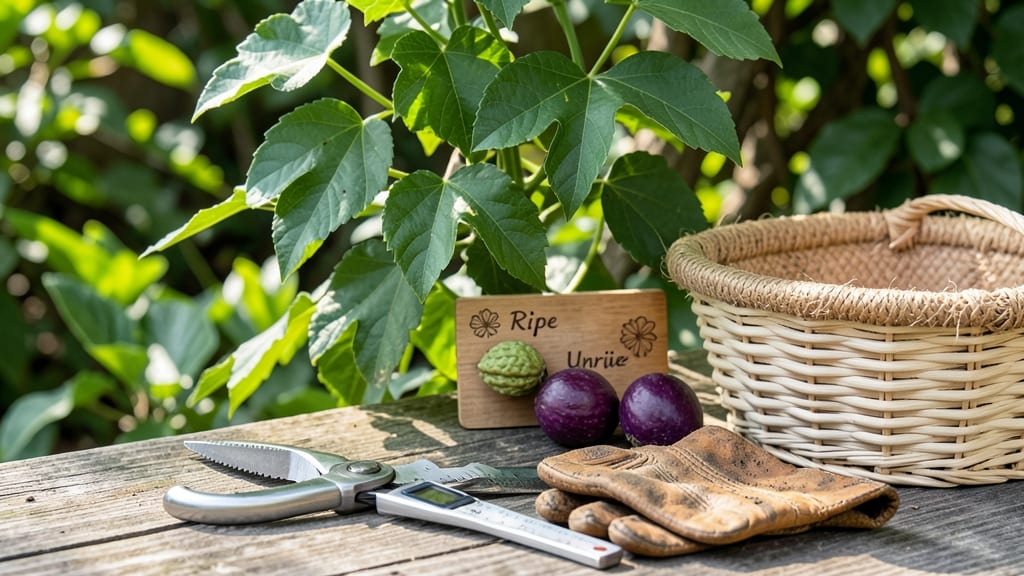
Harvest passionfruit when the fruit turns fully colored, yields slightly to touch, and detaches easily from the vine—these three cues mean peak sweetness 🍈.
Picking too early means bland, underripe flesh, while waiting too long risks overripe mush. But with these simple tactile tests, you’ll never guess again—just feel, twist, and taste-test your way to the perfect harvest.
Most gardeners in General (Tropical/Subtropical) zones (like 10-12) can harvest year-round, but timing shifts slightly with varieties—purple passionfruit ripens faster than yellow, and flavor peaks when the skin wrinkles just enough to give under gentle pressure.
Below, I break down the exact tactile tests to use, how to adjust for regional heat, and the one mistake that turns sweet fruit into bitter disappointment—so you can enjoy that first juicy bite every time.

3 Tactile tests to determine passionfruit ripeness without cutting
Passionfruit can be tricky to time perfectly—overripe fruit turns mushy, while underripe fruit lacks that juicy sweetness we all crave. The good news? You don’t need to cut open every fruit to test ripeness. Instead, use these three tactile tests to feel your way to the perfect harvest moment.
These methods rely on visual cues, touch sensitivity, and stem separation, ensuring you pick passionfruit at peak flavor without guesswork.
I’ve harvested passionfruit for years, and these simple tricks have saved me from bitter disappointments and wasted effort. Whether you’re growing purple passionfruit or yellow varieties, these tests work universally.
The key is paying attention to subtle changes in the fruit’s skin texture, color intensity, and how it responds to gentle pressure. Let’s dive into the hands-on techniques that’ll make you a passionfruit harvest pro.
The skin color shift is your first clue—it’s the most obvious visual cue, but don’t rely on it alone. For example, purple passionfruit might look fully colored but still feel firm to the touch. That’s where the pressure test comes in.
I once picked a fruit that looked perfect but was underripe inside because I skipped this step. Always press gently near the fruit’s widest point—this is where the flesh is thickest and most indicative of ripeness.
Next, the stem twist test is my favorite because it’s foolproof. When passionfruit are ripe, the stem’s connection to the vine weakens naturally. A ripe fruit should detach with a slight twist—no more than a quarter turn. If you’re struggling, the fruit isn’t ready yet.
This test also helps avoid damaging the vine, which can reduce future yields. Pro tip: Perform this test in the morning when fruits are cooler and firmer, making it easier to assess.
Timing your harvest right isn’t just about flavor—it’s also about maximizing your yield. Overripe passionfruit fall off the vine on their own, leaving you with fewer fruits to enjoy.
By using these tactile tests, you’ll harvest at the perfect moment, ensuring each fruit is packed with sweet, tangy goodness. Plus, ripe passionfruit are easier to peel and seed, making them a breeze to prepare for juicing or eating fresh.
If you’re growing multiple passionfruit varieties, pay attention to how each responds to these tests. For instance, yellow passionfruit often ripen slightly faster than purple ones and may feel softer at the ideal harvest time. Always cross-reference the color, pressure, and stem twist tests to avoid mistakes.
And remember: patience is key. Rushing the harvest can leave you with bland, seedy fruit that’s a far cry from the delicious treat you’re aiming for.
One common mistake I see is harvesting based on size alone. A passionfruit can look large but still be hard and underripe. Always combine size with the tactile tests for the best results.
For example, a fruit that’s 3 inches wide but still green inside? Not ready. But if it’s the same size, fully colored, and yields to pressure? Perfect timing.
Finally, store your freshly harvested passionfruit in a cool, dry place (like a paper bag) to slow ripening if you’re not ready to use them immediately. This gives you a few extra days to enjoy the fruits of your labor.
With these tactile tests, you’ll never second-guess when to pick passionfruit again—just feel, twist, and taste your way to success!
Passionfruit ripeness by variety: purple vs. yellow fruit harvest guide
Not all passionfruit ripen the same way—Purple passionfruit (Passiflora edulis) and yellow passionfruit (Passiflora edulis flavicarpa) have distinct cues for peak harvest. While both varieties need similar growing conditions, their ripeness signals differ dramatically, affecting flavor and texture.
Purple varieties develop a deep violet-blue hue, while yellow types turn golden-orange with slight wrinkling—both are key indicators you can't ignore.
Understanding these differences ensures you pick fruit at its sweetest, avoiding the bitter disappointment of underripe or overripe passionfruit. The flavor profile also shifts between varieties: purple passionfruit tends to be tart and aromatic, while yellow passionfruit offers a sweeter, more tropical taste.
Knowing when to harvest each variety maximizes your yield and enjoyment.
| Variety | Ripeness Color | Firmness Test | Stem Detachment | Flavor Profile | Best Harvest Window |
|---|---|---|---|---|---|
| Purple Passionfruit (Passiflora edulis) | Deep violet-blue | Slightly soft, yields to gentle pressure | Twists off easily | Tart, aromatic, complex | Late summer to early fall |
| Yellow Passionfruit (Passiflora edulis flavicarpa) | Golden-orange with wrinkles | Firm but slightly wrinkled | Separates cleanly with twist | Sweet, tropical, mild | Early summer to late fall |
For purple passionfruit, focus on the color shift from green to deep violet-blue—this is your primary cue. The fruit should also feel slightly soft when pressed gently, almost like a ripe plum.
If it resists pressure, it’s not ready yet. Meanwhile, yellow passionfruit ripens slower, developing wrinkled skin and a golden-orange tint. Both varieties release a sweet, floral aroma when ripe—trust your nose!
Harvest timing also affects storage life. Purple passionfruit stays fresh for 7-10 days in the fridge, while yellow passionfruit lasts 5-7 days due to its thinner skin.
To extend shelf life, store them in a paper bag with a few apple slices—ethylene gas from the apples slows ripening in unripe fruit nearby. But remember, never refrigerate ripe passionfruit until you’re ready to use them.
Regional climate plays a role too. In warmer zones (USDA 10-12), purple passionfruit ripens year-round, while yellow varieties peak in summer months. In cooler zones (Zone 9 with protection), expect a spring-to-fall harvest window for both.
Always monitor fruit detachment ease—if it doesn’t twist off with minimal force, wait 2-3 more days.
Pro tip: Harvest in the morning when temperatures are cooler. This preserves flavor and prevents overripening during hot afternoons. And if you’re unsure? Cut one open—ripe passionfruit has gelatinous, translucent pulp with black seeds suspended in a juicy matrix.
Underripe fruit is pale and seedy, while overripe fruit turns mushy and fermented.