
How To
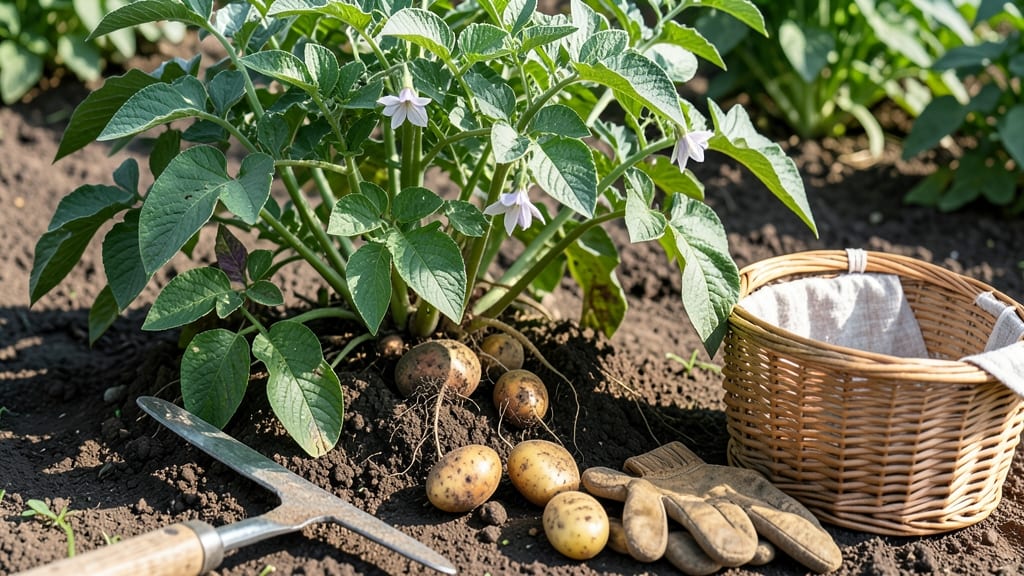
Harvesting potatoes in Missouri at the right time means the difference between crisp, flavorful spuds and a sad, shrunken mess.
Missouri’s unpredictable climate can turn your potato harvest from a triumph into a muddy mess—if you pick too early or too late. Mastering the perfect timing ensures crisp, flavorful spuds, but how do you know when they’re ready?
The answer lies in watching for yellowing foliage and rough-skinned tubers, but soil conditions play a bigger role than most gardeners realize. Missouri’s 5b-6b climate demands a sharp eye for frost risks, humidity shifts, and the ideal 90-day window for most varieties.
Below, I’ll break down the exact signals to watch for—including soil tests and plant cues—so you never dig up potatoes too soon or leave them in the ground too long. Let’s get those 🥔 out at the perfect moment!

How to test soil and identify perfect potato harvest timing in Missouri
Missouri’s clay-heavy soils and variable frost dates demand precise timing for potato harvests. Testing your soil before planting ensures your spuds thrive, while reading plant signals prevents missed harvest windows. Let’s break down the soil tests and harvest indicators that work best for Missouri gardeners.
First, check your soil pH—potatoes prefer a range of 5.0 to 6.5. Use a home soil test kit (available at garden centers) or send a sample to the University of Missouri Extension for professional analysis.
Missouri’s clay soils often need amendments like compost or peat moss to improve drainage, which directly impacts tuber formation.
Next, assess soil moisture by digging a 6-inch hole near your plants. The soil should feel damp but not soggy—potatoes need consistent moisture but hate waterlogged conditions. In Missouri’s humid summers, mulch with straw to retain moisture and prevent blight.
Now, let’s talk plant maturity signs. Most potato varieties take 90 to 120 days to mature, but Missouri’s USDA zones 5b-6b mean timing varies by variety. Early varieties (like ‘Yukon Gold’) may be ready by late June, while late varieties (like ‘Kennebec’) might need until early August.
| Harvest Stage | Key Indicators | Missouri Timing | Soil Condition |
|---|---|---|---|
| Early Harvest (New Potatoes) | Tubers size of golf ball; tops still green | 60–75 days after planting (May–June) | Moist, well-draining |
| Mid-Season Harvest | Foliage yellowing; skin rough but firm | 90–100 days (June–July) | Dry surface, moist below |
| Late Harvest (Storage Potatoes) | Tops fully brown/dead; skin tough | 110–120 days (July–August) | Dry, cool (below 80°F) |
| Post-Frost Harvest | After first frost (tubers cured) | October (if needed) | Cool, dry soil |
For early varieties, watch for golf-ball-sized tubers when the foliage is still green. Dig a small test hole—if the potatoes are firm and smooth, they’re ready. Missouri’s short growing season means early harvests are critical for avoiding late blight, common in humid summers.
At mid-season, focus on foliage changes. When the leaves turn yellow and start to die back, it’s time to dig. Use a fork or spade to gently lift tubers, being careful not to pierce them.
In Missouri’s clay soils, this is also when you’ll see the rough skin that signals maturity.
For late varieties, wait until the tops are completely brown and dead. This usually happens in late July to early August in Missouri. Late harvests are ideal for storage potatoes, but avoid digging if rain is forecasted—wet soil makes handling tubers difficult and increases rot risk.
Missouri’s first frost date (around October 15) can also signal harvest time for any remaining potatoes. If frost threatens, dig immediately—even partially mature tubers are better than none. Cure harvested potatoes in a dark, dry place for 1–2 weeks to toughen their skins for storage.
Pro tip: Keep a harvest journal to track soil conditions, plant signals, and timing for future seasons. Missouri’s climate variability means every year brings new challenges, but with these soil tests and plant cues, you’ll nail the perfect harvest every time.
Missouri-specific harvest mistakes to avoid (and how soil tests prevent them)
Missouri’s humid summers and sudden frost snaps can sabotage your potato harvest if you’re not careful. One of the biggest mistakes I see is harvesting green potatoes too early—these contain toxic solanine and taste bitter.
On the flip side, waiting too late leads to shriveled tubers or even frost damage in late-season varieties.
Another common error is ignoring soil temperature and moisture levels. Missouri’s clay-heavy soils can hold too much water, causing rot, while sandy patches dry out quickly. Without proper testing, you might miss the ideal harvest window—usually when plants yellow and die back—but before the first frost hits.
Soil tests are your secret weapon. They reveal pH levels (potatoes thrive at 5.0–6.5) and moisture retention, helping you adjust irrigation.
For example, in USDA Zone 5b-6b, early varieties like ‘Yukon Gold’ should be harvested by late June, while late varieties like ‘Kennebec’ can wait until early August.
⚠️ Missouri Harvest Timing Pitfalls
- Harvesting too early: Green, bitter potatoes with solanine (toxic if eaten raw).
- Harvesting too late: Tubers shrink or rot from frost or over-maturity.
- Ignoring soil tests: Missouri’s clay soils can hide moisture imbalances—test before planting!
Pro Tip: Dig a test hole when flowers fade—if tubers are golf-ball sized, they’re ready for "new potatoes."
Missouri’s variable climate means frost dates shift yearly. Use a soil thermometer to track 60°F+ temperatures—potatoes stop growing below this. If a late frost is forecast, harvest early-maturing varieties first to avoid losses. For late-season crops, prioritize hilling soil to protect tubers from cold snaps.
Don’t rely solely on plant appearance. Dig a sample tuber at the base of the stem—if it’s firm, rough-skinned, and larger than a golf ball, it’s ready. Soft or smooth-skinned potatoes need more time. In Missouri’s heat, this usually happens 60–90 days after planting, depending on the variety.
After harvest, cure potatoes in a dark, 50–60°F space for 1–2 weeks to toughen skins. Store in cool, humid conditions (like a root cellar) to prevent sprouting.
By avoiding these mistakes—and using soil tests to guide you—you’ll turn Missouri’s tricky climate into your advantage for a perfect harvest every year. 🥔