
How To
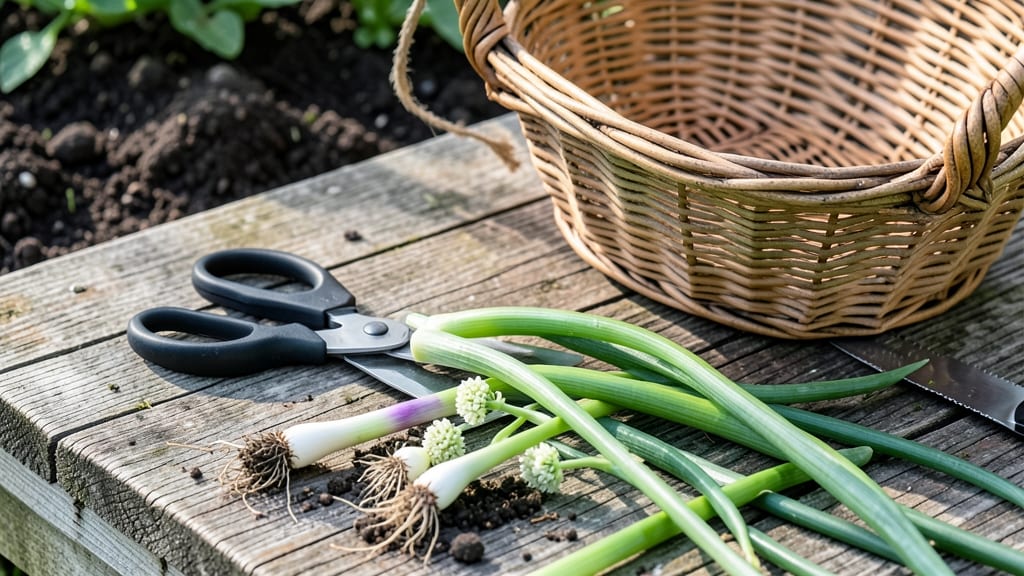
Harvest scallions when their green tops reach 6 to 12 inches and the bulb base swells to about ½ inch—that’s the sweet spot for the most tender, flavorful harvest 🧅.
Picture this: you’ve been watching your scallions grow, and now they’re at that perfect stage where every bite is crisp and mild. But wait too long, and they’ll bolt, sending up bitter, woody stalks that ruin the flavor.
The key is acting fast—before the leaves turn yellow or flower stalks appear.
Season matters too. In spring, scallions bolt faster in the heat, so harvest early. In fall, they’re more forgiving, giving you a longer window to enjoy them fresh. Below, I’ll show you exactly what to look for—and how to keep harvesting for months without killing the plant.
You’ll learn the cut-and-come-again method to extend your harvest, how to spot bolting before it’s too late, and even how to salvage overgrown scallions. No more wasted crops—just peak flavor, every time.

3 Visual cues to harvest scallions at peak flavor
Timing your scallion harvest is the secret to unlocking their bright, oniony flavor. Unlike many veggies, scallions don’t wait for you—they bolt quickly, sending up flowering stems that ruin their tenderness.
I’ve learned the hard way that waiting just 3-5 days past the perfect window turns them bitter and woody. Here’s how to spot the exact moment to harvest for maximum freshness.
First, focus on the leaf color. Ready-to-harvest scallions have vibrant green leaves that are firm to the touch. If the leaves start yellowing at the tips or develop a dull, grayish hue, you’ve missed your window.
The color shift happens fast—sometimes within 48 hours—so check your plants daily during peak growth.
Next, examine the stem thickness. The base of the scallion should feel plump and rounded, about the size of a pencil eraser. If you squeeze the bulb and it feels shriveled or hollow, it’s past its prime.
Pro tip: Run your thumb along the stem—if it’s smooth and firm, harvest now. If it’s rough or fibrous, it’s too late.
The third clue is the bulb size. At peak harvest, the bulb should measure about ½ inch in diameter. Anything smaller lacks flavor, while anything larger risks bolting.
To test, gently pull on the bulb—if it resists slightly but comes out cleanly, it’s ready. If it slips out easily, it’s underdeveloped; if it’s stubborn, it’s overgrown.
| Visual Cue | Ready to Harvest | Overgrown |
|---|---|---|
| Leaf Color | Bright green, crisp | Yellowing tips, dull |
| Stem Thickness | ½-inch diameter, firm | Shriveled, fibrous |
| Bulb Size | ½-inch wide, plump | Large, hollow, or flowering |
| Flowering Stems | None visible | Tall, woody stems |
Here’s my foolproof method: Grab a handful of scallions and compare them to the comparison table above. If they match the "Ready to Harvest" column, grab your sharp pruners or knife and cut them at the base.
For a cut-and-come-again harvest, leave 1-2 inches of stem—this encourages regrowth for 3-4 more harvests per plant.
Seasonal timing matters too. In spring and fall, scallions grow fastest, so check them every 5-7 days. In summer heat, they bolt quicker—harvest within 45-60 days of planting. I’ve had success extending the season by shading plants during peak afternoon sun to slow bolting.
One mistake I made early on was harvesting based on height alone. Some varieties grow tall but stay bland until the bulbs develop. Always check all three visual cues—leaf color, stem thickness, and bulb size—to avoid disappointment.
Pro growers I know swear by harvesting in the morning after watering; the stems are crispest then.
If you miss the window and scallions bolt, don’t toss them! The flowering stems are edible (though tough) and can be used in stir-fries or broths. But trust me, the first harvest is where the magic happens—when the flavor is sharp, fresh, and unmatched.
Now grab those shears and enjoy your homegrown bounty! ✂️🌱
How to harvest scallions without killing the plant (cut-and-come-again method)
Mastering the cut-and-come-again method for scallions lets you enjoy fresh harvests for weeks or even months without sacrificing the plant. The key is knowing when and how deep to cut while leaving enough energy for regrowth.
I’ve perfected this technique in my own garden, and it’s saved me from buying scallions at the store all season long!
This method works best when your scallions have 4-6 healthy green leaves and a small bulb forming. If you harvest too early, the plant won’t regrow well; if you wait too long, it’ll bolt and become bitter.
The goal is to trim just above the soil line while leaving the white bulb intact—this encourages new growth from the base.
Step-by-Step Cut-and-Come-Again Guide
- Step 1: Wait for 6-12 inches of growth – Harvest when the green tops reach 6-12 inches tall and the bulb base is ½ inch thick. This ensures the plant has stored enough energy to regrow.
- Step 2: Use sharp scissors or pruning shears – Avoid pulling or twisting the plant, which can damage the bulb. A clean cut just above the soil line prevents rot and encourages new shoots.
- Step 3: Leave the bulb intact – Never dig up the entire plant. The white bulb must stay in the soil to regenerate leaves. If you see roots exposed, gently cover them with soil again.
- Step 4: Fertilize lightly after harvesting – Use a balanced fertilizer (10-10-10) or compost tea to replenish nutrients. This step is critical for fast regrowth in 2-3 weeks.
- Step 5: Water consistently – Keep the soil moist but not soggy for the first week after cutting. Scallions are shallow-rooted, so morning watering prevents fungal issues.
One common mistake I see is cutting too close to the bulb or using dull tools, which can crush the stems and stunt regrowth. Always use sterilized scissors and make a sharp, diagonal cut to minimize damage.
Another tip: harvest in the morning when the leaves are crisp, and store the cut scallions in a jar of water in the fridge for up to a week.
With this method, I’ve harvested scallions every 2-3 weeks for nearly three months from a single planting. The secret? Patience and consistency. If you notice the regrowth slowing down, it’s time to replace the plant or let it bolt for seeds (though the flavor won’t be as tender).
Pro tip: If your scallions start flowering (bolting), you can still harvest the green tops for cooking, though they’ll be milder. The bulbs may shrink, but they’re still edible—just less flavorful. For the best results, harvest early and often to avoid this stage entirely!
🌱