
How To
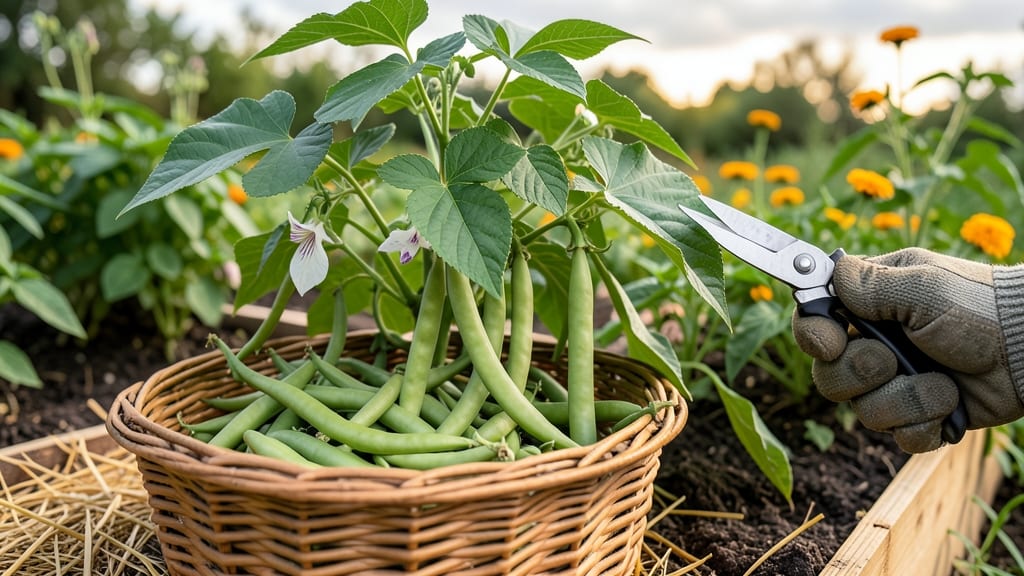
Harvest snap beans when pods are 4-6 inches long and bright green, with tiny seeds barely visible, or you’ll miss the sweetest, crispest flavor of the season.
Picking snap beans at the perfect moment means the difference between crisp, sweet pods and tough, stringy disappointment. One day too late, and those tender pods turn woody and bitter—no amount of cooking will fix that.
But get it right, and you’re rewarded with a garden full of fresh, snappy beans perfect for salads, stir-fries, or steamed sides.
Most varieties hit peak harvest in June through August, about 50-60 days after planting, but the real test is the pod itself. Run your thumb along the seam—if it snaps cleanly with a crisp sound, that’s your cue. Ignore the calendar and pay attention to the plant’s signals instead.
Below, I’ll walk you through the exact size, color, and texture cues to watch for, plus how often to harvest and simple storage tricks to keep your beans fresh longer. No more guesswork—just crunchy, homegrown success.

Snap bean harvest timing: pod size and color rules for peak freshness
Timing your snap bean harvest is everything—pick too early, and you miss flavor; pick too late, and you get tough, woody pods. The secret lies in pod size, color cues, and texture tests that tell you exactly when to harvest for that perfect crunch.
Most varieties reach peak freshness when pods are 3-6 inches long, but the right moment depends on the type you’re growing.
For green snap beans, aim for bright green pods with a slight waxy sheen. Wax beans should have a yellowish-green hue and a crisp, snappy texture. Purple or speckled varieties like ‘Dragon Tongue’ stay vibrant when harvested at the same size but may darken slightly as they mature.
Ignoring these cues means sacrificing sweetness for stringiness—don’t let that happen!
🌱 Pro Tip: Check pods every 2-3 days during peak production. Morning harvests keep beans crisp longer and give you time to enjoy (or preserve) your bounty before they toughen up by evening.
| Bean Type | Ideal Pod Length | Color Cues | Texture Test | Harvest Window |
|---|---|---|---|---|
| Green Snap Beans | 4-6 inches | Bright green, glossy | Snaps crisply when bent | 50-60 days after planting |
| Wax Beans | 3-5 inches | Yellow-green, waxy | Firm, slightly crunchy | 45-55 days after planting |
| Flat Pods (e.g., Romano) | 5-7 inches | Deep green, flat shape | Thin, tender walls | 55-65 days after planting |
| Purple/Blue (e.g., Dragon Tongue) | 4-5 inches | Vibrant purple, no dulling | Juicy, crisp interior | 50-60 days after planting |
Don’t rely on days after planting alone—environmental factors like temperature and sunlight can shift harvest windows. If your beans mature faster in hot climates (like Zone 9+), they may be ready in 45 days instead of 60.
Conversely, cooler summers can stretch the timeline. Always check pods visually rather than guessing by calendar.
For flat-pod varieties like Romano or Contender, wait until pods reach 5-7 inches and develop a thin, papery texture. These types stay tender longer but lose crispness quickly once overripe. Round-pod beans (like Blue Lake) are best when 3-4 inches long—any longer, and they’ll turn fibrous.
The key is consistency: harvest all pods at the same stage to avoid a mix of flavors.
Here’s how to test pod readiness like a pro: Pinch the stem end of the pod—if it snaps cleanly with a slight crack, it’s perfect. If it bends without breaking, it’s underripe.
If it feels tough or woody, you’ve waited too long. This texture test trumps size or color every time. 🔊 Listen for the snap!
Color fades as beans age, so brightness is your friend. Dull or yellowing pods signal overripeness, while uneven coloring (e.g., purple beans turning green) means inconsistent maturity. Harvest in the morning when pods are coolest and most hydrated—this ensures the best texture and flavor.
Store harvested beans in the fridge for up to 5 days to maintain crispness, but eat them fresh whenever possible!
One common mistake is harvesting based on plant age rather than pod development. Just because your 55-day-old plants look lush doesn’t mean every pod is ready. Check individual pods
Common harvest mistakes that ruin snap bean flavor (and how to avoid them)
Harvesting snap beans at the wrong time transforms crisp, sweet pods into tough, flavorless sticks. The biggest culprits? Overripe beans and neglected plants that get crowded out. I’ve learned the hard way that skipping harvests—even for just a few days—can turn your garden into a woody pod factory.
Let’s fix that with simple, actionable tips.
First, watch for visual warning signs of overripe beans: pods that turn dull or yellowish, develop a shriveled texture, or feel hollow when squeezed. These are classic red flags that your beans have passed their prime.
Even worse, if you ignore them, the plant will redirect energy into seed production, leaving you with bitter, stringy pods instead of the sweet harvest you crave.
⚠️ callout warning ⚠️
🚨 When NOT to Harvest Snap Beans
- Pods < 3 inches: Too small = underdeveloped flavor
- Visible seeds: Means the bean is past its prime
- Woody texture: Indicates the plant is stressed or overripe
- Dull color: Bright green should fade to pale yellow at most
⚠️ Pro Tip: Harvest every 2-3 days—this keeps plants producing and prevents overcrowding.
Overcrowding is another silent flavor killer. When plants get too dense, they compete for sunlight and nutrients, leading to stunted growth and poor pod development. I once let my snap beans grow unchecked, and by harvest time, the pods were half the size and twice as tough.
Thin your plants early—keep them 18-24 inches apart in rows—and watch your yield (and flavor) improve dramatically.
To make harvesting easier, invest in a few simple tools: a harvest basket with a long handle (to avoid bending over), sharp hand pruners for clean cuts, and a small knife for tricky pods.
I swear by a woven basket with a shoulder strap—it holds 20+ pods and keeps them from bruising. Always harvest in the morning when pods are crispest, and avoid pulling entire plants by the stem (this can damage the root system).
If you’re still unsure, use the "snap test": Pick a pod and bend it gently. If it snaps with a crisp sound and the stem separates cleanly, it’s ready.
If it bends without snapping or feels rubbery, wait another day. This simple trick saves me from harvesting too early or too late every time.
Finally, don’t let a few missed harvests discourage you. Even if you’ve already let some beans get overripe, prune the old pods and focus on the new growth.
With consistent checks and a little patience, you’ll soon be enjoying crisp, sweet snap beans straight from your garden to the table. 🌱