
How To
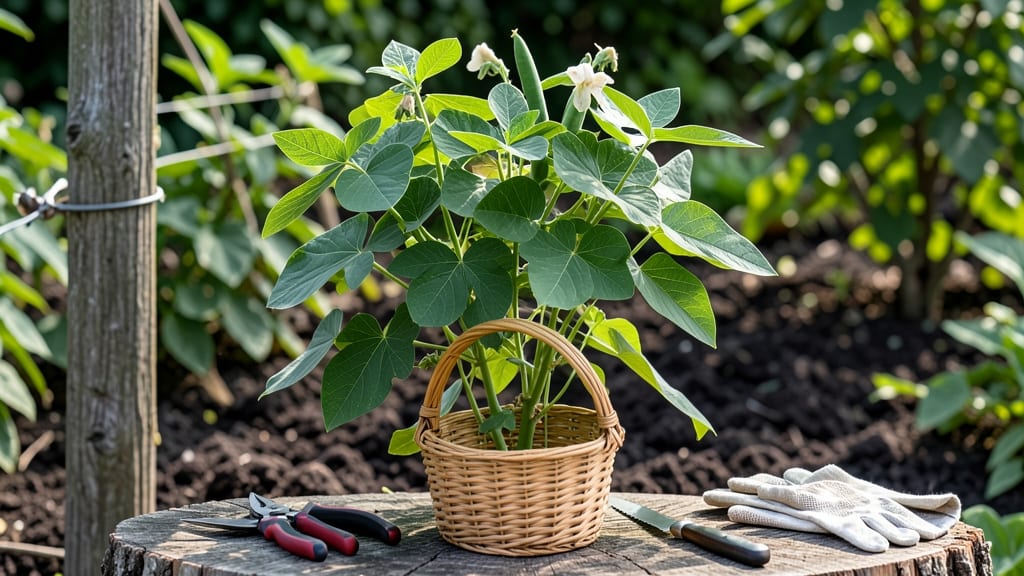
Harvesting Dragon Tongue beans at the right time ensures tender pods packed with flavor—wait too long, and you’ll end up with tough, stringy shells and shriveled seeds.
Picture this: you’ve nurtured your 🌱 Dragon Tongue Bean plants all season, and now the moment of truth arrives. But how do you know when those striking purple pods are truly ready?
Miss the window, and your hard work turns bitter—literally. The secret lies in three key signs that transform a good harvest into a great one.
First, watch for pods that reach 4–6 inches in length, firm yet tender to the touch. Next, check for that glossy green sheen—a telltale sign of peak freshness. Finally, peek inside: if the seeds are still small and darkening, you’ve hit the sweet spot.
Ignore these cues, and you’ll either pick too early (underdeveloped flavor) or too late (woody texture).
Below, I’ll break down these exact signals, plus pro tips to avoid common mistakes that ruin your harvest. Whether you’re a seasoned gardener or a first-timer, these steps will help you pull Dragon Tongue beans at their best—just in time for summer’s finest dishes.

3 Visual signs your Dragon Tongue beans are ready for harvest
Harvesting Dragon Tongue beans at the right moment transforms your garden into a flavor powerhouse. These beans—with their vibrant purple pods—reward patience with tender, sweet flesh when picked at peak ripeness.
But wait too long, and you’ll sacrifice crispness for toughness. The key lies in three unmistakable visual cues that signal it’s time to harvest.
First, pay attention to pod size and shape. Ideal pods measure between 4 to 6 inches long, with a slight curve resembling a gentle crescent moon. Smaller pods (under 3 inches) are still developing, while oversized ones (beyond 6 inches) become fibrous and lose their delicate texture.
This size range ensures the perfect balance of crunch and tenderness.
Next, observe the pod color and surface texture. Ready-to-harvest pods boast a bright, glossy green hue, almost like polished jade. Dull or matte pods? Those are a red flag—either underripe or overripe.
The surface should feel smooth and slightly waxy, not rough or leathery. This sheen is nature’s way of telling you the pod is at its prime for eating.
Here’s where the crack test comes into play—a foolproof trick to avoid tough beans. Gently press a pod between your thumb and forefinger. If it yields slightly but doesn’t crush, it’s perfect for the table.
A pod that feels hard or woody has passed its prime, while one that’s too soft or mushy is underdeveloped. This test eliminates guesswork and guarantees the best flavor.
Don’t overlook the seed development stage inside the pod. At the perfect harvest moment, seeds are tiny and barely visible through the pod’s translucent skin. If seeds have darkened or enlarged, the pod has overripe—leading to a bitter, starchy taste.
Think of seeds as the plant’s way of signaling its readiness; ignore them, and you’ll miss the sweet spot.
Timing your harvest also depends on your local climate and season. In warmer regions (like USDA Zone 9+), Dragon Tongue beans may mature faster, while cooler zones (like Zone 6) could extend the growing season.
Generally, aim to harvest between July and September, but always check the pod’s visual cues rather than relying on a calendar. Even within the same season, morning harvests yield the freshest pods.
Pro tip: Harvest frequently to encourage more production. Picking pods regularly prevents the plant from diverting energy into seed development, which can stunt future yields. Use clean, sharp pruning shears or fingers to avoid damaging the vine.
A gentle twist or snip at the stem’s base ensures the pod comes off cleanly without bruising the plant.
Once you’ve mastered these three signs—pod size, color/texture, and seed visibility—you’ll never second-guess when to harvest again. The reward? Crisp, flavorful Dragon Tongue beans that taste like summer in every bite.
And if you miss the window? No worries—overripe pods can still be dried for seeds or used in hearty stews, though fresh eating is where they truly shine.
How to avoid common harvest mistakes that ruin Dragon Tongue beans
Harvesting Dragon Tongue beans at the wrong stage can turn your garden's bounty into tough, flavorless pods. The #1 mistake? Waiting too long for seeds to mature, which causes the pods to harden and lose their sweetness.
Once seeds fully develop, the pods become woody and stringy, making them nearly inedible. Even experienced gardeners fall into this trap by assuming pod color alone determines readiness—when in reality, texture and size matter most.
Another critical error is harvesting incorrectly, which can damage the plant or cause pods to split. Using sharp scissors or pruners too close to the stem can harm future growth, while pulling pods by hand risks tearing the vine.
The key is to pick pods gently while they're still firm but tender, ensuring both quality and plant health. Let’s break down the exact techniques to avoid these pitfalls.
The False Maturity Trap
Dragon Tongue beans often look mature when pods turn dull purple, but this is a false signal. By this stage, seeds are usually overdeveloped, and pods become tough. Always check pod size (4-6 inches) and seed visibility—if seeds are visible through the pod, you’ve missed the window.
To avoid seed hardening, harvest pods when they’re 4-6 inches long and still bright green. At this stage, seeds inside are tiny and barely visible, ensuring maximum tenderness. If you wait until pods start cracking or seeds darken, the beans will taste bitter and fibrous.
Pro tip: Harvest every 2-3 days during peak production to encourage more pods and prevent overripening.
When picking, use clean pruners or fingers—never tear pods off the vine. Cut just above a leaf node to prevent damage to the plant’s growth points. For large harvests, wear gardening gloves to avoid thorns on some varieties.
If you’re harvesting for seed saving, let a few pods mature fully, but always prioritize fresh pods for cooking.
One tool I swear by is a small harvesting basket with soft lining to prevent bruising. Place it near your plants to avoid dropping pods. If you’re short on time, focus on the youngest pods first, as they’re the most tender.
Never harvest in direct sunlight—it speeds up spoilage. Instead, work in the early morning when pods are cool and crisp.
Finally, resist the urge to harvest based on calendar dates. Dragon Tongue beans mature between 50-80 days, but this varies by climate. In hotter zones, pods may ripen faster, while cooler summers slow development. Always check pod firmness and size—they’re the only reliable indicators of readiness.