
How To
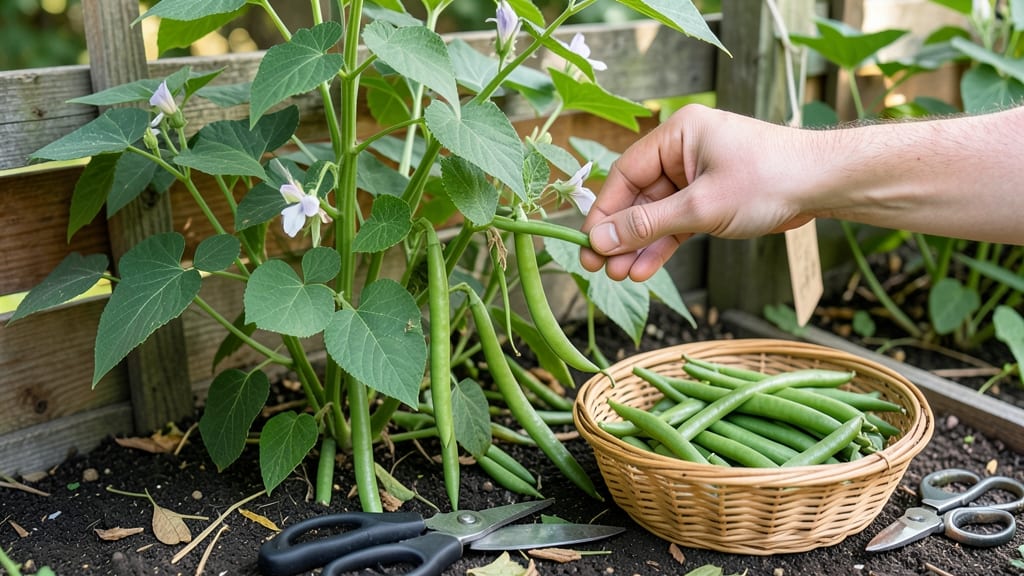
Harvesting string beans at the right time ensures tender, flavorful pods instead of tough, woody ones—here’s the exact method to maximize your yield.
Picture this: you’ve waited 60 days for your 🌱 string beans to thrive, only to find the pods too big, seeds visible, and flavor fading. That’s the difference between a perfect harvest and wasted effort.
The key? Picking pods when they’re 4-6 inches long, bright green, and snap easily—not split.
Why does timing matter so much? Because string beans are prolific producers—once you miss the window, the plant shifts energy to seed development, leaving you with bitter, stringy pods. Regular harvesting keeps them producing longer, giving you a steady supply all season.
In this guide, you’ll learn the simple snap test to check ripeness, the best tools to use (or skip), and how often to harvest for continuous production. No guesswork—just a foolproof system for the freshest string beans from your garden.

When to harvest string beans: the perfect pod ripeness test
Timing your string bean harvest perfectly transforms your garden from a sea of green vines to a kitchen filled with tender, flavorful pods. The difference between crisp, sweet beans and tough, stringy ones often comes down to a few simple visual and tactile clues.
I’ve learned the hard way—wait too long, and you’re left with woody pods that no amount of cooking can salvage!
Harvesting at the right moment doesn’t just improve flavor—it also boosts plant productivity. When you pick beans regularly, your plants redirect their energy to producing more pods instead of letting them mature into dry seeds.
Think of it like pruning: you’re encouraging continuous growth by staying ahead of the plant’s natural cycle.
Here’s the golden rule: harvest string beans when pods are 4-6 inches long, bright green, and still tender. But how do you know for sure? The answer lies in a simple test that combines size, color, and texture. Let’s break it down step by step.
Aim for pods that are 4-6 inches long. Shorter than 3 inches? They’re underripe and lack flavor. Longer than 6 inches? You’ve missed the window—they’ll start developing strings and toughening up.
Look for vibrant green pods. Any yellowing or brown spotting means the pod is overripe or damaged. Pale green? It’s not ready yet—wait a few days.
Gently bend a pod sideways. If it snaps cleanly, it’s perfect for harvesting. If it bends without snapping, it’s underripe. If it feels tough or splits, you’ve waited too long.
Peek inside the pod. If the seeds are small and barely visible, you’ve nailed the timing. If you can see large, plump seeds, the pod is past its prime.
Harvest in the early morning when pods are cool and crisp. Afternoon heat can make them waxy or tough, even if they passed the snap test earlier.
One of the biggest mistakes I see gardeners make is harvesting too infrequently. If you go weeks between picks, your plants will focus on seed production, leaving you with fewer pods overall.
I’ve seen entire plants bolt—sending up flower stalks—because they weren’t harvested regularly. The solution? Check your beans every 2-3 days during peak season.
Another common pitfall is ignoring the snap test in favor of just looking at size or color. I once harvested a batch of 5-inch pods that looked perfect but were leathery and bland because I skipped the tactile check.
Always bend and test a few pods before committing to a full harvest.
Pro tip: Use a pair of sharp scissors or pruners to snip pods just above a leaf or node. This reduces damage to the plant and encourages faster regrowth. Avoid yanking pods off—they’ll tear the vine and leave it vulnerable to pests or disease.
If you’re growing bush beans (determinate varieties), you’ll get a single harvest wave, so timing is extra critical. For pole beans (indeterminate varieties), you’ll enjoy a prolonged harvest season if you stay on top of regular picks. Either way, consistency is key to a high-yielding, flavorful harvest.
Remember, the goal isn’t just to harvest—it’s to harvest at the perfect moment. When you master the pod ripeness test, you’ll transform your garden into a bean-producing machine, filling your kitchen with fresh, homegrown goodness all season long. Happy harvesting! 🌱✂️🌿
Step-by-step string bean harvesting techniques for beginners
Harvesting string beans at the right time transforms your garden into a flavor factory. The key is acting fast—once pods reach peak ripeness, they quickly turn tough and woody. Whether you're using your hands or tools, the method matters just as much as timing.
I’ve harvested enough beans to know that consistency is the secret to a continuous harvest all season.
Start by checking your pods daily once they begin forming. The perfect harvest window is when pods are 4-6 inches long, bright green, and snap easily when bent gently.
If you wait too long, you’ll end up with overmature beans that are tough and less flavorful. Now, let’s dive into the exact steps to harvest like a pro.
How to Harvest String Beans: 5 Simple Steps
-
Step 1: Choose the Right Time
Harvest in the morning after dew has dried. This ensures pods are crisp and firm.
-
Step 2: Use the Snap Test
Gently bend a pod—if it snaps cleanly, it’s ready. If it bends without snapping, wait 1-2 days.
-
Step 3: Pick by Hand or Use Tools
Hand-picking: Pinch the stem just above the pod and twist gently to avoid damaging the plant. Tools: Use pruning shears for thick vines or harvesting scissors to cut stems cleanly.
-
Step 4: Harvest Frequently
Pick every 2-3 days to encourage more production. Overlooking pods leads to reduced yield and bitter beans.
-
Step 5: Store Properly
Store harvested beans in the fridge for up to 5-7 days or freeze them for long-term use.
One common mistake I see is harvesting too aggressively, which can stress the plant. Instead, focus on selective picking—remove only the ripe pods while leaving younger ones to mature.
This keeps your plants productive longer and prevents them from shutting down early. For bush varieties, work from the bottom up to avoid missing hidden pods.
Pro tip: If your plants are overloaded with pods, prioritize the largest ones first. This ensures you’re not wasting energy on pods that won’t reach peak ripeness. A well-maintained string bean plant can produce continuous harvests for weeks if you stay on top of it.
The more you pick, the more your plants will reward you!
Finally, keep an eye out for pests or diseases like aphids or powdery mildew, which can reduce your harvest. If you notice yellowing leaves or stunted growth, address the issue immediately to protect your crop.
With these techniques, you’ll enjoy tender, flavorful string beans straight from your garden all season long. 🌱