
How To
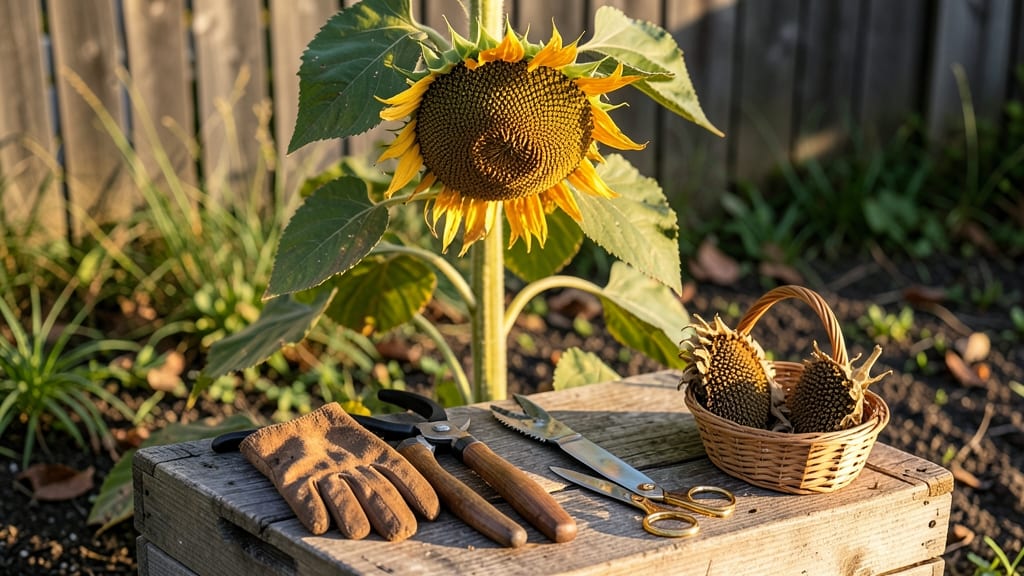
Harvest sunflower heads when their petals begin to droop and turn brown at the base 🌻 — that’s the sweet spot for both fresh bouquets and seed saving.
Picture this: you’ve nurtured your towering sunflowers all summer, and now the big question hits—when is the exact moment to cut them? Miss it, and you’ll either end up with wilted blooms or seeds that won’t sprout next year.
Here’s the secret: watch for three key signs. First, the back of the petals shifts from green to yellow. Second, the flower head feels dry and papery to the touch. Finally, if you shake the head gently and hear seeds rattling inside, that’s your cue.
In this guide, I’ll break down these visual cues, plus the best time of day to cut for maximum vase life. Whether you’re saving seeds or snipping for a bouquet, you’ll never second-guess the harvest again.

3 Clear signs your sunflower heads are ready for harvesting
Knowing when to harvest sunflower heads is key to getting the most from your garden. Whether you're cutting blooms for arrangements or saving seeds for next year, missing the peak harvest window can mean wasted effort.
The good news? Sunflowers provide clear visual cues that make timing simple once you know what to look for.
Sunflowers mature quickly, typically within 75-120 days after planting, but their readiness for harvest depends on whether you're harvesting flowers or seeds. For cutting flowers, timing is all about petal color and stem firmness, while seed harvesting focuses on seed head dryness and color changes.
Let's break down the three unmistakable signs that tell you it's time to harvest.
🌻 3 Clear Signs Your Sunflowers Are Ready
-
1. Petals Turn Brown at the Base
The most obvious sign is when the back of the petals (the side facing away from the sun) changes from green to yellow-brown. This indicates the flower is reaching the end of its bloom cycle and is perfect for cutting. The petals may also start to droop slightly at the edges. -
2. Seed Head Becomes Dry and Papery
For seed harvesting, look for a dry, crisp texture on the seed head. Gently press your thumbnail against the back of the flower head—if it feels dry and papery (like tissue paper), the seeds are ready. The head should also rattle when shaken, signaling mature seeds inside. -
3. Stem Firmness and Seed Color
A ready-to-harvest sunflower has a firm, woody stem that doesn’t bend easily. For seeds, the seed head turns golden-brown (not black or moldy). If you crack open a seed, it should be hard and fully formed, not soft or hollow.
Harvesting at the right time ensures your sunflowers stay vibrant for arrangements or produce high-quality seeds. If you wait too long, the petals may fall off, or the seeds could scatter before you collect them.
For cut flowers, harvest when the petals are fully open but just starting to brown—this gives you the longest vase life.
For seed collection, wait until the seed head is completely dry and brown. This usually happens 1-2 weeks after the petals drop. Once the seeds are mature, you can gently twist the head off the stem or cut it with pruners.
Store the seeds in a cool, dry place until you're ready to plant them next season.
If you're unsure whether your sunflower is ready, perform the "finger test": Press a seed between your fingers. If it’s hard and doesn’t dent easily, it’s ready.
If it’s soft or mushy, give it another 3-5 days to mature. This simple test saves time and ensures you only harvest at peak readiness.
Don’t forget to leave a few sunflowers on the plant to go to seed naturally—this ensures pollinators like bees have a food source and gives you seeds for future planting. Once you’ve harvested, enjoy your sunflowers in bouquets or save the seeds for next year’s garden.
Timing your harvest correctly means fewer wasted blooms and more rewards from your garden. Now that you know the three key signs, you’ll never miss the perfect moment to harvest sunflower heads again!
Best practices for cutting sunflowers without damaging the plant
Cutting sunflowers at the right time and using the proper technique ensures your blooms stay vibrant in vases for days or even weeks. The key is to harvest when the flower is fully mature but still fresh enough to transport indoors.
If you cut too early, stems won’t hold water well; too late, and the petals will already be wilting. I’ve learned that timing and technique make all the difference in preserving that sunflower charm inside your home.
Before you grab your pruners, gather a few essential tools: a sharp pair of bypass pruners or shears, a clean bucket of water, and a flower preservative (like a commercial mix or homemade sugar solution). Avoid dull tools—they crush stems and reduce vase life.
I always keep a small spray bottle of water nearby to refresh cut ends immediately after harvesting. This simple step can extend your sunflowers’ life by 2-3 extra days.
Step-by-Step Guide to Cutting Sunflowers
- Step 1: Choose the Right Time – Harvest in the early morning when stems are fully hydrated. Avoid cutting after rain or late in the day when stems may be stressed.
- Step 2: Select Healthy Stems – Look for stems that are thick and sturdy, not woody or hollow. Avoid flowers with brown spots or wilting petals.
- Step 3: Cut at the Right Angle – Use clean pruners to make a 45-degree angle cut about 6 inches from the base. This increases water uptake.
- Step 4: Strip Lower Leaves – Remove leaves from the bottom 12 inches of the stem to prevent bacterial growth in vase water.
- Step 5: Revive Immediately – Place stems in lukewarm water with a flower preservative for at least 30 minutes before arranging.
Once you’ve cut your sunflowers, the next critical step is preparing them for the vase. I swear by soaking the stems in a sugar and bleach solution (1 teaspoon sugar + 1 drop bleach per cup of water) for 30 minutes before arranging.
This cleans the stems and feeds the flowers, keeping them fresh longer. Change the vase water every 2-3 days and trim the stems by a half-inch daily to encourage new water uptake.
If you’re worried about damaging the plant, don’t be! Sunflowers are hardy and resilient. Cutting a few stems actually encourages the plant to produce more blooms as it redirects energy. Just avoid taking more than one-third of the plant’s stems at once, or you might stunt its growth.
I’ve found that cutting sunflowers in stages—every few days—gives me a steady supply of fresh blooms all season long.
Pro tip: For the longest vase life, harvest sunflowers when the petals are fully open but before they start drooping. This is usually 1-2 days after the flower fully blooms.
If you’re unsure, gently squeeze the back of the head—if the seeds rattle, they’re ready! Store cut sunflowers in the fridge overnight before arranging to slow wilting and keep them crisp.
With these techniques, your cut sunflowers will stay fresh for 7-10 days or longer, making them the star of your home decor. Plus, you’ll have happy, healthy plants that keep producing beautiful blooms all season. Happy harvesting! 🌻