
How To
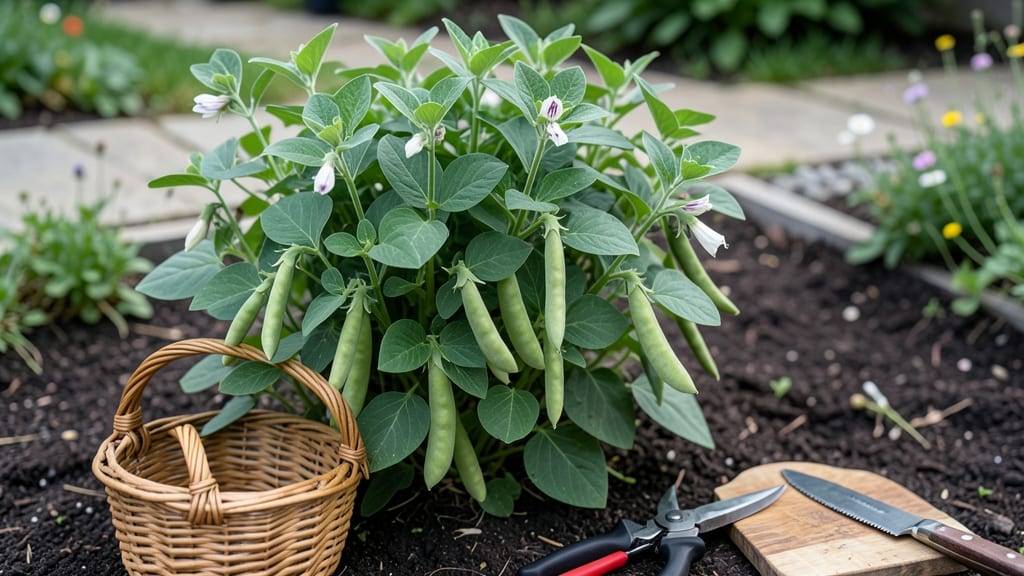
To pick bush beans at their peak flavor, wait until pods reach 4-6 inches and snap crisply when bent—any later and they turn tough and woody.
I used to harvest mine too late, ending up with stringy, bitter beans that tasted more like disappointment than dinner. A simple seed test can change that—just press a pod between your fingers to check for firmness and size.
Timing matters because beans lose half their sweetness within hours of reaching full maturity. Harvest in the morning when pods are cool and crisp, and you’ll get the most flavor-packed yield from your 🌱 bush bean plants.
Below, I’ll show you how to test for perfect ripeness, the best times of day to harvest, and what to do if you wait too long—so you never miss the sweet spot again.

How to test bush bean seeds for optimal harvest timing
Harvesting bush beans at the perfect stage ensures sweet, crisp pods packed with flavor. But how do you know when they're ready? The key lies in two simple tests: pod color and the squeeze test.
These methods reveal whether your beans are at their peak—or past it. Overripe beans develop tough, fibrous skins and starchy seeds, ruining that garden-fresh taste we all love.
Start by examining the pod color. Most bush bean varieties—like Kentucky Wonder or Blue Lake—turn a vibrant uniform green when ready. Purple varieties should deepen to a rich hue.
If the color fades or looks patchy, the beans are likely overripe. This visual cue is your first clue that harvest time is near.
Next, perform the squeeze test by gently pressing a pod between your thumb and forefinger. If it feels firm yet tender, like a fresh green bean from the store, it’s ready to pick.
But if it’s soft or mushy, it’s past its prime. The seed size inside also matters—small, undeveloped seeds mean peak flavor, while large, bulging seeds signal overmaturity.
🌱 Step-by-Step: How to Test Bush Bean Maturity
- Step 1: Inspect pod color—look for uniform, vibrant hues (green, purple, or variety-specific).
- Step 2: Check pod length—ideal beans are 4-6 inches long. Shorter pods are underripe.
- Step 3: Perform the squeeze test—press gently. Firm yet tender = perfect. Mushy or hard = overripe.
- Step 4: Open a pod to check seed size. Small, undeveloped seeds = peak flavor. Large seeds = past prime.
- Step 5: Snap a pod—if it snaps crisply, it’s ready. A dull sound means it’s overripe.
Timing is everything with bush beans. If you wait too long, the pods toughen up and the seeds swell, turning your harvest into a woody, flavorless mess. But harvesting too early?
You’ll get tiny, underdeveloped pods with minimal yield. The 4-6 inch rule is a great starting point, but always combine it with the squeeze test for accuracy.
Pro tip: Harvest in the morning when pods are cool and crisp. This is when their flavor and texture are at their best. Avoid picking after a hot day—the heat can make pods tougher.
And always use clean, sharp scissors or pruners to snip stems, leaving a small stub to encourage more production.
For purple or speckled varieties, like Tiger Eye beans, the color test is even more critical. These beans often lose their striking patterns as they mature, so watch for faded or dull hues as a warning sign.
Even if the pod looks perfect, a quick squeeze will confirm its readiness.
Overripe beans aren’t just less flavorful—they also compete with your plants for nutrients, slowing down future harvests. By mastering these tests, you’ll ensure your bush beans stay tender, sweet, and abundant all season long.
Plus, you’ll avoid the heartbreak of a bitter, fibrous harvest that’s a far cry from the fresh-picked goodness we dream about.
Don’t forget to harvest regularly—every 2-3 days—to encourage more pods to form. Bush beans are prolific, and keeping up with the harvest ensures your plants stay productive. With these simple tests, you’ll never guess again when your beans are ready to pick!
🌿
Best time of day and season to harvest bush beans
Timing is everything when harvesting bush beans—picking at the right moment ensures sweet, tender pods packed with flavor. The best time of day to harvest is early morning, when temperatures are cooler and beans are crispest.
This reduces stress on the plant and gives you the freshest yield for meals or storage.
Seasonally, aim to harvest bush beans 50-60 days after planting, typically between June and August in most climates. However, early-season plantings (like those in March or April) may produce beans earlier, while late-season plantings could extend harvests into September before frost hits.
- 🌞 Morning Harvests: Pick beans between 7-9 AM for maximum crispness and sweetness.
- 🌡️ Temperature Check: Avoid harvesting when temps exceed 85°F (29°C), as beans lose moisture and flavor.
- 📅 Seasonal Adjustments: Early plantings (March-April) yield beans 2-3 weeks sooner than late plantings (May-June).
- ⏰ Frequency Matters: Harvest every 2-3 days to encourage continuous production and prevent overripe pods.
- 🌿 Late-Season Tip: If frost threatens, harvest all remaining beans and store them in the fridge for up to 5 days.
For early-season plantings, start checking for harvest-ready pods around 50 days after sowing. Look for pods that are 4-6 inches long and snap crisply when bent—this is your cue to pick. If you miss this window, beans quickly become woody and stringy, ruining their taste.
Adjust your harvest schedule for late-season plantings by monitoring pod development and weather forecasts. If frost is predicted within 2 weeks, prioritize harvesting all mature pods, even if they’re slightly smaller than ideal. This ensures you don’t lose your entire crop to cold damage.
Pro tip: Use a small basket or cloth bag to collect harvested beans—this prevents bruising and keeps pods fresh longer. Store them in the fridge for up to 7 days or blanch and freeze for extended storage. A little planning now means flavorful beans all season long!
🌱