
How To
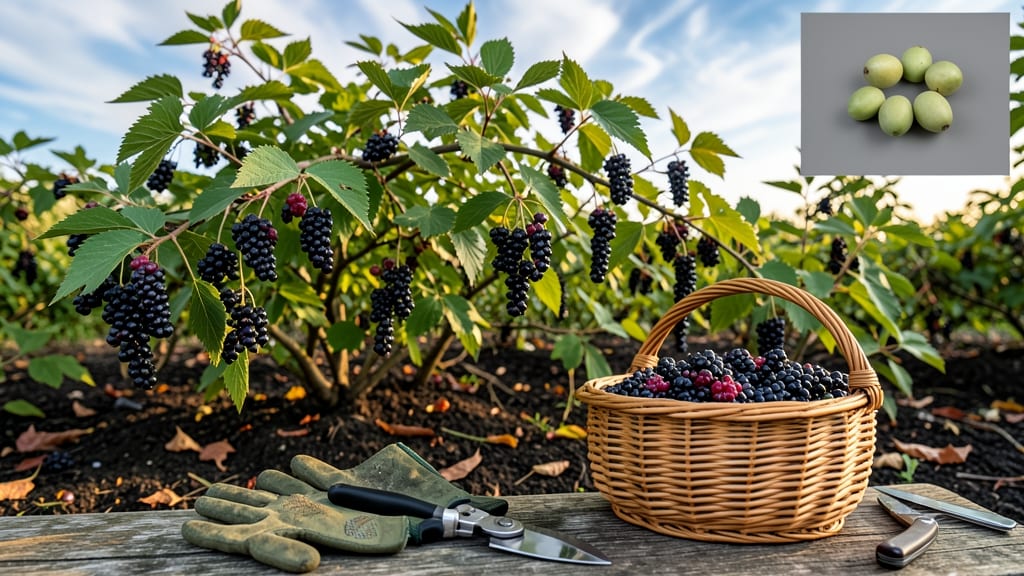
Harvest elderberries when they turn deep purple-black and feel soft to the touch—this is the sweet spot for flavor and medicinal potency 🫐.
Elderberries are a gardener’s treasure—but harvesting them too early or late can mean bitter berries, wasted effort, or even toxic risks. Timing is everything, and these three foolproof methods will help you pick elderberries at peak flavor and potency.
You might think color alone is the key, but seed softness and bird behavior are just as important. Birds avoid unripe berries, so if they’re ignoring your bushes, it’s a sign they’re ready. Meanwhile, squeezing a berry should yield slightly to your fingers—no give means they’re not there yet.
Below, I’ll break down how to test ripeness like a pro, when to watch for those telltale wrinkles, and how to preserve your harvest for syrups, teas, or remedies. No more guesswork—just perfect elderberries every time.

How to identify perfectly ripe elderberries by color and seed softness
Harvesting elderberries at the right moment transforms them from bitter, astringent fruits into sweet, jam-packed treasures perfect for syrups, wines, or medicinal teas. The key lies in two simple but critical visual and tactile cues: berry color and seed softness.
Ignoring these can leave you with berries that are either underripe (and unpalatable) or overripe (and fermented).
Elderberries start their life as bright green buds, gradually shifting through lavender and pale purple stages before reaching their final deep purple-black hue. This color progression isn’t just about aesthetics—it’s a direct indicator of sugar development and flavor maturation.
The deeper the color, the sweeter and more potent the berries become, especially for culinary and medicinal uses.
But color alone isn’t enough. You also need to test the seed softness inside the berries. Here’s why: unripe elderberries contain cyanogenic glycosides, compounds that can be toxic if consumed in large quantities.
As the berries ripen, these compounds break down, and the seeds soften—making them safe and flavorful. A simple gentle squeeze test is all you need to confirm readiness.
Pro Tip: Harvest elderberries in the morning after a dry night. This ensures the berries are fully hydrated but not sticky with dew, making them easier to handle. Use a pair of clean pruning shears or scissors to snip clusters, leaving a short stem to preserve the berries’ integrity during storage or processing.
Now, let’s break down the exact visual and tactile cues you should look for, along with a handy reference table to guide your harvest timing.
When elderberries reach their deep purple-black stage, they’re typically ready for harvest. But don’t rely solely on color—always perform the seed softness test. Gently crush a single berry between your thumb and forefinger.
If the seeds inside feel soft and slightly mushy, the berries are at peak ripeness. If they’re still firm, wait another 2-3 days and retest.
For medicinal use, such as making elderberry syrup for immune support, perfectly ripe berries are crucial. Underripe berries contain higher levels of cyanogenic glycosides, which can cause digestive upset or other adverse reactions.
Ripe berries, on the other hand, are packed with antioxidants, vitamins, and immune-boosting compounds like flavonoids and phenolic acids.
One more visual cue to watch for is the wrinkling of the berry skin. As elderberries ripen, their surface develops a slight dull, wrinkled texture. This isn’t a sign of overripeness but rather an indication that the berries have reached their ideal sugar-to-acid balance.
Pair this with the deep color and soft seeds, and you’ve got a foolproof combination for a successful harvest.
If you’re growing elderberries for culinary purposes, such as jams, pies, or wines, timing is equally critical. Overripe berries can ferment quickly, especially if left on the bush or in a warm environment.
This fermentation process alters the flavor profile, giving the berries a tangy, almost vinegary taste—far from the sweet, rich flavor you’re aiming for.
For the best results, harvest elderberries in
The bird resistance test: why birds avoiding elderberries means they’re ready to pick
Birds are nature’s elderberry quality control, and their behavior can tell you exactly when your berries are ready to harvest. When birds stop feasting on your elderberries, that’s your cue—they’ve already moved on to easier, riper treats.
This natural bird resistance test is one of the most reliable ways to gauge ripeness without guessing.
Elderberries are a magnet for birds like robins, cedar waxwings, and blackbirds during their ripening phase. These birds have a palate for perfection and won’t touch berries that are underripe or overripe.
When you notice fewer birds around your bushes, it’s often because the berries have reached their sweetest, most flavorful stage—just right for you to pick.
⚠️ WARNING: Harvesting Too Late Can Ruin Your Berries ⚠️
To use the bird resistance test, start observing your elderberry bushes in late August. Note when birds begin visiting—this marks the early ripening phase. Once their visits taper off or stop entirely, check the berries for deep purple-black color and slight softness. If they pass both tests, it’s time to harvest!
What if birds are still devouring your berries when they turn purple? This could mean uneven ripening due to partial shade or inconsistent sunlight. In this case, harvest the softest clusters first and leave the firmer ones for later.
Birds will often peck at the ripest berries first, so focus on those areas.
Pro tip: Shake the bush gently to dislodge ripe berries—birds do this too! If clusters fall easily into your hand, they’re ready. Save the hard, green, or partially attached berries for later harvesting or compost. This two-stage approach ensures you get the best yield without wasting effort on unripe fruit.
Once you’ve mastered the bird resistance test, you’ll never second-guess your elderberry harvest again. It’s a free, foolproof method that aligns perfectly with nature’s timeline. Just remember: birds eat first, you harvest second—and you’ll always get berries at their peak! 🫐