
Picking
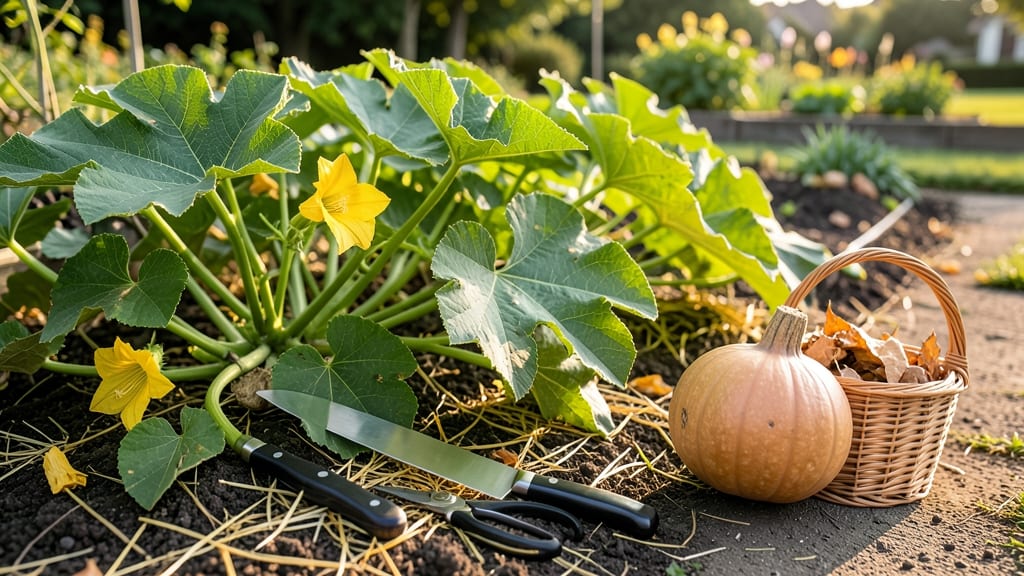
To pick butternut squash at peak sweetness, time it with your last frost date—typically 80 to 100 days after planting, but never before the first hard frost in USDA Zone 6a.
Imagine slicing into a squash only to find it tough and bland instead of rich and nutty—this happens when you harvest too early or too late. The difference between perfect flavor and disappointment comes down to knowing the right cues.
Your butternut squash 🎃 is ready when the skin turns a deep tan, the stem shrinks and dries, and the rind resists a fingernail. These visual signals, paired with frost-date math, ensure you harvest at the ideal moment for both taste and storage.
Below, I’ll walk you through the exact frost-date calculations, the 5 key signs of readiness, and what happens if you miss the window—so you can enjoy squash that’s sweet, tender, and ready for the table.
How to calculate butternut squash harvest time using frost dates
Butternut squash thrives when you time its harvest just right—too early, and you get bland, watery flesh; too late, and frost ruins the crop. The secret? Frost dates paired with days to maturity.
Most varieties need 80-120 days from seed to harvest, but your last frost date is your real deadline.
Start by checking your USDA hardiness zone—this tells you your average last frost date. For example, in Zone 5, the last frost is typically May 15, while Zone 8 gardeners can plant until March 15.
Add 100 days (the ideal maturity window) to your last frost date to find your harvest window.
For instance, if your last frost is April 15, your harvest window opens around July 25. But wait—this is just the start! Butternut squash doesn’t ripen all at once, so you’ll need to monitor individual fruits for readiness. Now, let’s break it down with a precise calculator-style table.
| Zone & Last Frost | Planting Window | Harvest Window (100 Days) | Adjust for Early/Late |
|---|---|---|---|
| Zone 3 (May 1) | May 15–June 1 | August 10–September 1 | Harvest by Sept 15 to avoid frost |
| Zone 5 (April 15) | April 30–May 15 | July 25–August 15 | Extend to Sept 1 if frost-free |
| Zone 7 (March 1) | March 15–April 15 | June 15–July 15 | Can harvest into early October |
| Zone 9 (February 1) | February 15–March 15 | May 15–June 15 | Longer season; monitor for pests |
| Container Gardeners | After last frost +1 week | Same as zone, but harvest 5–7 days earlier | Containers dry faster; watch for stress |
Now, here’s the critical adjustment: butternut squash doesn’t ripen uniformly. Even if your harvest window starts in July, individual fruits may need 10–14 extra days to reach peak sweetness. That’s why I always check 3 key signs before harvesting: rind hardness, stem shrinkage, and color change.
Pro tip: If you’re in a shorter growing season (like Zone 4), opt for faster-maturing varieties like ‘Waltham Butternut’ (85 days) instead of ‘Gold Rush’ (110 days).
This ensures you beat the frost while still getting sweet, flavorful squash. Always plant 2–3 weeks earlier than your zone’s average last frost for a buffer.
Don’t forget: Butternut squash stores best when cured for 10 days in a warm, dry place (70–80°F). If frost threatens before your squash is ready, harvest early and cure indoors—just know the flesh will be slightly less sweet but still edible.
Use a row cover to extend your season by 2–3 weeks if needed.
For container gardeners, subtract 5–7 days from your harvest window since pots dry out faster and stress the plants. Mulch heavily with straw or leaves to retain moisture and regulate soil temperature. This small tweak can mean the difference between a perfect harvest and a missed opportunity.
Finally, keep a garden journal to track your actual frost dates versus the averages. Over time, you’ll refine your harvest timing like a pro. My first year, I harvested too late in Zone 5—now I mark my calendar 2 weeks before the average frost to stay ahead of the game.
🎃
5 Visual and physical signs your butternut squash is ready to harvest
Butternut squash doesn't follow a strict calendar—it signals readiness through physical changes that tell you exactly when to harvest. While frost dates give a rough estimate, these 5 visual cues ensure you pick your squash at peak sweetness.
I’ve learned the hard way that waiting for these signs prevents tough, watery flesh that ruins even the best recipes.
First, pay attention to the vine color. Healthy butternut vines stay vibrant green, but as the fruit matures, the leaves near the squash will yellow and crisp. This is your plant’s way of saying, "It’s time!"
I always check this first because it’s often the earliest visible sign of readiness. Don’t ignore it—this is nature’s countdown to harvest.
Next, the stem hardening is a game-changer. When the stem at the neck of the squash dries out and shrinks away from the fruit, it’s a clear sign the squash has reached maturity.
I once missed this cue and ended up with squash that was still growing when I harvested it—resulting in a bland, watery texture. Pro tip: Gently twist the stem to check for dryness; if it snaps easily, it’s ready.
For the ultimate test, use the thump test. Hold the squash and tap it firmly with your knuckles. A mature butternut will sound hollow, like a drum. If it sounds dull or muffled, it needs more time on the vine.
This test works because the seeds inside harden as the squash matures, creating that signature echo. I’ve used this trick for years—it’s foolproof!
Finally, don’t overlook the color transformation. The skin should shift from green to a rich tan or beige, especially around the neck. Some varieties develop a golden hue, while others stay more neutral.
The deeper the color, the sweeter the flavor. I always compare my squash to photos of ripe butternuts to confirm the color change—it’s surprising how subtle the shift can be at first.
If you’re still unsure, harvest a test squash and taste it. The flesh should be firm, sweet, and nutty. If it’s bland or watery, give the others a few more days.
Remember, butternut squash won’t ripen further after picking, so timing is everything. With these signs, you’ll never guess again—just harvest with confidence!