
How To
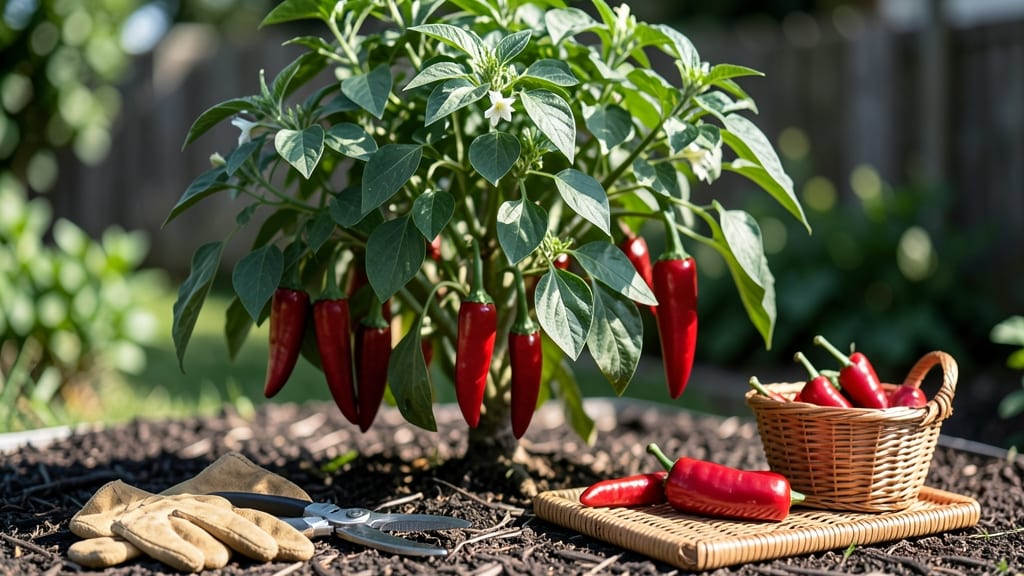
To pick Giant Marconi peppers at their sweetest, watch for deep green skin that resists gentle pressure and a clean stem break — these cues mark the 75-90-day harvest window when flavor peaks.
You’ve spent months tending your 🌶️ Giant Marconi Pepper, and now the moment of truth arrives: how do you know when to pluck them without ruining the harvest?
Overripe peppers lose sweetness and texture, while underripe ones lack depth. The secret lies in three simple tactile tests that reveal readiness without damage.
Regional climate plays a role too — in USDA Zone 6a, August through October is prime time, but heat waves or cool snaps can shift the window. Below, I’ll show you how to read the plant’s signals, from color shifts to stem resilience, so you never miss the peak.
Master these checks, and you’ll enjoy peppers that are sweeter, firmer, and ready to transform into sauces, roasts, or fresh slices—no guesswork required.

3 Tactile tests to determine Giant Marconi pepper ripeness
Harvesting Giant Marconi peppers at the perfect moment means the difference between sweet, juicy flavor and bland or overly ripe disappointment. Unlike store-bought peppers, these beauties need hands-on attention—no guessing games.
I’ve learned the hard way that waiting too long turns them rubbery, while picking too soon robs you of their signature mild sweetness. The good news? You can feel your way to perfect ripeness with just your fingers and a little practice.
These three tactile tests are my go-to methods for checking ripeness without damaging the plant or the pepper. They work for green, yellow, or red varieties and even help you avoid the common mistake of harvesting when the peppers are still firm but underdeveloped.
Whether you’re a seasoned gardener or just starting, these tricks will give you confidence in your harvest timing every time.
- 1 Gentle Squeeze Test: Press the shoulder of the pepper (where it meets the stem) with your thumbnail and forefinger. If it gives slightly but springs back like a ripe avocado, it’s ready. A soft or mushy feel means it’s past its prime.
- 2 Stem Separation Test: Gently twist the pepper near the stem. If it snaps cleanly with a slight resistance (like a green tomato), it’s perfect for picking. If the stem tears or pulls away, wait a few days—it’s not quite there yet.
- 3 Color Transition Check: Run your fingers over the surface of the pepper. A ripe Giant Marconi will have a smooth, glossy skin with deep, even color (green, yellow, or red, depending on your variety). If the color is patchy or dull, it’s not ready—wait for consistency.
The squeeze test is my favorite because it’s the most instant feedback method. I’ve found that Giant Marconi peppers at peak ripeness feel almost like a firm, ripe melon—just enough give to know they’re sweet but not mushy.
Pro tip: Do this test in the morning after watering when the peppers are at their firmest. If you squeeze them in the heat of the day, they’ll feel softer and trick you into thinking they’re overripe.
For the stem separation test, I always use my dominant hand to twist gently—no brute force! The goal is to feel the resistance before the stem breaks. If it snaps too easily, the pepper might still be developing its full flavor.
This test is especially useful for larger peppers (6+ inches), where the stem can be tricky to judge just by looking. I’ve even used a pair of pruning shears to mimic this motion if I’m unsure, but the tactile test is more reliable.
Don’t overlook the color transition check, even if your peppers are the deep green variety. The glossiness and evenness of the skin are tell-tale signs of ripeness.
I once picked a batch of Giant Marconi peppers that looked perfect but had dull spots—turns out, they were still a week away from peak sweetness. Now, I always run my fingers over them to check for that smooth, almost waxy feel that signals they’re ready.
One common mistake I see is harvesting peppers that are too large but still firm. These often lack the full sweetness because they haven’t had enough time to develop their sugars. Always combine these three tests for the most accurate results.
For example, a pepper might pass the squeeze test but fail the stem separation test—that’s your cue to wait another day or two.
If you’re growing multiple varieties in your garden, like jalapeños or bell peppers, these tests still apply, but the firmness thresholds might vary slightly. Giant Marconi peppers tend to be softer at peak ripeness compared to other types, so don’t compare them to your neighbor’s firm jalapeños.
Stick to these three tactile cues, and you’ll never miss the sweet spot again.
Remember, the earlier you harvest these peppers, the more mild and sweet they’ll be. If you let them linger on the plant too long, they’ll become leathery and bitter, even if they’re still attached. Trust your fingers—they’re your best tool for perfectly ripe Giant Marconi peppers every time!
Optimal harvest window: when Giant Marconi peppers are sweetest
Timing your Giant Marconi pepper harvest is everything—picking too early means bland flavor, while waiting too long risks tough skin and shriveled flesh. These sweet, mild peppers reach peak ripeness when both size and temperature align with your USDA climate zone.
In cooler zones (5-7), aim for late summer, while warmer zones (8-10) can extend harvests into early fall.
Temperature plays a critical role: ideal harvest temps of 70-85°F (21-29°C) ensure maximum sweetness. Below 60°F (15°C), flavor development stalls, while above 90°F (32°C), peppers may ripen unevenly or develop bitter notes.
Your goal is to harvest when the pepper’s natural sugars peak—usually 75-90 days after transplanting, depending on your growing conditions.
| USDA Zone | Best Harvest Month | Ideal Size (in) | Color Cues | Firmness Test |
|---|---|---|---|---|
| 5-7 (Cool) | Late August - Early September | 6-8 inches | Deep green or yellow | Resists thumbnail pressure |
| 8-9 (Warm) | September - October | 7-9 inches | Deep green, red, or yellow | Firm with slight give |
| 10 (Hot) | October - Early November | 8-10 inches | Bright red or orange | Stem snaps cleanly |
For Giant Marconi peppers, size matters—aim for 6-10 inches in length, depending on your zone. In cooler climates, smaller 6-8 inch peppers often hit peak sweetness first, while warmer zones can wait for 8-10 inch specimens.
Pay attention to color transitions: deep green peppers are ready when glossy, while red or yellow varieties should be uniformly vibrant.
Temperature fluctuations can trick your harvest timing. If nights dip below 55°F (13°C), peppers may ripen slower, so monitor daily highs and adjust your schedule.
In USDA Zone 9-10**, where summers linger, you might see a second flush of peppers in late fall—harvest these before the first frost to preserve their sweetness.
Overripe Giant Marconi peppers lose their signature mild flavor, becoming tough and seedy. Watch for wrinkled skin or a hollow sound when tapped—these are red flags. If you miss the window, don’t toss them! Overripe peppers can still be used for cooking or fermenting, though their texture softens significantly.
Pro tip: Harvest in the morning when temps are coolest. This preserves moisture and flavor, giving you the sweetest peppers for fresh eating or preserving. Store unharvested peppers in a shady, dry spot if you’re waiting for ideal conditions—just avoid direct sunlight, which can accelerate ripening.