
How To
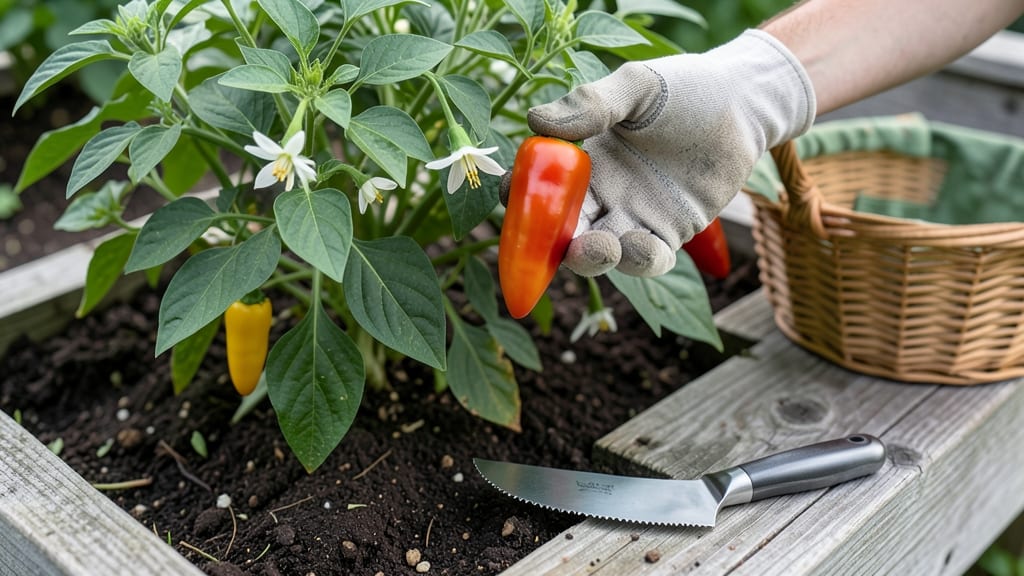
To pick jalapeño peppers at their peak heat and flavor, wait until they’re 3–6 inches long and snap easily when twisted—this is the sweet spot for fiery taste and yield.
Harvesting too early means bland, watery peppers, while waiting too long can turn them bitter or mushy. I’ve learned the hard way that timing isn’t just about size—it’s about the pod snap test, color shifts, and even heat exposure.
In this guide, I’ll break down the exact ripeness stages (from green to red), how to test firmness like a pro, and why July–October is your best window in Zone 6a. Spoiler: Picking at the right moment can double your spice intensity!
You’ll also discover how to store your harvest for maximum freshness and avoid the 5 biggest mistakes that ruin peppers before they’re ready. Ready to turn your 🌶️ garden into a heat factory?

How to use the jalapeño pod snap test for perfect ripeness
The jalapeño pod snap test is my go-to trick for determining peak ripeness—no fancy tools required! Simply twist the pepper gently at its stem. If it snaps cleanly with a slight resistance, it’s ready to harvest. This method reveals internal maturity that color alone can’t always show.
Timing matters because underripe jalapeños lack heat and flavor, while overripe ones lose their fiery kick. The pod snap test helps you avoid both pitfalls by checking the pepper’s structural integrity and moisture balance. Combine this with visual cues for foolproof results.
Here’s how to perform the test correctly—plus the exact ripeness indicators to watch for at every stage:
The pod snap test works because it tests the pepper’s cell wall integrity, which changes as it matures. Underripe peppers have tight, fibrous cells that resist twisting, while overripe ones become soft and mushy due to water loss.
Color is a secondary cue—green jalapeños are typically harvested before full ripeness for milder heat, while red or yellow varieties develop maximum capsaicin. But color alone isn’t reliable; some peppers stay green even when ripe. That’s where the snap test shines.
Common mistakes include testing too early (before 60 days) or ignoring size. Small peppers under 3 inches often fail the snap test because their cells aren’t fully developed. Always cross-reference length, firmness, and snap response for accuracy.
Pro tip: Perform the snap test in the morning when peppers are firmest. Avoid testing after rain or heavy watering, as excess moisture can give false results. Consistency is key!
Once you master this method, you’ll never guess again—your jalapeños will be perfectly ripe, packed with heat, and ready for your favorite recipes. Happy harvesting! 🌶️
Jalapeño pepper ripeness stages: when to harvest for heat vs. flavor
Jalapeño peppers undergo three distinct ripeness stages, each offering unique heat levels and flavor profiles. Understanding these stages helps you decide whether to harvest for maximum spice or balanced flavor. The transition from green to red isn't just about color—it's about capsaicin development and sweetness.
Green jalapeños are typically harvested first, offering a milder heat (2,500–5,000 Scoville units) and crisp texture. These are ideal for pickling or fresh salsas. As they mature, their heat intensifies and flavor deepens, but the window for peak harvest is narrow.
Waiting too long risks overripe peppers that lose heat and develop soft spots.
| Stage | Color | Size | Heat Level (Scoville) | Best For | Harvest Window |
|---|---|---|---|---|---|
| Green | Solid green | 3–5 inches | 2,500–5,000 SHU | Pickling, fresh salsas | 60–75 days |
| Light Green/Yellow | Yellowing tips | 4–6 inches | 5,000–8,000 SHU | Cooking, sauces | 75–85 days |
| Red | Deep red | 5–7 inches | 8,000–15,000 SHU | Drying, hot sauces | 85–90 days |
For maximum heat, aim to harvest jalapeños when they're deep red—this stage packs the most capsaicin (up to 15,000 Scoville units). However, red peppers also develop a sweeter, fruitier flavor, making them perfect for drying or hot sauces.
If you prefer milder heat, green peppers (2,500–5,000 SHU) are your best bet and can be harvested as early as 60 days after planting.
Pay close attention to the stem snap test: twist a pepper gently at its stem. If it snaps cleanly, it’s ready to pick.
A stubborn stem means it’s underripe, while a mushy feel signals overripeness. Morning harvests are ideal—peppers are cooler and firmer, preserving their crispness and flavor intensity.
Pro tip: Continuous harvesting encourages more peppers to mature. Remove overripe or damaged pods immediately to prevent pests and diseases from spreading. Store harvested jalapeños in a cool, dark place for up to 2 weeks or refrigerate for extended freshness. For long-term storage, freeze or dry them at peak ripeness.
Experiment with different stages to discover your favorite balance of heat and flavor. Whether you love the tang of green peppers or the depth of red, timing your harvest correctly ensures every bite packs the punch you crave. 🌶️