
How To
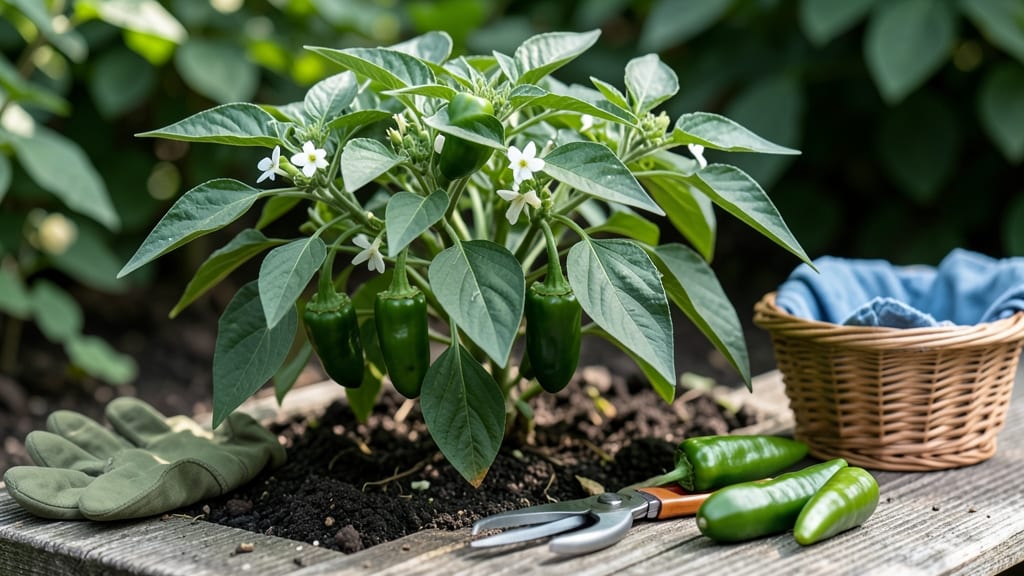
Picking jalapeño peppers at the right time means capturing their boldest heat and richest flavor—and missing it means ending up with bland, overripe pods that turn to mush in your hand.
I’ve seen gardeners pull jalapeños too early, only to watch them turn rubbery and lose their signature kick. Or worse, leave them on the plant too long, turning them into sweet, mushy shadows of their fiery selves. The key? Timing it by size, color, and firmness—not just guessing.
In this guide, I’ll walk you through the three exact checks to know when your 🌶️ jalapeños are prime for harvest, plus how to avoid the most common mistakes that ruin flavor and yield. No more second-guessing—just perfect peppers, every time.
You’ll learn how to spot the ideal moment by measuring length, testing firmness, and watching for color shifts—plus how temperature and plant maturity play a role. Ready to turn your harvest into a heat-packed success?

Jalapeño harvesting by size, color, and stem: the 3 key indicators
Timing your jalapeño harvest perfectly ensures maximum heat intensity and flavor development. Unlike bell peppers, jalapeños are best picked while still firm but fully mature—wait too long, and they lose their signature kick.
The three key indicators—size, color, and stem maturity—work together to signal peak ripeness. Ignore any one factor, and you risk bland, overripe, or underdeveloped peppers.
Most home gardeners focus on color changes alone, but that’s only part of the story. A green jalapeño can be ready to pick just as a red or purple one might be—it all depends on the variety and growing conditions.
For example, Early Jalapeño varieties often reach harvest size before turning red, while Red Jalapeño types need full color development. Understanding these three indicators lets you adjust your harvesting schedule based on your specific plants and climate.
Size is your first clue: jalapeños should measure between 3 to 5 inches in length when ready. Smaller peppers (2 inches or less) lack full flavor and heat potential, while oversized ones (beyond 5 inches) may become tough or lose their signature spice. Use a ruler or your hand as a guide—most mature jalapeños fit snugly between your thumb and pinky when held horizontally. This size range ensures the pepper has developed enough capsaicin (the compound responsible for heat) without becoming overripe.
Color is the second critical factor, but it varies by variety. Traditional green jalapeños are ready when their skin turns a deep, glossy green. Other varieties, like Red Jalapeños or Purple Jalapeños, need to reach their mature hue—red, purple, or even yellow—before picking. Pro tip: Color changes happen faster in hot climates, so monitor your peppers closely if temperatures exceed 85°F. In cooler regions, color development may take longer, and you might need to rely more on size and stem cues.
Here’s how the three indicators interact in real-world conditions:
The stem maturity is often the most overlooked indicator but is just as important as size and color. A ready-to-pick jalapeño’s stem should snap cleanly when you twist it gently near the base. If the stem resists or pulls away with a chunk of the pepper, it’s not ripe enough.
This test ensures the pepper has fully detached from the plant’s nutrients, which maximizes flavor and heat. Pro tip: Morning harvests are ideal because stems are firmer after overnight cooling, making the twist test more reliable.
Growing conditions play a huge role in these indicators. In hot, dry climates, jalapeños may mature faster, reaching harvest size in as few as 60 days, while cooler regions can extend the timeline to 90 days.
Pay attention to your plants’ growth rate: if your jalapeños are bolting (sending up flower stalks) quickly, they’re ready sooner. Conversely, if your plants struggle in shady conditions, they’ll take longer to mature, and you’ll need to rely more on stem and firmness cues than color.
One common mistake is waiting for jalapeños to turn red if you’re growing a green variety. Some gardeners assume red = ripe, but many jalapeños are bred to stay green while fully developing their heat.
Always check the variety description on your seed packet—if it’s labeled as a green jalapeño, harvest based on size and stem, not color. Similarly, overripe jalapeños (beyond 5 inches) lose heat and develop a mealy texture, so don’t let them linger on the plant.
To maximize your yield, harvest jalapeños
Common mistakes that ruin jalapeño flavor and heat (and how to avoid them)
Picking jalapeños too early or too late can turn your capsaicin-rich peppers into bland, watery disappointments. The heat and flavor peak at specific maturity stages, and missing them means losing the spicy kick you love.
I’ve learned the hard way—overripe peppers lose their punch, while underripe ones taste like grass. Let’s fix that!
One of the biggest mistakes is waiting until peppers turn red for maximum heat. While red jalapeños are sweeter, green jalapeños (picked at 70-80 days) pack the most capsaicin. If you’re growing early-season varieties in cooler climates, waiting for red might mean missing the harvest window entirely.
Another common error is ignoring stem maturity. A pepper ready to pick will have a dry, papery stem that snaps cleanly when twisted. If the stem stays green or bends instead of breaking, it’s not ready. This simple test saves you from picking underripe peppers that lack heat.
🌶️Callout Warning: Overripe jalapeños are a flavor crime! They become soft, wrinkled, and seedy, with heat levels dropping by up to 50%. Look for these red flags: dull skin, shriveled appearance, or stems that pull off with resistance.
These peppers are past their prime and best used for cooking—not fresh eating.
Climate plays a huge role too. In hot, dry regions, jalapeños mature faster, so check peppers every 3-4 days starting at 60 days. Meanwhile, in cooler zones, peppers may take 90+ days to reach peak heat. Adjust your harvesting schedule based on your USDA zone and variety.
Don’t forget the size rule: Ideal jalapeños are 3-5 inches long. Smaller peppers (2 inches) are underripe and lack heat, while oversized ones (>5 inches) often taste milder and mealy. Use a ruler or tape measure to track growth—it’s the easiest way to avoid guesswork.
Pro tip: Harvest in the morning when peppers are cool and firm. This ensures you’re picking at their peak freshness and heat. Store them in a paper bag in the fridge for up to a week, or freeze for long-term spice storage.
Now you’re ready to grow jalapeños that pack real heat!