
How To
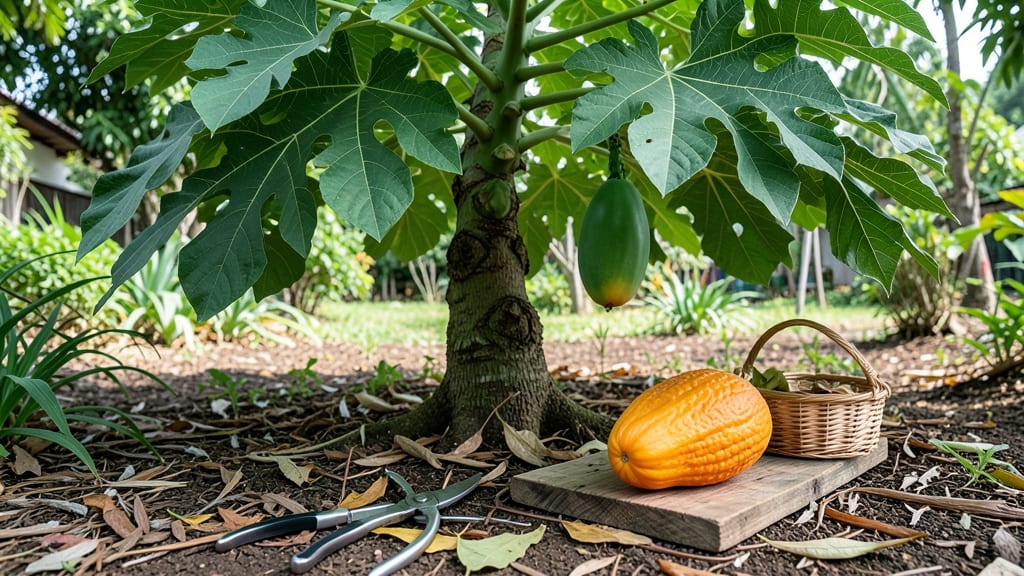
To pick papaya from tree at the perfect time, watch for a shift from green to deep yellow or orange—this color change is your first clue the fruit is ready.
Picture this: you’ve waited nearly a year for your 🍈 to ripen, only to cut it open and find it still hard or mealy. That’s the frustration of picking too early or too late, and it’s completely avoidable with the right cues.
Beyond color, feel the skin—it should give slightly when pressed, like a ripe avocado, and the stem near the fruit should turn brown and dry. These three simple tests take just seconds but make all the difference in flavor and texture.
In this guide, I’ll break down the exact visual and tactile signs of ripeness, regional timing tips, and how to harvest without damaging your tree or fruit—so you end up with sweet, juicy papayas every time.

3 Visual and tactile tests to determine papaya ripeness
Papayas are tropical delights, but knowing when to pick papaya from tree can be tricky. Unlike some fruits, they don’t ripen well after harvest, so timing is everything. A green papaya is bitter and underdeveloped, while an overripe papaya turns mushy and loses its vibrant flavor.
Mastering these three simple tests ensures you harvest at peak sweetness and texture.
The first clue is color change. Most papayas start green and transition to yellow, orange, or pinkish hues depending on the variety. For example, Solo papayas turn golden-yellow, while Red Lady varieties develop a deep salmon blush.
Watch for these shifts over 2-4 days—they’re your first sign the fruit is nearing ripeness.
🌱
Next, use your tactile sense to confirm ripeness. Gently press the papaya’s skin with your thumb—it should give slightly, like pressing a ripe avocado. If the skin feels firm and unyielding, the fruit isn’t ready.
Conversely, if it feels too soft or mushy, it’s overripe. This test is especially critical for green-skinned varieties, which can fool you with their color alone.
Avoid the mistake of harvesting based on fruit size alone. Some papayas grow large but remain hard and tasteless if picked too early. Instead, combine the color test, texture test, and stem test for accuracy.
For example, a 5-inch papaya with yellow skin and a slightly soft texture is ready, while a 7-inch papaya that’s still green and rock-hard needs more time.
Pro tip: Smell the stem end—a ripe papaya emits a sweet, tropical aroma. If it smells bland or sour, it’s not ready. This scent is your final confirmation that the fruit’s sugars have fully developed.
Ignoring this cue often leads to underripe papayas that lack sweetness or overripe ones that turn to mush.
Regional variations matter too. In tropical climates like Hawaii or Florida, papayas ripen year-round, but in cooler zones (Zone 9-10), they may take longer to color up. If you’re growing papayas in a greenhouse or container, monitor ripeness closely—indirect sunlight can slow color development.
Use a grow light to supplement if needed, but avoid over-ripening by harvesting promptly.
Common mistakes include picking papayas based on calendar dates or assuming all varieties ripen the same way. For instance, Hawaiian varieties ripen faster than Caribbean types.
Always cross-reference the three tests above to avoid disappointment. Overripe papayas can be saved for smoothies, but underripe ones won’t improve off the tree.
Once you’ve confirmed ripeness, harvest carefully to avoid damaging the fruit. Use a sharp knife or pruners to cut the stem, leaving a small portion attached. This prevents bruising and extends shelf life.
Store ripe papayas at room temperature for 2-3 days or refrigerate to slow ripening if you’re not ready to eat them.
🍈
How to harvest papayas safely without damaging the fruit or tree
Once your papaya reaches the perfect ripeness, the next challenge is removing it from the tree without causing damage. Papaya fruits are delicate, and rough handling can lead to bruising, disease entry points, or even dropping prematurely.
The right technique ensures you get a pristine fruit while keeping your tree healthy for future harvests.
Always use clean, sharp tools to minimize stress on the fruit and tree. A pruning shears or sharp knife is ideal for cutting the stem, while a gentle twist works for smaller, softer fruits.
Avoid pulling too hard—this can tear the fruit or damage the tree's branches. Timing matters too; harvest in the morning when the fruit is cool and firm.
⚠️ callout warning ⚠️
⚠️ Critical Mistakes to Avoid When Harvesting
- Don't wait until fruit is overripe—papayas don't ripen further after picking. Overripe fruit becomes mushy and attracts pests.
- Avoid using dull tools—they crush the fruit and create entry points for bacteria. Always sterilize blades with rubbing alcohol.
- Never pull the fruit—this can tear the skin or damage the tree's vascular system, reducing future yields.
🌱 Pro Tip: If the fruit detaches easily with a slight twist, it's ready. If it resists, wait 1-2 days.
For most papaya varieties, the best method is to make a clean cut about 1-2 inches above the fruit's stem. Use a sterilized pruning shears to avoid introducing pathogens. Hold the fruit firmly with one hand while cutting with the other to prevent it from slipping.
This technique also helps the tree heal faster by sealing the wound cleanly.
If you're dealing with a smaller fruit or a delicate variety like 'Solo' papayas, try the twist-and-pull method. Grip the fruit firmly near the stem and twist gently while pulling downward.
The stem should separate cleanly at the base. If it doesn't, wait another day or two—the fruit may not be fully ripe yet.
After harvesting, inspect the fruit for any bruises or cuts. These are prime spots for bacterial or fungal infections. If you find damage, use the papaya immediately or store it in a cool, dry place.
For undamaged fruits, place them in a paper bag with a banana or apple to speed up ripening naturally.
Once you've harvested, don't forget to care for your papaya tree. Prune any damaged branches or leaves to improve airflow and reduce disease risk. With proper post-harvest care, your tree will continue producing fruit for months to come.