
How To
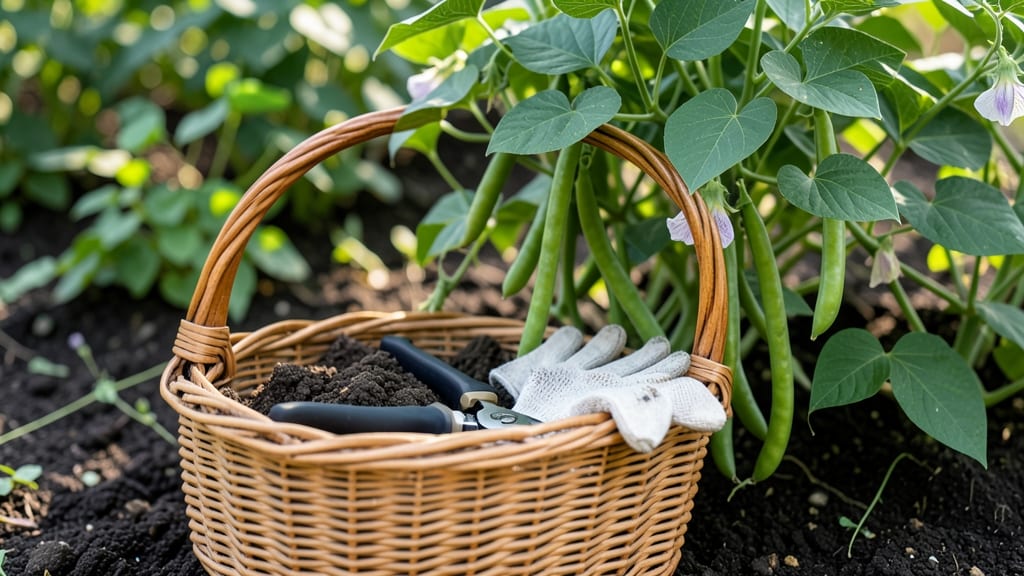
To pick string beans at their sweetest and crispest, watch for pods that are 4–6 inches long with tiny, barely visible seeds inside.
You’ve probably noticed those tender pods turn woody in just 24 hours—that’s why timing matters so much. The trick is checking them every 2–3 days to catch the perfect window.
Beyond size, feel for firmness and snap: a ripe pod should bend slightly but not break, with a clean snap when pinched. Avoid harvesting in the heat of the day, as the pods can taste bitter.
In this guide, I’ll break down the 3 tactile tests to nail the ideal harvest time, plus how often to pick for maximum yield—so you never miss the sweet spot again.

3 Tactile tests to determine perfect string bean ripeness
Harvesting string beans at the right moment ensures crisp, sweet pods packed with flavor. The key lies in your hands—literally! These three simple tactile tests let you feel the difference between perfect ripeness and overmaturity.
I’ve used them for years to avoid tough, stringy beans that ruin even the best recipes. The secret? Timing and touch—no fancy tools required.
String beans are annual plants that mature quickly, typically within 50-60 days after planting. But don’t let their speed fool you—missing the window by even a day can turn tender pods into woody messes.
That’s why these tests work: they focus on physical cues you can check in seconds while you’re weeding or watering. No guesswork, just results.
- 1 Pod Length Check: Hold a pod between your thumb and forefinger. Ready-to-pick beans measure 4-6 inches. If shorter than 3 inches, they’re underripe—wait 2-3 days. Over 6 inches? You’ve missed the boat!
- 2 Finger Pressure Test: Gently squeeze the pod. Perfect beans yield slightly to pressure but don’t dent. If it feels spongy, harvest now. If it’s rock-hard, it’s past its prime. Pro tip: Press near the stem end for the best feel.
- 3 Flexibility Snap: Bend the pod gently. Ready beans snap cleanly like a green twig. If it bends without snapping, it’s too young. If it resists or feels fibrous, it’s overripe. This test is my favorite—it’s foolproof!
Let’s break down the pod length check first. Most string bean varieties hit peak flavor when pods reach 4-6 inches. Use a ruler or your hand as a guide—hold your thumb and pinky apart to visualize 4 inches.
If the pod fits snugly, it’s ready. Shorter pods lack sweetness, while longer ones develop stringy fibers that turn even the best dishes rubbery.
The finger pressure test reveals the bean’s internal texture without cutting it open. Press gently near the stem end—this area is the most tender. A perfect pod should feel firm but yielding, like a ripe cucumber.
If it leaves an indentation, harvest immediately. If it feels like pressing a stress ball, it’s too late. This test works especially well in low-light conditions when color cues fade.
My go-to method is the flexibility snap, because it combines two key traits: tenderness and maturity. Hold the pod between your hands and bend it gently at a 45-degree angle. A crisp snap means you’ve nailed it.
If it bends like a noodle, wait another day. If it cracks with resistance, toss it—those beans are past their prime. This test is non-negotiable for me, especially with pole beans, which can hide behind foliage.
Here’s a pro tip: Harvest in the morning when pods are cool and crisp. Heat during the day can make them softer, throwing off your tactile tests. I always carry a small basket while checking my plants—this keeps harvested beans in the shade until I can process them.
And remember, frequency matters. Picking every 2-3 days encourages more production, so don’t skip this step!
For bush beans, which produce all their pods at once, these tests are even more critical. Since they don’t continue flowering like pole beans, timing your harvest window is everything. If you miss it, you’ll end up with a single tough harvest instead of weeks of tender pods.
That’s why I always mark my planting dates and set reminders for the 50-60 day mark—it’s my secret to success.
One common mistake I see is relying solely on color cues. While ripe beans are usually a vibrant green, some varieties (like Purple Podded Beans) change color as they mature. That’s why tactile tests are superior—they work for all varieties, regardless of pod color.
Plus, they account for environmental factors like temperature fluctuations or soil moisture, which can speed up or slow down ripening.
To practice these tests, grab a few pods from your garden (or a farmers’ market) and try them out. Compare a perfectly ripe bean with one that’s clearly overripe.
The difference in texture is night and day. Once you’ve mastered these tactile checks, you’ll never second-guess your harvest timing again. Happy picking—your taste buds will thank you!
String bean harvesting mistakes that ruin your pods
Picking string beans at the wrong time turns your crisp, sweet harvest into tough, stringy disappointment. Overripe pods develop woody fibers and starchy seeds, while underripe beans lack flavor and nutrients.
Even experienced gardeners fall into these traps—especially when seasonal heat accelerates maturity. The key is recognizing the 3-day window between perfect tenderness and ruin, and knowing how to spot it.
Most gardeners assume "bigger is better," but oversized pods (6+ inches) signal overmaturity. Similarly, harvesting too early (pods <3 inches) means bland, watery beans that won’t satisfy. Seasonal variations complicate things too—cool spring beans mature slower, while summer heat speeds up the process. Without adjustments, you’ll miss that sweet spot where pods snap cleanly and seeds are barely visible.
🌱 Critical Harvesting Mistake: The 48-Hour Rule
Never wait more than 48 hours after pods reach ideal size (4-6 inches). After this window, fibers harden and sugars convert to starches. Check plants every 2-3 days—morning harvests yield the sweetest flavor since beans absorb dew overnight, diluting natural sugars.
💡 Pro Tip: Use a magnifying glass to inspect seed visibility through the pod skin. Tiny, barely-there seeds = perfect timing.
Seasonal timing also plays a role in pod quality. Early spring beans often need 2-3 extra days to mature due to cooler soils, while late summer plants may bolt faster in heat.
Watch for leaf color changes—yellowing lower leaves signal overmaturity, but green leaves with slight wilting mean it’s time to harvest. Ignoring these cues leads to fibrous, less flavorful pods that even cooking can’t salvage.
Harvesting at the wrong time of day affects sweetness too. Morning harvests (before 10 AM) capture beans at peak sugar content, while afternoon picking can yield 20% less sweetness. This is because beans photosynthesize during daylight, converting sugars into starches.
For the best flavor, always harvest in the morning and store pods in the fridge immediately to slow sugar conversion.
Another common mistake is harvesting unevenly—picking some pods while leaving others to overripe. This disrupts the plant’s energy flow, reducing future yields. Always harvest every pod that meets size criteria (4-6 inches) in a single session.
For pole beans, work from the bottom upward to avoid breaking tender stems. Bush varieties can be harvested by hand or with shears, but never pull entire plants—this stresses roots and limits future production.
To avoid these pitfalls, create a harvest schedule based on your climate. In Zone 6a, start checking pods at 50 days after planting, with peak harvest between June and August. Use a small notebook to track pod sizes and flavors—this helps you adjust future planting times.
With practice, you’ll develop a tactile intuition for the perfect snap and sweetness that separates great harvests from good ones.