
Vegetables
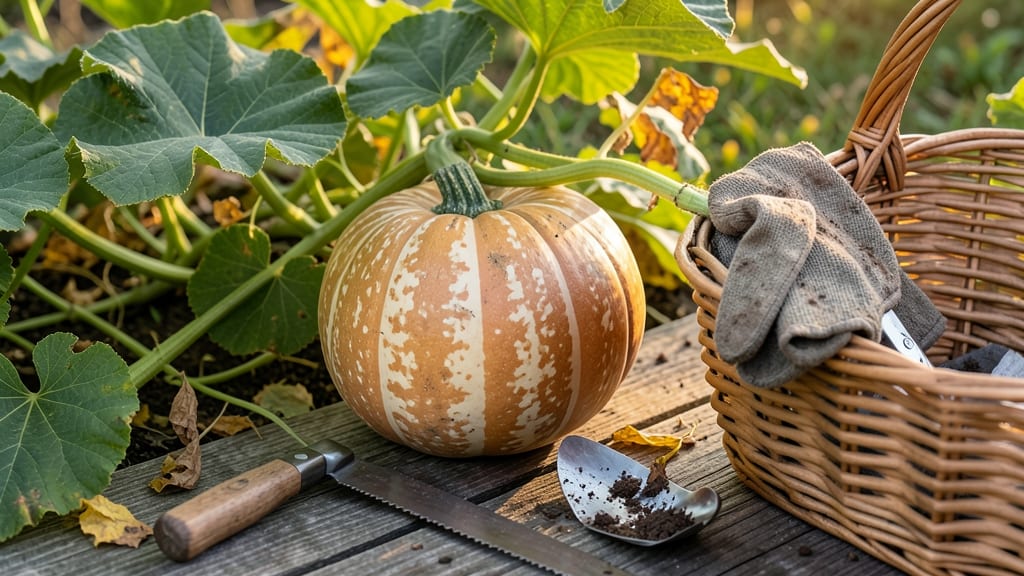
The time to harvest winter squash arrives when the rind hardens and the stem dries where it meets the fruit 🎃 — missing this window means tough, bland flesh instead of sweet, storable perfection.
Picture this: you’ve spent months tending to your vines, and now the fall harvest is within reach. But how do you know when your squash is truly ready? The answer lies in two key signals: a stem that snaps cleanly and seeds that darken inside.
Get these wrong, and you might end up with squash that’s either too soft or too woody.
Not all winter squash varieties mature at the same time, though. Butternut squash, for example, typically needs 90 days to reach peak ripeness, while acorn squash can be ready in as few as 80 days.
Regional differences also play a role — in cooler climates like USDA Zone 6a, you’ll want to harvest earlier to avoid the first frost.
In this guide, I’ll walk you through how to test for readiness, adjust for your climate, and even cure your squash for long-term storage. By the end, you’ll know exactly when to pick your perfectly ripe winter squash — no guesswork involved.
How to identify winter squash harvest time by stem & seed signs
Winter squash like butternut, acorn, and pumpkin reach peak flavor when harvested at the right moment. The two most reliable indicators are stem shattering and seed darkening, but misreading these signs can lead to overripe or underripe fruit.
Let’s break down how to test these cues accurately—plus how to troubleshoot false signals from pests or weather.
First, focus on the stem attachment. A ready-to-harvest squash will have a stem that dries and shatters when gently twisted. This happens because the plant stops sending nutrients to the stem, causing it to shrink and harden.
If the stem bends but doesn’t snap, your squash needs 1-2 more weeks to mature. Pro tip: Use a pruning shear to test—if the stem breaks cleanly, it’s harvest time.
Next, check the seeds inside. Cut open a squash (or a small test piece) to inspect the seeds. Fully ripe seeds will be dark brown or black, while underripe seeds stay light tan or white.
This color change signals the squash has reached its sugar peak. If seeds are still pale, wait 7-10 days before harvesting again. Overripe seeds turn grayish or moldy, a clear sign to harvest sooner next time.
🔍 Troubleshooting tip: Pests like squash vine borers can mimic stem drying by causing premature shriveling. If the stem looks dry but the squash feels soft or spongy inside, it’s likely infested.
Cut open the stem—if you see larvae or sawdust-like frass, treat the plant immediately and harvest any unaffected squash.
| Sign | Ready for Harvest | Not Ready | False Signal? |
|---|---|---|---|
| Stem Condition | Dries, shrinks, snaps cleanly | Flexible, green, bends without breaking | Pest damage (borers), extreme heat |
| Seed Color | Dark brown/black | Light tan/white | None (seeds don’t lie!) |
| Rind Texture | Hard, resists thumbnail | Soft, dents easily | Fungal spots, uneven watering |
| Vine Health | Yellowing, dying back | Green, actively growing | Nutrient deficiency, early frost |
Weather plays a sneaky role in harvest timing. Hot, dry spells can accelerate stem drying, while cool, wet conditions may delay it. If your squash is in a humid climate, stems might stay green longer—test readiness by combining both stem and seed signs.
For example, if seeds are dark but the stem isn’t dry, give it 3-5 more days in dry weather to finish maturing.
Another common mistake? Harvesting too late because the vines have died back. While yellowing vines signal maturity, some varieties (like butternut squash) can overripen quickly once vines collapse.
If the squash feels light for its size or the skin has soft spots, it’s past its prime. Always prioritize the stem and seed tests over vine color alone.
For large varieties like pumpkins, use a harvest fork to lift squash from the vine—never drag them, which can cause bruising. Smaller squash (e.g., acorn or delicata) can be twisted off by hand.
After harvesting, let squash cure in the sun for 3-5 days to harden the skin further, which improves storage life. Skip this step, and you risk rot or shriveling within weeks.
🌱 Pro tip: Keep a harvest journal to track when your squash matures each year. Note the first frost date, <
Optimal harvest timing by winter squash variety (with calendar guide)
Not all winter squash varieties ripen at the same time, so knowing your specific variety is key to harvesting at peak flavor. Butternut squash, for example, typically matures 90-100 days after planting, while acorn squash may be ready in just 85-95 days.
Pumpkins, especially giant varieties, can take 100-120 days or longer. These differences mean your harvest window could shift by weeks depending on what you're growing.
Your climate zone also plays a huge role. In Northern climates (USDA Zones 3-6), frost arrives earlier, so you’ll need to harvest acorn squash by late September and butternut squash by mid-October. Meanwhile, in Southern climates (Zones 7-10), you might have until November to enjoy a longer harvest season.
Adjusting for early or late planting can also shift your timeline by 2-3 weeks—so keep track of your planting date!
If you planted your squash early (e.g., in May), you might harvest 2-3 weeks sooner than the average timeline. Conversely, a late planting (June or later) could delay harvest by 3-4 weeks.
Always check your local frost dates—harvesting before the first frost ensures your squash stays sweet and storable. In Zone 5, that might mean pulling acorn squash by September 15, while in Zone 8, you could wait until October 30.
Pro tip: Mark your planting date on a calendar and count backward from your expected harvest window. For example, if you’re growing butternut squash in Zone 6 and want to harvest by October 1, plant seeds by mid-June to stay on schedule.
This simple trick helps avoid the rush of harvesting too late or too early.
Don’t rely solely on days-to-maturity labels—always check visual cues like rind hardness and stem drying. A squash that’s physically ready will outshine one harvested just because the calendar says so.
For example, a butternut squash with a hard rind and dry stem is perfect, even if it’s a few days early.
For longer storage, prioritize harvesting when your squash is fully mature but before any signs of overripening, like soft spots or cracks. Properly cured and stored, your winter squash can last 2-6 months—making your harvest timing even more critical for enjoying homegrown goodness through the winter months.