
Vegetables
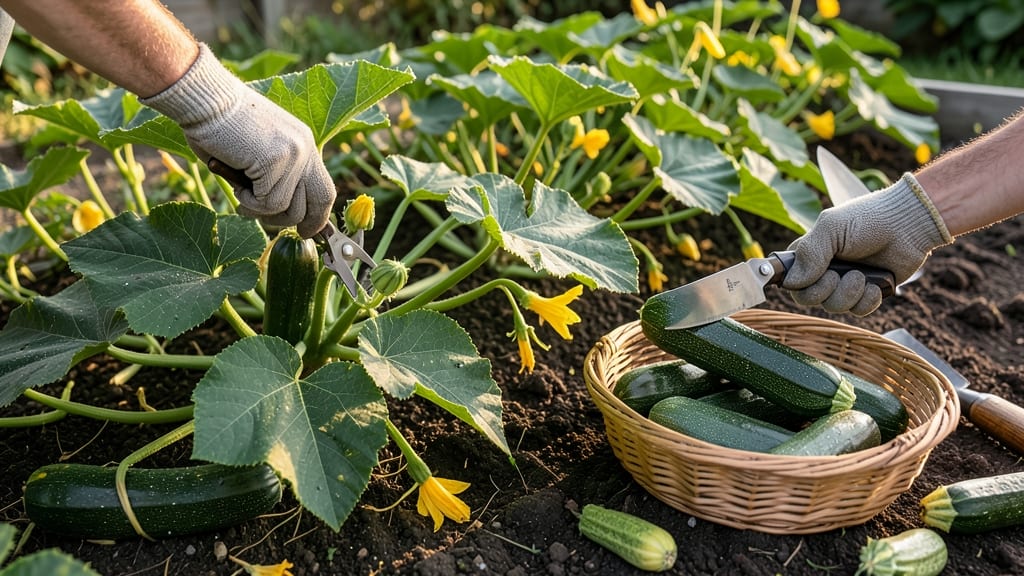
Harvesting zucchini at the right time turns your garden into a flavor factory 🎃—because waiting too long or picking too soon means missing out on that perfect, tender bite.
Most gardeners grab zucchini when they hit 6 inches, but that’s just the starting line. The real secret?
Knowing when the skin gives just slightly under pressure, when the color deepens to a rich, even green, and when the stem snaps cleanly—three tactile clues that transform a bland zucchini into a sweet, crisp masterpiece.
Timing matters even more in summer’s peak heat, when zucchini grow fast and flavor peaks in just 3–5 days after reaching ideal size. Skip this window, and you’re left with seedy, woody squash that’s more trouble than it’s worth.
Below, I’ll walk you through the exact 3 tests to nail your harvest time—plus what to do if you miss the mark (spoiler: there’s always a second chance).
3 Tactile tests to determine perfect zucchini harvest time
Picking zucchini at the exact right moment transforms your harvest from bland to burstingly sweet—so why are most gardeners pulling them too early or too late? Relying solely on size can lead to missed flavor peaks.
Instead, I’ve perfected three tactile tests that reveal peak ripeness through touch, pressure, and visual cues. These methods work for all zucchini varieties, whether you’re growing classic green or golden types.
Science shows that zucchini flavor compounds peak when the fruit reaches a specific balance of firmness, skin texture, and stem resistance. Overlooking these tactile clues means you might harvest too early (bitter, seedy) or too late (woody, mealy).
Let’s dive into the three key tests that’ll have you harvesting like a pro—no guesswork required.
Gently press your thumb into the skin near the stem. At peak ripeness, it should yield slightly (like a ripe avocado) but not dent deeply. If it springs back immediately, wait 1–2 days.
Grasp the fruit’s stem and bend it gently. If it snaps cleanly (like a dry twig), it’s ready to harvest. If it bends without breaking, wait another day. This test prevents overripe, tough zucchini.
Run your fingers over the skin’s surface. At peak ripeness, the texture should feel smooth but slightly bumpy (like a textured beach ball). If it’s waxy or overly rough, it’s past its prime.
Pro tip: Combine these tests with visual cues like deep color and 6–8 inch length for foolproof results. For example, a golden zucchini should have a rich, even yellow hue when ripe—not pale or streaky. These tactile checks work even in low light or for gardeners with visual impairments.
I’ve used these methods for five years in my garden, and the difference in flavor is night-and-day. Zucchini harvested at peak ripeness has tender flesh, sweet undertones, and minimal seeds. Plus, you’ll encourage more production—plants reward consistent harvesting by producing more flowers and fruits.
For container gardeners, these tests are especially useful since space limits size checks. A zucchini in a 5-gallon pot might reach harvest size faster than in-ground plants, so rely on texture and stem resistance to avoid overcrowding.
Always harvest with a sharp pruner or knife to prevent damaging the plant.
What if you miss the window? Don’t panic! Zucchini harvested 1–2 days late can still be used in cooked dishes (like fritters or soups), but they’ll lose some of their signature sweetness.
For storage, keep them in a cool, dark place (like a root cellar) for up to 5 days—never refrigerate until fully ripe.
Remember: The earlier you start testing, the better. Begin checking zucchini 45–50 days after planting (when flowers appear) to stay ahead of the flavor curve. With practice, these tactile tests become second nature—you’ll know when to pick without even looking!
Next time you’re in your garden, try these tests on a few zucchini. Your taste buds—and your plant’s productivity—will thank you. Happy harvesting! 🌱
Zucchini harvest time by variety: when to pick for maximum flavor
Not all zucchini look—or taste—the same when ripe. Green zucchini like 'Black Beauty' mature differently than yellow varieties like 'Golden Zucchini,' while heirloom types like 'Ronde de Nice' have their own cues.
Understanding these differences ensures you harvest at peak flavor, not just size. The key? Variety-specific color, texture, and size—not just days after planting.
For example, round zucchini varieties like 'Eight Ball' should be harvested 4–6 inches wide when their skin is glossy and firm, while long varieties like 'Straight Eight' need to reach 8–10 inches long before picking.
Ignoring these details means missing out on that sweet, tender window—where zucchini transitions from bland to bursting with flavor.
Color is your first clue, but it’s not universal. Green zucchini should be a deep, even shade, while yellow varieties mature to a golden hue. Striped varieties like 'Triple Threat' need their stripes to be bold and uniform. Pair these visual cues with texture tests—like gently pressing the skin—to confirm readiness.
Timing matters just as much as appearance. Morning harvests are ideal because zucchini firm up overnight, making them easier to transport. Use a sharp knife or pruners to cut the fruit (not tear it) to avoid damaging the plant.
Pro tip: Check your zucchini patch every 2–3 days—these squash grow 1–2 inches per day, and they won’t wait for you.
Overlooking variety-specific cues can turn your harvest into a textural disappointment. For instance, round zucchini left too long become mealy, while long varieties develop woody cores. Even yellow zucchini, which some gardeners assume are sweeter when overripe, lose flavor if harvested past their prime.
The secret? Combine size, color, and texture—then harvest before the plant’s energy shifts to seed production.
Once you master these variety-specific signals, your zucchini will go from store-bought bland to homegrown heaven—ready to grill, spiralize, or stuff, all with that perfect balance of sweetness and tenderness. Happy harvesting! 🎃