
Trees
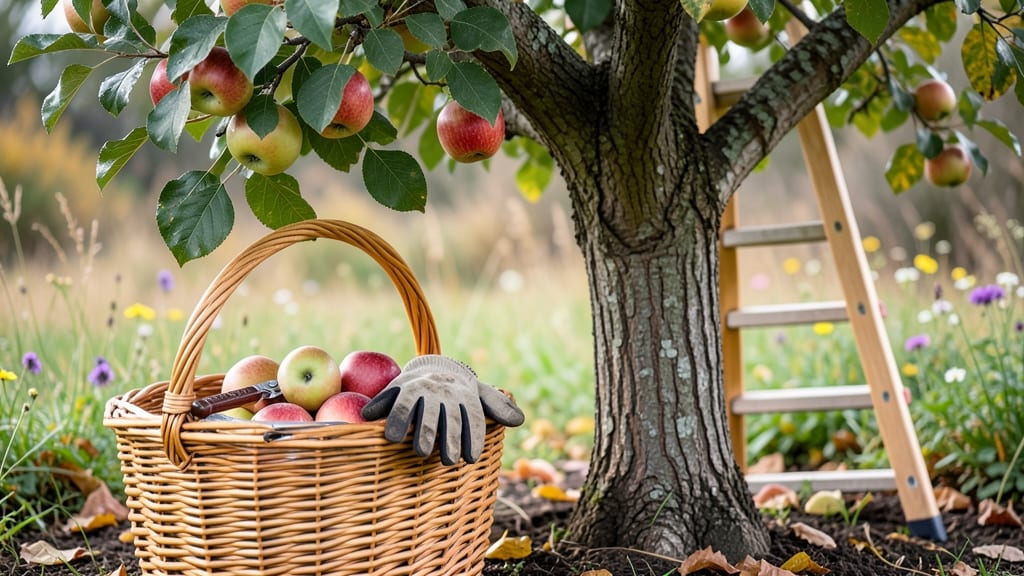
Harvesting apples at the right time ensures you get the sweetest, crispest fruit possible—knowing the exact apple tree harvest time for your variety is the secret to a perfect crop.
Picture this: You’ve waited all season, and now your 🍎 trees are heavy with fruit. But if you pick too early, you’ll end up with bland, mealy apples.
Too late, and they’ll fall to the ground, bruised and wasted. The difference between a stellar harvest and disappointment often comes down to timing.
Most apple varieties ripen between September and October, but the exact moment depends on when they bloomed, your local climate, and even the specific type of apple.
For example, Honeycrisp and Fuji typically need about 150–180 days after full bloom, while Granny Smiths can take closer to 200 days.
In this guide, I’ll break down the ideal harvest windows by variety, how to test ripeness beyond just counting days, and the common mistakes that ruin a harvest—so you can enjoy apples at their peak every year.

Apple tree harvest time: exact weeks after blooming by variety
Getting your apple harvest timing right means the difference between sweet, crisp fruit and bland, mealy disappointment. Most gardeners count weeks after full bloom to predict harvest windows, but the exact timing varies dramatically by apple variety and USDA zone.
In my Zone 6 garden, Honeycrisp apples might be ready in 14-16 weeks, while Granny Smiths need 20+ weeks to reach peak flavor. These differences come from each variety's unique growth cycle and cold requirement needs.
Regional adjustments are critical—trees in warmer zones (8-9) often mature 2-4 weeks earlier than those in cooler zones (5-6). For example, a Fuji apple in California (Zone 9) might be harvest-ready in 12 weeks, while the same variety in Minnesota (Zone 4) could take 18 weeks.
Always account for your local last frost date and average first frost when planning harvests, especially for late-season varieties like McIntosh or Cortland.
Here’s the key: Count from full bloom, not from planting day. Full bloom occurs when 80% of blossoms have opened, typically in late April or May in most US regions. Use this timeline as your starting point, then adjust based on your microclimate and tree maturity.
Young trees (under 5 years) may need 1-2 extra weeks to reach harvest readiness compared to mature specimens.
| Variety | Weeks After Full Bloom (Zone 5-6) | Weeks After Full Bloom (Zone 7-9) | Harvest Window | Best For |
|---|---|---|---|---|
| Honeycrisp | 14-16 | 12-14 | Late Sept - Early Oct | Fresh eating, storage |
| Fuji | 16-18 | 14-16 | Mid-Sept - Late Oct | Long-term storage |
| Gala | 12-14 | 10-12 | Early Sept - Mid-Sept | Fresh eating |
| Granny Smith | 20-22 | 18-20 | Late Oct - Nov | Storage, baking |
| Jonathan | 18-20 | 16-18 | Mid-Sept - Early Oct | Cider, fresh eating |
| McIntosh | 16-18 | 14-16 | Late Aug - Sept | Short-term storage |
| Red Delicious | 15-17 | 13-15 | Early Sept - Mid-Sept |
How to test apple ripeness: 3 key methods beyond just counting weeksCounting weeks after blooming gives a rough estimate, but true apple ripeness requires hands-on testing. Some varieties like McIntosh need careful timing for storage potential, while Red Delicious ripens earlier—missing these cues means sacrificing flavor and texture. I’ve used these three methods for years to perfect my harvest, and they’ll help you avoid bitter, underripe fruit or overly soft apples. Don’t rely solely on color charts or calendar dates—environmental factors like temperature swings and rainfall dramatically affect ripening. For example, a late spring frost can delay maturity by 2-3 weeks in Honeycrisp apples. Instead, combine these tests for accuracy: the twist test, stem color assessment, and seed brownness check. Each method reveals critical clues about your apples’ readiness. 1
Twist Test
Gently grasp an apple near the stem and twist. If it detaches easily with a slight pop, it’s ready. For storage varieties like McIntosh, wait until 80% of apples pass this test—overripe fruit bruises quickly. 2
Stem Color
Check the stem’s base: green stems mean unripe fruit, while brown or dry stems signal readiness. Early harvesters like Red Delicious often show stem browning 1-2 weeks before full color development. 3
Seed Brownness
Cut an apple crosswise and check the seeds: fully brown seeds mean ripe fruit. For late-season varieties like Granny Smith, seeds may stay partially white—wait until 50% are brown before harvesting. Pro tip: Test 3-5 apples daily from different branches—ripeness varies even within the same tree. I mark my test apples with a toothpick to track progress without damaging the fruit. For storage varieties, prioritize apples that pass all three tests but still have firm skin to ensure long-term crispness. Regional adjustments matter too. In cooler climates (USDA zones 5-6), apples like Fuji may take 2-3 extra weeks to ripen compared to warmer zones (7-9). If your area experiences early frosts, harvest storage apples before the first frost date—even if they’re not fully ripe, they’ll finish maturing indoors at room temperature. One common mistake? Harvesting based on color alone. A Gala apple might look ripe but taste bland if picked too early—always combine color with the twist test. For tart varieties like Granny Smith, wait until the skin develops a slight yellow tint alongside green, even if the seeds aren’t fully brown. Remember: Patience pays off. A well-timed harvest means apples that stay crisp for months in storage, while rushed picking leads to mealy texture and wasted fruit. Use these methods to confidently time your harvest—whether you’re aiming for fresh eating or long-term storage. Happy picking! 🍎✂️ |