
Picking
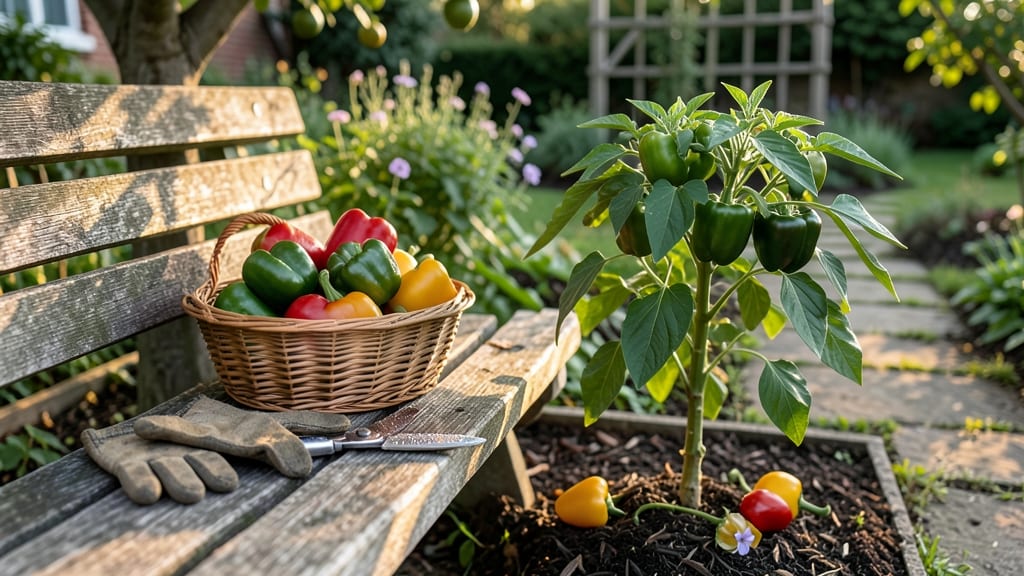
Timing your bell pepper harvest right is the difference between bursting flavor and bland disappointment — and it all starts with understanding their color-coded ripeness stages.
Did you know your bell peppers’ color isn’t just for looks—it’s a precise indicator of when to harvest for maximum flavor and yield? Mastering these stages transforms your garden from good to exceptional.
From glossy green to vibrant red, each hue signals a different flavor profile and nutritional peak. In Zone 6a, where spring planting kicks off in April, peppers typically reach harvest readiness between 60-90 days after transplanting — but color is the real game-changer.
Below, I’ll break down exactly what to look for at each stage, how climate affects timing, and the one simple trick to keep your peppers producing until October.


Bell pepper ripeness stages by color: when to harvest for optimal flavor
Harvesting bell peppers at the right time ensures peak flavor and nutritional value. The color shift isn't just cosmetic—it signals sugar content and ripeness. For example, green peppers are harvested early, while red varieties develop maximum sweetness when fully ripe.
Understanding these stages helps you decide whether to pick for fresh eating or let them mature further.
Each color stage offers unique benefits. Green peppers are crisp and slightly tart, perfect for stir-fries, while red peppers contain up to 11 times more vitamin C and a sweeter profile. Yellow and orange varieties fall in between, with balanced flavors and vibrant colors.
Even purple bell peppers (like 'Black Beauty') transform into red when fully ripe but start with a distinct hue.
Here’s how to identify the perfect harvest window for each stage, including flavor profiles, nutritional peaks, and variety-specific tips:
| Color Stage | Flavor Profile | Nutritional Highlight | Harvest Time (Days After Planting) | Best Varieties |
|---|---|---|---|---|
| Green | Crisp, tart, slightly bitter | High in folate; lower sugar | 60–75 days | California Wonder, Early Prolific |
| Yellow | Sweet, fruity, mild heat | Rich in vitamin C; moderate sugar | 75–85 days | Lemon Drop, Golden Summer |
| Orange | Balanced sweetness; carrot-like | High beta-carotene; vitamin A | 80–90 days | Orange Blaze, Sweet Banana |
| Red | Deep sweetness; rich, jammy | Peak vitamin C; 11x more than green | 85–90+ days | Red Knight, King of the North |
| Purple | Earthy, slightly tart (turns red when ripe) | Anthocyanins (antioxidants); vitamin K | 70–85 days (purple stage) | Black Beauty, Purple Beauty |
Green peppers are the most common early harvest, ideal for quick-cooking dishes like fajitas or salads. They’re harvested when firm and 3–4 inches long, typically 60–75 days after transplanting. Varieties like California Wonder stay green unless left to ripen further. For jalapeños, harvest when 2–3 inches long for maximum heat.
Yellow and orange peppers develop their vibrant hues as they mature, signaling increased sugar content. Yellow varieties like Lemon Drop are sweeter than green but less so than red. Orange peppers, such as Orange Blaze, offer a carrot-like flavor and peak at 80–90 days. These colors appear 10–15 days after green, so patience pays off in flavor.
Red peppers are the gold standard for sweetness and nutritional density. They contain 11 times more vitamin C than green peppers and develop a jammy texture when fully ripe. Varieties like Red Knight take 85–90 days to reach peak ripeness. If you’re growing for long-term storage, red peppers hold up best due to their thicker walls.
Purple peppers are a unique twist, starting deep purple before turning red. They’re rich in anthocyanins, antioxidants that give them their color. Harvest them when fully purple for an earthy flavor, or wait for red for sweetness. Black Beauty is a popular purple variety that transforms beautifully as it ripens.
Pro tip: Harvest in the morning when peppers are cool and crisp. Use a clean pair of pruners or twist gently to avoid damaging the plant. For continuous harvests, pick peppers regularly—this encourages more flowers and fruit.
If you miss the color cue, check for glossy skin and a slight give when squeezed.
Climate matters too! In hotter regions, peppers may ripen faster, while cooler climates can slow the process. If frost threatens before pe
How to tell when bell peppers are Really Ready: Beyond the Color Chart
Color alone isn’t always enough to determine if your bell peppers are truly ready for harvest. While green, red, and yellow peppers each signal different ripeness stages, the real secret lies in their texture and size.
A pepper might look perfect but still need a few days—or worse, it could be past its prime. I’ve learned the hard way that skipping these subtle cues can mean sacrificing flavor and even yield.
Start by checking for a glossy sheen on the pepper’s skin. Mature peppers develop a slight shine, especially in the morning after dew dries. This isn’t just about looks—it’s a sign the pepper’s wax coating has fully developed, protecting it from pests and diseases.
Pair this with a gentle squeeze: a ripe pepper should yield slightly when pressed, like a ripe avocado, but never feel mushy. Overripe peppers lose their firmness and can become rubbery or wrinkled.
Size matters too, but not in the way you might think. While most bell peppers reach 3-4 inches in length at maturity, some varieties like ‘Banana’ peppers stay smaller. The key is consistency: measure a few peppers from your plant.
If they’re all uniform in size and shape, they’re likely ready. Uneven growth often means they need more time—or worse, your plant is struggling with nutrient deficiencies or poor pollination.
⚠️ callout-warning
Don’t overlook the stem either. A ripe pepper’s stem should pull away from the plant with minimal resistance. If you’re forcing it and the stem snaps back, the pepper isn’t ready yet. This is especially critical for green varieties, which stay green even when ripe.
For these, focus on firmness and size—not color. I once harvested a batch of green peppers that looked perfect but tasted bland because they weren’t fully mature.
Climate plays a sneaky role too. In hot, dry summers (like Zone 6a’s July-August), peppers ripen faster and may need harvesting every 2-3 days to encourage more production. Conversely, cooler or cloudy seasons can slow ripening.
If your peppers are taking longer than expected, check for adequate sunlight (6+ hours daily) and consistent watering. Underripe peppers often result from stress, not just time.
Finally, avoid these three cardinal sins of bell pepper harvesting: waiting until peppers sag, ignoring uneven ripening on the plant, or harvesting when the plant is stressed (e.g., after a heatwave). Instead, make it a habit to check your peppers every 2-3 days during peak season.
A little attention now means a bounty of sweet, crisp peppers all season long. Your future self—and your taste buds—will thank you.