
How To
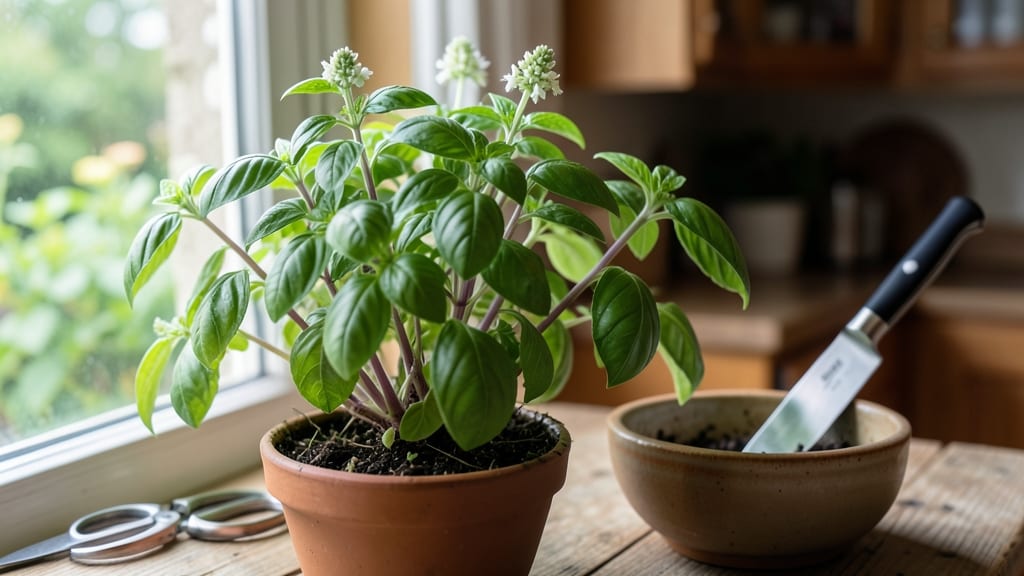
The best time to pick basil is when its leaves are dark green, glossy, and 6-8 inches tall—just before flowering for maximum flavor.
Picture this: you’ve nurtured your basil plant 🌿 all season, only to pinch a leaf and taste bitter disappointment. That’s what happens when you harvest too late—or too early.
The difference between sweet, aromatic basil and a woody, flavorless mess comes down to timing, and I’ll show you exactly how to nail it.
You don’t need a degree in botany to know when basil is ready. A simple stem snap test or checking for glossy leaves tells you everything you need.
Below, I’ll walk you through the visual and tactile cues that guarantee peak flavor, so every harvest delivers the fresh, vibrant taste your recipes deserve.
Ready to transform your kitchen with homegrown basil? Discover the science-backed tricks that keep your plants thriving and your meals bursting with flavor—no guesswork required.

How to identify the perfect time to pick basil using leaf color and stem tests
Timing your basil harvest is everything—picking too early means weak flavor, while waiting too long turns those sweet leaves bitter. The key lies in two simple visual and tactile tests that reveal when your basil is at its peak.
These methods don't require fancy tools, just your eyes and fingers to unlock the best flavor in every leaf.
First, focus on the leaf color as your primary indicator. Mature basil leaves should be a deep, vibrant green, almost glossy to the touch. When leaves reach this stage, they've developed the highest concentration of essential oils—the compounds responsible for that signature basil aroma.
Younger leaves may look pale or slightly purple-tinged, signaling they're not yet ready for harvest.
Next, perform the stem snap test, a foolproof way to gauge maturity. Pinch a stem between your fingers—if it snaps cleanly with a slight resistance, your basil is perfect for picking.
A soft, bendable stem means it's too young, while a woody, fibrous feel indicates you've waited too long. This test works because stem firmness correlates directly with the plant's oil production.
Here's how these visual and tactile cues compare at different stages of growth:
| Growth Stage | Leaf Color | Stem Test | Flavor Profile | Harvest Ready? |
|---|---|---|---|---|
| Early Growth | Light green, sparse | Soft, bends easily | Mild, weak aroma | ❌ No |
| Mature (Ideal) | Deep green, glossy | Firm, snaps cleanly | Strong, sweet aroma | ✅ Yes |
| Overmature | Dull green, yellowing | Woody, fibrous | Bitter, pungent | ❌ No |
Science backs up these simple tests—the essential oil concentration in basil peaks when leaves reach their mature size and color. These oils contain compounds like eugenol and linalool, which give basil its distinctive flavor and aroma.
When you harvest at the right time, you're capturing these compounds at their maximum potency.
Pay special attention to the leaf edges—they should be smooth and fully unfurled. If you notice curled or crinkled leaves, it's often a sign the plant is stressed, either from underwatering or overheating.
Stressed basil produces fewer flavorful oils, so address these issues before harvesting. A healthy plant with vibrant leaves will always yield the best flavor.
For container-grown basil, these tests work just as well as for garden plants. Just be mindful that potted basil may mature slightly faster due to its confined root system. Check your stems every 2-3 days during peak growing season to stay on top of harvests.
The more frequently you pick mature leaves, the more your plant will produce, creating a continuous cycle of flavorful harvests.
Pro tip: Always harvest in the morning after the dew has dried but before the midday sun intensifies. This timing ensures you're picking leaves with the highest moisture content and flavor concentration.
Store harvested basil in the fridge for up to 5 days, or preserve its freshness by freezing leaves in ice cube trays with water or olive oil.
Remember, the stem snap test is your secret weapon against bitterness. If you're ever unsure whether your basil is ready, perform this quick test—it's the fastest way to guarantee you're harvesting at peak flavor.
With these simple techniques, you'll never settle for anything less than the sweetest, most aromatic basil in your kitchen.
Best practices for harvesting basil to maximize growth and flavor
Once you’ve mastered identifying the perfect harvest-ready basil, the next step is knowing how often to pick and when to prune vs. harvest for continuous growth. The key lies in balancing your plant’s energy—too much picking stresses it, while too little lets it become woody or flower.
I’ve learned that consistency is everything, and a simple routine keeps my basil thriving all season.
Timing your harvests isn’t just about the plant’s maturity—it’s also about the time of day. Morning harvests yield the freshest, most flavorful leaves because the plant’s essential oils are at their peak after a night of rejuvenation.
Plus, harvesting in the morning gives your basil time to recover before the heat of the day. Avoid evening harvests, as damp leaves left overnight invite fungal diseases like downy mildew, which can devastate your crop.
Here’s my foolproof guide to harvesting basil like a pro:
- 1 Prune, don’t just pick! Always cut stems just above a leaf node (where leaves meet the stem) to encourage new growth. This simple trick keeps your basil bushy and productive.
- 2 Harvest every 4-6 weeks in the morning, but never remove more than 1/3 of the plant at once. This rule prevents stress and ensures your basil keeps producing flavorful leaves.
- 3 Stop harvesting when flowers appear. Those pretty blooms signal the end of peak flavor—remove them immediately to redirect the plant’s energy back to leaf production.
- 4 Seasonal adjustments matter. In summer’s heat, harvest more frequently (every 2-3 weeks) to prevent bolting. In fall’s cooler temps, slow down to every 6-8 weeks as growth naturally slows.
One mistake I made early on was harvesting basil leaves one at a time instead of cutting entire stems. This weakens the plant and leads to sparse growth. Now, I always snip stems just above a leaf node with clean, sharp pruning shears—it’s faster and far more effective.
Plus, the larger stems stay fresh longer in your kitchen.
For container-grown basil, the rules are slightly different. Since pots have limited space, I harvest even more conservatively—never more than 20% of the plant at a time. Over-harvesting in containers stresses the roots, and recovery takes longer.
If your basil is in a pot, prioritize regular pruning over heavy harvesting to maintain its compact shape and flavor.
Remember, the goal isn’t just to harvest basil—it’s to encourage continuous growth. By following these practices, you’ll enjoy a bountiful, flavorful crop from spring through fall, with minimal effort. And when winter rolls around, you can even bring your basil indoors for a winter harvest with the right care.