
How To
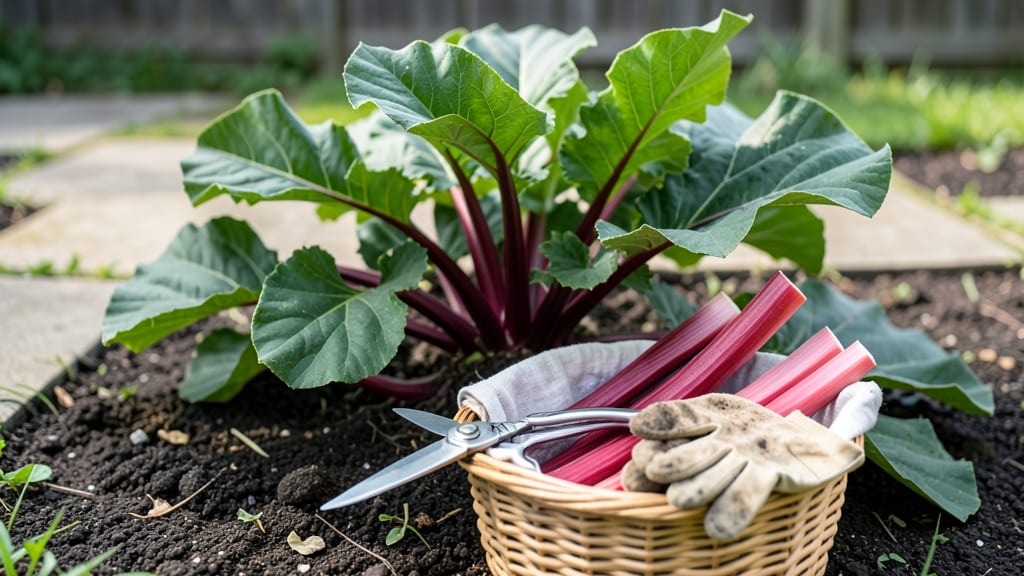
Mastering the best way to harvest rhubarb means waiting for stalks to reach 10 inches—any shorter, and the flavor falls flat.
Picture this: you’ve nurtured your 🌱 rhubarb all spring, only to pull a stalk that’s still tough and tart. That’s the risk when you harvest too early. But get it right, and you’re rewarded with crisp, vibrant stems packed with flavor—plus a plant that keeps producing for years.
The secret? Timing, technique, and a little patience.
In USDA Zone 6, the best window opens in late May, when stalks snap cleanly and leaves unfurl fully. Cutting too soon stunts growth; waiting too long risks woody stems.
I’ll walk you through the exact method—from selecting the perfect stalk to post-harvest care—to ensure your rhubarb thrives and your harvest stays sweet.
Ready to turn your garden into a tart-sweet treasure trove? Here’s how to harvest rhubarb the best way, every time.

When and how to harvest rhubarb stems for maximum sweetness
Harvesting rhubarb at the right time transforms its tart flavor into a sweet, crisp delicacy while ensuring your plant thrives for years. The key? Waiting until stems reach 10 inches tall—this is when their natural sugars peak.
Early harvesting can leave your plant weak, while waiting too long reduces quality. Climate plays a role too: cooler regions may need to adjust timing slightly to avoid frost damage.
Rhubarb’s first-year growth focuses on establishing roots, so avoid harvesting then. In year two and beyond, you’ll get the best flavor and yield by following a precise method.
The goal is to remove only the mature stalks while leaving the leaf crown intact—this crown is the plant’s energy factory for next year’s harvest.
⚠️ Critical Tip: Never harvest more than one-third of the stalks at once, or you’ll stunt regrowth. Now, let’s dive into the exact steps and tools to ensure your rhubarb stays productive and delicious.
Your rhubarb’s maturity is the first clue it’s harvest-ready. Look for thick, crisp stalks that snap cleanly when bent—this indicates ideal sweetness. Avoid harvesting thin, rubbery stems or those under 8 inches, as they’ll be bland and tough.
Color also matters: deep red or vibrant green varieties signal peak ripeness, while pale stems are underripe.
Climate affects timing dramatically. In cooler zones (USDA 3–5), harvest later in spring to avoid frost. In hotter regions (USDA 7–9), start harvesting earlier to prevent the plant from bolting (flowering prematurely). Pay attention to your local last frost date—rhubarb can’t tolerate freezing temperatures, even as mature plants.
Using the right tools makes all the difference. A sharp pruner or knife ensures clean cuts, while dull tools tear stems and invite disease. Always sanitize tools with rubbing alcohol before and after use.
I like to keep a small bottle of alcohol in my gardening toolkit for quick disinfection—it’s a game-changer for preventing bacterial spread between cuts.
After harvesting, store rhubarb properly to preserve its flavor. Wrap stems in a damp paper towel and place them in a plastic bag in the fridge. This keeps them crisp for up to 1 week.
For longer storage, freeze stalks after blanching (dipping in boiling water for 2 minutes) to lock in sweetness for up to 6 months.
One common mistake is over-harvesting in the first year. Young rhubarb plants need all their energy to establish roots. Even in year two, limit yourself to 3–4 stalks to avoid weakening the plant.
I’ve seen gardeners harvest aggressively and end up with yellowing leaves and weak regrowth—don’t let that be you!
For maximum future harvests, focus on post-harvest care. After cutting, water the plant deeply to replace lost moisture. Add a light mulch of compost around the base to retain moisture and feed the soil.
In late summer, reduce watering slightly to encourage dormancy, which helps the plant store energy for next year’s growth.
If you’re growing multiple rhubarb varieties, harvest them at slightly different times. For example, ‘Victoria’ (red) rhubarb often ripens a week earlier than ‘Champagne’ (pink) rhubarb.
Staggering your harvests ensures a longer season of sweet stems and prevents overloading your schedule. Keep a small notebook nearby to track which stalks you’ve harvested and when!
Step-by-step harvesting technique to protect your rhubarb plant
Harvesting rhubarb correctly ensures sweet, crisp stalks while preserving the plant for future harvests. The key is selective cutting—never removing more than one-third of the stalks at once.
I’ve learned the hard way that aggressive harvesting weakens the crown, leading to stunted growth or even death. Let’s dive into the proper technique to keep your rhubarb thriving.
Start by waiting until your rhubarb is at least 1 year old and the stalks reach 10-12 inches tall. This ensures the plant has established roots and stored enough energy for regrowth.
Use a sharp knife or pruners to make clean cuts, avoiding the leaf crown at all costs. The crown is the plant’s lifeline—damaging it can kill your rhubarb for good.
⚠️ Critical Mistake Alert: Never Cut the Crown!
The leaf crown is the heart of your rhubarb plant. Cutting into it—even accidentally—can introduce disease and rot. Always angle your cuts 1-2 inches below the base of the stalk, leaving the crown intact. If you see yellowing leaves or wilted stalks after harvest, you’ve likely damaged the crown.
Before you begin, sanitize your tools with rubbing alcohol or a 10% bleach solution to prevent bacterial or fungal infections. I once lost a patch of rhubarb to crown rot because I reused dull, dirty pruners.
Sterilizing tools takes 30 seconds but can save your plant from years of struggle. Work on a dry day when stalks are firm—rainy conditions can make them slippery and prone to tearing.
Grasp the stalk firmly near the base and cut at a 45-degree angle. This technique reduces water loss and prevents rot from pooling at the cut site. Avoid twisting or tearing stalks—this causes unnecessary damage to the plant’s vascular system.
Once cut, remove any damaged or diseased stalks immediately. These can harbor pests or pathogens that spread to healthy growth.
After harvesting, water your rhubarb deeply to replenish moisture lost during cutting. Add a 1-inch layer of mulch around the base to retain soil moisture and suppress weeds. I’ve noticed my rhubarb recovers faster and produces more stalks the following year when I follow this post-harvest care routine.
Avoid fertilizing right after harvest—wait until new growth appears in early spring.
Resist the urge to harvest more than one-third of the stalks in a single session. Over-harvesting stresses the plant, leading to smaller, less flavorful stalks next season. If your rhubarb is young (2 years old), limit yourself to 2-3 stalks per harvest to encourage robust growth.
Patience pays off—your rhubarb will reward you with larger, sweeter stalks for decades.
Finally, store harvested stalks properly to maintain freshness. Wrap them in a damp paper towel and refrigerate for up to 2 weeks. For long-term storage, freeze stalks after blanching for 3-4 minutes.
This preserves their tart-sweet flavor and crisp texture. With these techniques, you’ll enjoy a bountiful rhubarb harvest year after year—without sacrificing the plant’s health.