
Vegetables
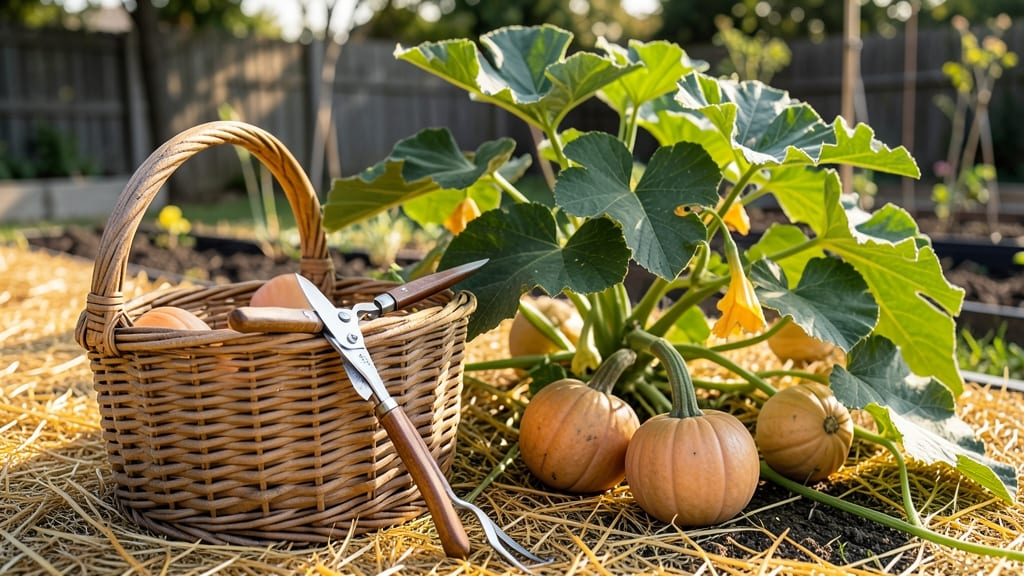
Butternut squash harvest time arrives when the stem shriveled and the seeds turn dark 🎃—missing these cues can leave you with bland, underripe fruit or tough, overripe disappointment.
Picture this: you’ve nurtured your vines all summer, and now the moment of truth is here. One wrong move, and you could end up with squash that’s either too soft to store or so hard it’s nearly inedible.
The good news? There are three simple tests to nail the perfect harvest window every time.
In this guide, I’ll walk you through the exact visual signals—from skin color to seed changes—that tell you your butternut squash is ready to pick. You’ll also learn how climate and planting time shift the ideal harvest months, plus the one mistake even experienced gardeners make when storing their haul.
By the end, you’ll know precisely when to grab your pruners and how to keep your squash fresh for months. Let’s get started.
3 Key signs your butternut squash is harvest-ready (stem, skin & seed tests)
If you've ever wondered, "Is my butternut squash ready to pick?"—you're not alone. These winter squash take patience, and harvesting too early or late can ruin months of hard work. The good news?
Three simple tests will tell you exactly when to harvest for peak flavor and long-term storage. Let's break down what to look for in your butternut squash plants before you grab that harvest knife.
First, don't rely on days-to-maturity estimates alone. While butternut squash typically mature in 90-120 days, environmental factors like temperature swings, soil quality, and water availability can shift that window.
That's why visual cues matter more than calendar dates. When you spot these three key signs working together, you'll know your squash is perfectly ripe.
Papery Stem Test
Check the stem where it meets the squash. When it turns brown and dry, it should snap easily (not tear). A soft green stem means wait 1-2 weeks.
Hard Skin Test
Press your thumbnail into the skin near the blossom end. If it doesn't dent and feels thick like a hardcover book, it's ready. A soft spot means more time on the vine.
Seed Cavity Test
Cut open a small section near the stem. If the seeds are dark brown and the cavity is dry, your squash is at peak sweetness. Pale seeds mean wait longer.
The stem test is your first clue because it shows the squash has finished growing. When the stem turns brown and papery, it signals the plant has stopped sending nutrients to the fruit.
This is nature's way of telling you, "Time to harvest!" I always test this first because it's the most reliable indicator—even if the squash looks big, a green stem means it's not fully mature yet.
Next, focus on the skin hardness. Butternut squash skins should feel rock-hard when ripe. If you can dent it with your thumbnail, give it another week. Pro tip: Check the skin near the blossom end (the rounded end opposite the stem).
This area often hardens first. A hard skin means the squash has developed its natural protective layer, which is crucial for long-term storage.
Don't overlook the seed cavity test—this is where flavor hides! When the seeds turn deep brown and the cavity feels dry, you've hit the sweet spot. Pale seeds or moist cavities mean the squash needs more time.
I've learned this the hard way: harvesting with light-colored seeds results in watery, bland flesh. The darker the seeds, the sweeter the squash.
Here's a bonus tip: Combine these tests with the vine condition. When the vines start yellowing and dying back, it's another sign your squash is ready. Butternut squash are winter squash, so they store best when fully mature.
If frost threatens before your squash is ready, harvest anyway—they'll keep for months in a cool, dry place.
One common mistake? Harvesting based on size alone. A butternut squash can grow to 24 inches long but still be underripe. Always check the three tests together. For example, you might have a large squash with a hard skin but a green stem—this one needs more time.
Conversely, a small squash with a brown stem and hard skin is ready to harvest!
Remember, the earlier you harvest, the more time you have to cure and store your squash. Curing (letting harvested squash harden in warm conditions for 10 days) improves flavor and storage life.
If you're in a short growing season, prioritize the stem and seed tests—they're your best friends for timing harvests just right.
Finally, if you're unsure, harvest a test squash. Cut it open and check the seeds. If they're not dark enough, leave the rest on the vine. Patience pays off with sweeter, longer-storing squash that you'll enjoy all winter long. Now grab your harvest knife and put those tests to work!
Best harvest times by growing season & climate (northern vs. southern regions)
Your butternut squash harvest time depends heavily on your USDA hardiness zone and whether you're in a northern cool-season or southern warm-season climate. In USDA Zones 3-5, frost dates force a tighter harvest window, while Zones 7-10 offer more flexibility due to longer growing seasons.
I’ve grown butternut squash in both climates, and the difference in timing is striking.
For northern regions, aim to harvest between late September and early October before the first frost hits. In southern climates, you can extend harvest into November or even December if temperatures stay mild.
The key is watching daylight hours—butternut squash matures faster when days shorten, so adjust your expectations based on your location.
Climate also affects planting timing. In cooler zones, start seeds indoors 4-6 weeks before last frost (typically mid-April), while southern gardeners can direct-sow after April 15. This difference directly impacts your harvest window by 4-6 weeks, so plan accordingly.
| Climate Zone | Planting Window | Ideal Harvest Time | Days to Maturity | Key Adjustments |
|---|---|---|---|---|
| Northern (Zones 3-5) | Indoors: March 15-April 1 Outdoors: After last frost (May 1) |
Late Sept-Oct (Before first frost) |
90-100 days | Use row covers to extend season Plant earlier varieties (80-day) |
| Southern (Zones 7-10) | Direct-sow: April 15-May 15 Fall planting: July 15-August 1 |
Oct-Nov (Sometimes Dec in mild winters) |
100-120 days | Succession plant for fall harvests Watch for heat stress in summer |
| Transition (Zones 6) | Indoors: March 1-April 15 Outdoors: After April 15 |
Mid-Sept-Oct (Flexible with frost dates) |
90-110 days | Monitor frost forecasts Use black plastic mulch for warmth |
If you planted late in the season, your butternut squash may mature more slowly. In these cases, focus on skin hardness and stem shriveling rather than calendar dates. I once had a late-planted crop in Zone 5 that didn’t reach harvest until mid-October—still perfect for roasting after curing!
For southern gardeners, don’t be tempted to harvest too early just because it’s getting hot. Butternut squash needs cool nights (50-60°F) to sweeten fully. Wait until the skin resists pressure and the stem dries completely, even if it means waiting into November.
Patience pays off with richer flavor and better storage life.
Pro tip: In humid climates, harvest before powdery mildew sets in. If your vines show signs of stress (yellowing leaves), prioritize harvesting over waiting for "perfect" size. A slightly smaller squash is better than a diseased one! 🎃