
Picking
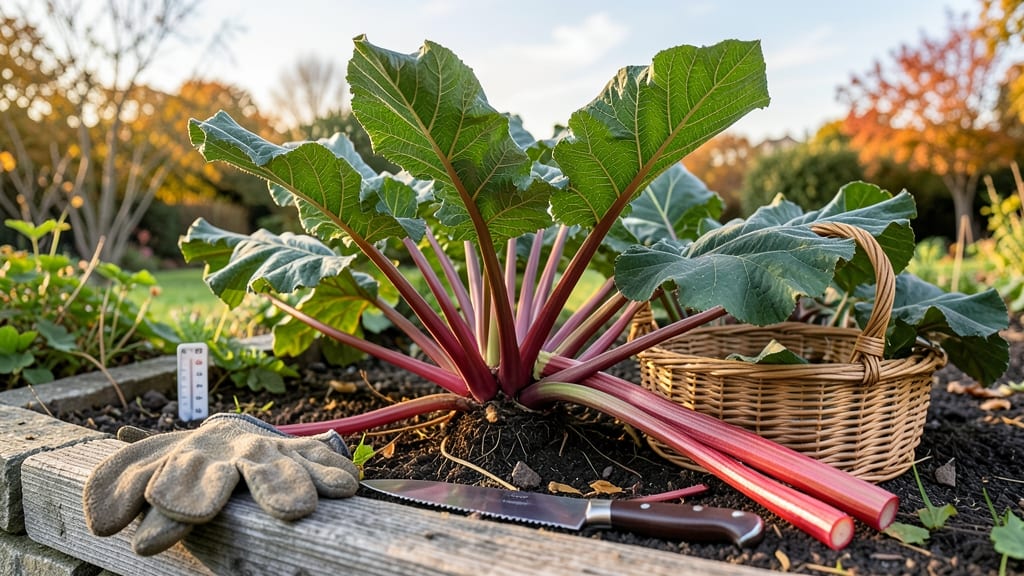
Harvesting rhubarb in October is possible if you act before the first frost 🍃 — but timing and variety matter more than you might think.
Picture this: your rhubarb plants have been productive all season, and you’re tempted to keep picking those plump stalks as the air turns crisp. But October’s chill can trick even experienced gardeners into over-harvesting, leaving plants weak for winter.
The key? Knowing when to stop and which varieties hold up best.
Most rhubarb thrives in USDA Zone 6a with a harvest window from April to June, but mild autumns can stretch that just a little further. Cold-hardy types like 'Victoria' or 'Waltham' are your best bet for late-season yields, while others may struggle as temperatures dip below 30°F.
I’ll walk you through how to tell if your plants are ready—and when to let them rest.
By the end, you’ll know exactly how to extend your rhubarb season without stressing the plant, plus three telltale signs it’s time to call it quits for the year. No more guesswork, just confident harvesting!

When and how to harvest rhubarb in October: ideal timing and techniques
October can still be a productive month for your rhubarb patch if you time it right. Unlike spring harvests, fall harvesting requires extra care to avoid damaging the plant before winter dormancy. The key is to balance yield with plant health, especially as temperatures drop and frost approaches.
Most gardeners stop harvesting rhubarb by late September, but in mild climates (USDA Zones 7-10), you can extend the season into October. The goal is to harvest before the first hard frost, which typically arrives in late October or November.
Frost damages tender stalks and can kill the plant if severe.
Here’s what you need to know about harvesting rhubarb in October to maximize your yield without stressing the plant:
- 1 Check stalk maturity: Harvest only stalks that are 8-12 inches long and 1-2 inches thick. Avoid thin, rubbery stalks—they won’t store well and signal the plant is struggling.
- 2 Prioritize outer stalks: Focus on the oldest, outermost stalks first. This protects the center growth needed for next year’s harvest. Never remove more than 1/3 of the stalks at once.
- 3 Harvest in the morning: Stalks are crispest and most flavorful after a cool night. Use a sharp knife or pruners to cut stalks at the base, leaving 1 inch of stem attached to the crown.
- 4 Avoid leaf damage: Never pull stalks—this can uproot the plant. Always cut cleanly and leave the large leaves intact to photosynthesize and store energy for winter.
- 5 Stop harvesting 4-6 weeks before frost: If your first frost is predicted for November 1, cease harvesting by October 10. This gives the plant time to harden off and store nutrients.
One common mistake is harvesting too aggressively in October, which weakens the plant before winter. Signs of over-harvesting include yellowing leaves, stunted new growth, or stalks that are smaller than a pencil. If you see these, pause harvesting immediately.
To prepare your rhubarb for winter dormancy, reduce watering in late October to bi-weekly deep soaks. Apply a 4-inch layer of mulch (straw or shredded leaves) around the base to insulate the crown. Avoid fertilizing—this encourages new growth that won’t survive frost.
After your final October harvest, trim any dead or diseased leaves but leave the healthy foliage. This protects the crown from temperature swings. In Zone 5 or colder, consider adding a thick layer of straw mulch (8+ inches) to prevent crown heaving during freeze-thaw cycles.
With the right approach, October can yield high-quality stalks for pies, compotes, or storage. Just remember: less is more in late-season harvesting. Your rhubarb will thank you with a stronger comeback next spring.
🌱
Cold-hardy rhubarb varieties that thrive in fall harvests (and how to grow them)
If you're dreaming of fresh rhubarb in October, you're in luck! Some cold-hardy varieties actually perform better in cooler weather. The key is choosing the right type for your USDA zone and adjusting care as temperatures drop. 'Victoria' and 'Waltham' are top picks for their frost tolerance and late-season productivity.
These varieties can handle light frosts, but heavy freezes will stop growth. In Zone 4-6, you might still get harvests until mid-October, while Zone 7-8 gardeners can extend harvests into November with proper care. The secret? Mulching and watering adjustments to protect roots.
⚠️ CRITICAL NOTE: Never harvest after the first hard frost—this stresses plants entering dormancy. Instead, focus on root health and next year's growth by stopping harvests 4-6 weeks before your average first frost date.
For October harvests, prioritize 'Victoria'—it yields the most stalks in cooler weather. Plant crowns in well-draining soil with full sun exposure (6+ hours daily). In Zone 3-4, use black plastic mulch to warm soil early in spring and protect roots.
Adjust care in October by reducing watering (soil should stay 60% moist) and adding 2-3 inches of straw mulch after your final harvest. This protects roots from temperature swings and soil heaving during freeze-thaw cycles.
In Zone 7+, you can harvest until November if nights stay above 30°F.
Remember: Never harvest more than 1/3 of stalks in fall—this weakens roots for next year. Store any October harvest in the fridge for up to 2 weeks to enjoy through winter. With the right variety and care, your rhubarb can reward you with late-season treats! 🌱