
Vegetables
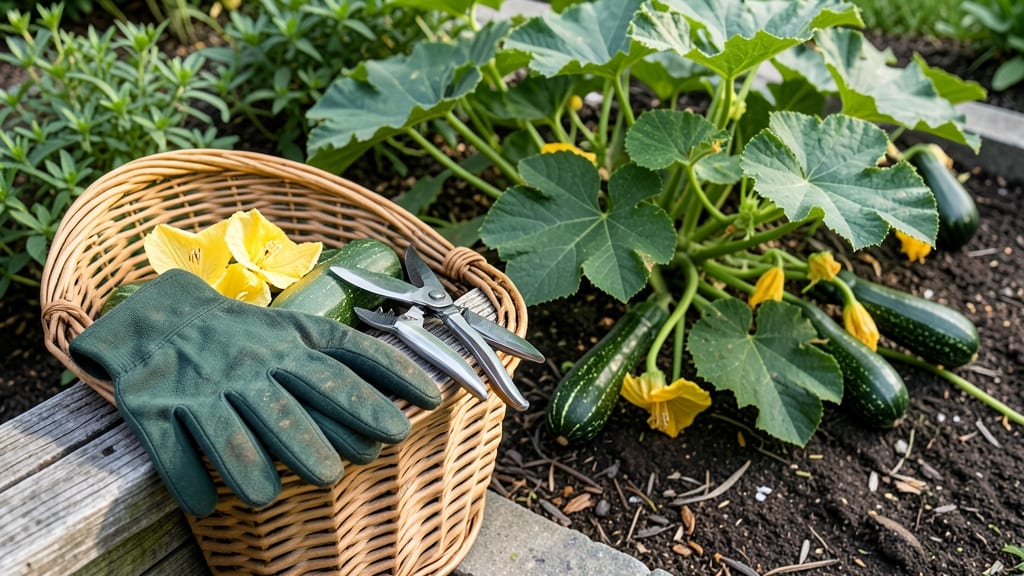
Harvesting squash blossoms at the right moment transforms your garden—and your kitchen—into a treasure trove of flavor and abundance.
Did you know that harvesting these delicate 🎃 flowers not only boosts fruit production but also prevents overburdened vines? A single missed bloom can mean fewer zucchinis or pumpkins later, so timing is everything.
Whether you’re growing summer squash or winter varieties, mastering this skill ensures healthier plants and a steady harvest.
In this guide, I’ll walk you through the best time to pick blossoms—morning vs. afternoon—and how to do it without harming your plants. You’ll also discover creative ways to use these edible flowers, from frying them like tempura to infusing oils for a gourmet touch.
Plus, I’ll share pro tips to keep your squash vines thriving after harvesting.
Ready to turn those vibrant blooms into both more fruit and delicious meals? Let’s get started.
Best time to harvest squash blossoms for maximum pollination success
Timing your squash blossom harvest correctly is the secret to a bountiful harvest. Picking too early can stunt fruit development, while waiting too long may leave you with bitter blossoms. The optimal window depends on flower maturity, time of day, and even the squash variety you're growing.
For most gardeners, morning harvests yield the freshest blossoms with peak flavor and pollination potential.
First, focus on flower maturity indicators like color and stamen length. Fully open blossoms with yellow stamens (for summer squash) or orange centers (for winter varieties) signal readiness. The morning hours between 7-9 AM are ideal because dew has evaporated, reducing moisture that can damage delicate petals.
This timing also ensures you capture blossoms at their peak freshness for both culinary use and pollination support.
Here’s a quick reference for seasonal timing variations—summer squash like zucchini and yellow crookneck bloom earlier (June-July), while winter squash such as butternut or pumpkins flower later (July-August). Harvesting at the right stage prevents overproduction stress, which can lead to fewer but larger (and sometimes misshapen) fruits.
For summer squash varieties, aim to harvest blossoms when they’re fully open but still firm to the touch. Overripe blossoms (those with wilted petals) can indicate the plant is already stressed, which may reduce fruit quality.
I’ve found that zucchini blossoms harvested at this stage often yield sweeter, more tender squash later in the season.
Winter squash blossoms, like those from butternut squash, require slightly more patience. Wait until the stamens are fully extended and the petals are bright orange. Harvesting too early can lead to underdeveloped fruit, while waiting too long may result in blossoms that drop prematurely.
Always check for slightly curled petals—this is a sign of maturity and readiness for harvest.
Avoid harvesting female blossoms (those with tiny squash forming at their base) unless you’re certain you won’t need fruit. These blossoms are critical for pollination and fruit development.
Instead, focus on male blossoms, which have long stems and no miniature fruit. Male blossoms are perfect for both culinary use and encouraging secondary blooms.
If you notice your plants producing too many blossoms at once, consider harvesting a few to balance the plant’s energy. Overproduction can lead to smaller fruits or even blossom end rot.
I once had a pumpkin vine that produced so many blossoms it struggled to support them all—harvesting excess blossoms helped the remaining fruits grow larger and healthier.
For late-season harvesting, watch for signs of declining plant vigor. If your squash plants start dropping leaves or blossoms prematurely, it’s time to scale back harvesting. Focus on preserving the remaining blossoms to ensure a final flush of fruit before the first frost. In my
Step-by-step guide: how to pick squash blossoms without damaging plants
Harvesting squash blossoms correctly is key to maintaining plant health and maximizing your yield. The wrong technique can damage vines, reduce fruit production, or even stress your plants. Whether you're harvesting for edible flowers or to encourage more fruit development, follow these steps to do it safely and effectively.
Before you begin, gather your tools: clean pruning shears, a small bowl for blossoms, and a spray bottle with water. Always work in the morning hours when flowers are fully open and dew is present. This ensures you pick the freshest blossoms and minimize stress on the plant.
Step-by-Step Guide to Harvesting Squash Blossoms
- Step 1: Identify mature blossoms with fully extended stamens (long, thread-like parts) and a vibrant yellow or orange hue. Avoid picking buds that are still closed or wilted.
- Step 2: Use your fingers or clean shears to grasp the blossom stem about 1 inch below the flower. Pinch gently with your thumb and forefinger to avoid tearing the stem.
- Step 3: If using shears, make a clean cut at a 45-degree angle just above a leaf node to promote new growth. Never cut into the main vine.
- Step 4: Place harvested blossoms in your bowl immediately to prevent wilting. For long-term storage, gently rinse and pat dry before refrigerating in a sealed container with a paper towel for up to 3 days.
- Step 5: After harvesting, water the plant at the base to reduce stress. Apply a balanced fertilizer (like 10-10-10) to encourage secondary blooms within 7-10 days.
If you notice broken stems or yellowing leaves after harvesting, your plant may be stressed. To encourage more blossoms, prune any overcrowded vines and ensure the plant receives 6-8 hours of sunlight daily. Avoid harvesting more than 20% of blossoms at once to prevent fruit set from declining.
For zucchini or summer squash, focus on harvesting blossoms from the outermost vines first to avoid overloading the plant. Winter squash varieties like pumpkins produce fewer blossoms, so prioritize female flowers (with tiny squash at the base) to ensure fruit development.
Always leave at least 3-5 blossoms per plant unharvested to maintain pollination.
With practice, you’ll develop a feel for the best harvesting rhythm that keeps your squash plants thriving. Happy harvesting—and enjoy those delicious blossoms in your next culinary creation! 🌼