
How To
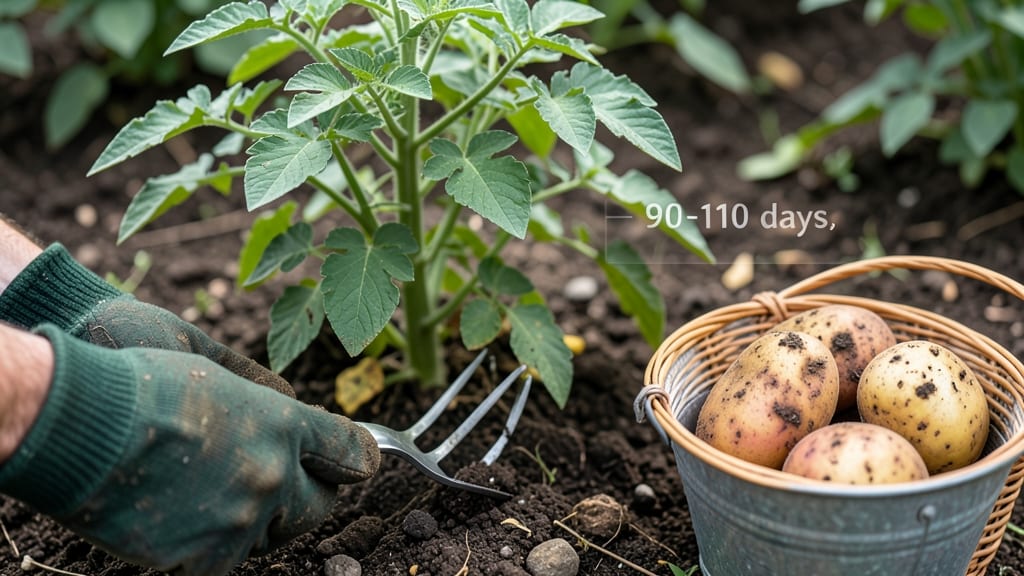
From planting to harvesting potatoes takes anywhere from 60 to 120 days, depending on the variety and your growing conditions—so timing is everything if you want crisp, flavorful spuds instead of mealy disappointments.
If you’ve ever eagerly watched your potato plants grow, only to dig up tiny, underdeveloped tubers or wait too long and find sprouts, you know how frustrating the guessing game can be. The key lies in matching your variety to your climate zone and reading the plants’ signals.
Early varieties like Yukon Gold or Red Pontiac can be ready in as little as 60-80 days, while late-season types like Russet or Kennebec may take 100-120 days—and that’s before accounting for frost dates or soil quality.
Even a few weeks off can mean the difference between a perfect harvest and wasted effort.
In this guide, I’ll break down the exact timelines by variety and zone, plus the five foolproof signs your potatoes are ready to pull—so you can plan your meals, avoid common mistakes, and finally enjoy that homegrown harvest you’ve been waiting for.

Potato harvest times by variety: fastest to longest growing seasons
Potatoes are one of the most rewarding crops to grow, but their harvest timing varies wildly depending on the variety you choose. Early season potatoes can be ready in just 60 days, while late-season storage varieties may take 120+ days.
Understanding these differences helps you plan your garden layout and meal prep with precision.
Early varieties like Red Norland or Early Girl are perfect for quick harvests, ideal for container gardens or short growing seasons. Mid-season Yukon Gold and Red Pontiac offer a balance, while late-season Russet or Fingerlings store well for winter.
Let's break down the exact timelines and what to watch for in each category.
Why do harvest times differ? Early varieties focus on rapid tuber formation, while late varieties prioritize size and storage quality. Soil temperature, sunlight, and moisture also play critical roles. For example, cool spring nights speed up growth in early potatoes, while long summer days help late varieties bulk up.
| Variety Type | Days to Harvest | Best For | Harvest Cues |
|---|---|---|---|
| Early (New Potatoes) | 60-90 days | Quick meals, containers | Foliage yellows, 1-2" tubers |
| Red Norland | 70-80 days | Salads, boiling | Skin resists pressure |
| Early Girl | 60-70 days | Containers, early harvests | Flowers appear |
| Mid-Season (Maincrop) | 90-110 days | Storage, baking | Foliage dies back |
| Yukon Gold | 90-100 days | Mashed potatoes, roasting | Tubers 3-4" |
| Red Pontiac | 100-110 days | Storage, salads | Stems snap easily |
| Late (Storage) | 110-120+ days | Winter storage | Full vine death |
| Russet | 110-130 days | Baking, frying | Large tubers |
| Fingerlings | 100-120 days | Roasting, storage | Uniform size |
For early potatoes, focus on varieties like Red Norland or Early Girl, which mature in just 60-80 days. These are perfect for container gardens or areas with short growing seasons.
I've harvested these in Zone 5 by early July, even with a late spring. The key is planting seed potatoes early—as soon as soil is workable—and choosing a sunny spot.
Mid-season varieties like Yukon Gold
How climate zones affect potato harvest timing (and how to adjust)
Your USDA hardiness zone plays a huge role in how quickly potatoes mature. In Zone 9 (like Southern California or Florida), you can harvest 60-day varieties like 'Red Norland' as early as April.
But in Zone 3 (think Minnesota or Vermont), those same potatoes might need 120+ days to reach harvest—often pushing your harvest into September. Understanding these differences helps you choose the right varieties and adjust planting times.
The key factor is your frost-free growing season. Potatoes need 90-120 days of warm weather to develop properly. In colder zones, you’ll need to plant earlier and select longer-season varieties like 'Kennebec' or 'Russet Burbank'.
Meanwhile, in warmer zones, you can squeeze in two harvests by planting early varieties in spring and late varieties in fall.
📌 How Long From Plant to Harvest: Climate Zone Breakdown
- Zone 3-4 (Cold Climates): 100-120 days – Plant early May for harvest in late September. Use long-season varieties like 'Yukon Gold' or 'Kennebec'.
- Zone 5-6 (Moderate Climates): 80-100 days – Ideal for mid-season varieties like 'Red Pontiac'. Plant in April for a July-August harvest.
- Zone 7-8 (Warm Climates): 70-90 days – Perfect for early varieties like 'New Potatoes'. Plant in March or September for spring/fall harvests.
- Zone 9-10 (Hot Climates): 60-80 days – Grow heat-tolerant varieties like 'Sweet Potato' or 'White Rose'. Plant in fall to avoid summer heat stress.
If you live in a shorter-season zone, extend your growing time with row covers or black plastic mulch. These tricks add 2-4 weeks of warmth, helping potatoes mature faster.
For example, in Zone 4, covering your plants can turn a 120-day variety into a 100-day harvest, giving you an extra month of growing time.
In hotter zones, focus on shade cloth during peak summer to prevent greening (toxic solanine buildup). Varieties like 'Red LaSoda' thrive in Zone 9-10 with afternoon shade. Also, plant in fall for a winter harvest—just time it so tubers mature before the first frost.
Pro tip: Check your last frost date and count backward from your variety’s days to maturity. For example, if your last frost is May 15 and you’re growing a 90-day variety, plant by February 15 to avoid frost damage. Use a planting calendar to map out your timeline!
Adjusting for your zone isn’t just about timing—it’s about selecting the right varieties and protecting your crop. With the right approach, you can enjoy homegrown potatoes no matter where you live! 🥔