
How To
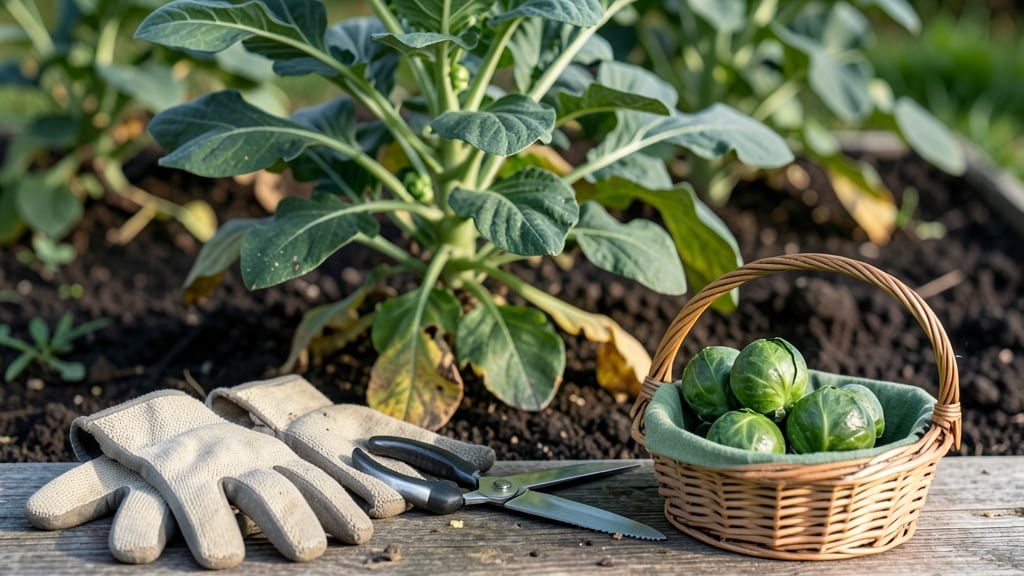
Harvesting your 🥦 brussel sprouts at the right time means the difference between sweet, tender bites and bitter, woody disappointment.
Picture this: You’ve nurtured your plants for months, and now the buds are forming—only to wonder, how long until they’re ready? Miss the window, and you’ll either pull them too early (small and tough) or too late (overgrown and tough).
The key is knowing the exact days from bud formation to peak flavor, and that’s what this guide breaks down.
Brussel sprouts typically take 90–120 days to mature after planting, but the harvest window is narrower—just 3–4 weeks once those tight little buds form. Frost can speed things up, while heat might stall them, so timing matters more than you’d think.
Here’s what you’ll learn: how to spot the perfect 1–2 inch buds, when to start harvesting for continuous yield, and the one mistake that ruins flavor faster than anything else.

Brussel sprout growth stages: when to expect bud formation and harvest readiness
Brussel sprouts follow a predictable growth cycle, but the 3-4 week window between bud formation and harvest is where most gardeners trip up. Understanding these stages helps you time your harvest for peak sweetness and tenderness.
From seedling to maturity, environmental factors like temperature and sunlight can accelerate or delay development by up to 2 weeks.
After planting, your sprouts will spend 6-8 weeks as seedlings before entering the critical bud formation phase.
This stage begins when the plant reaches 18-24 inches tall and starts developing tiny, tightly packed buds along the stem. Cooler temperatures (50-65°F) actually encourage sweeter bud development, while hotter weather can make them bitter.
The bud formation stage begins around 6-8 weeks after planting, but this can vary by 1-2 weeks depending on your climate. In cooler regions (USDA Zones 3-5), buds form earlier due to shorter daylight.
Meanwhile, gardeners in warmer zones (6-8) may see delayed budding if summer heat persists. Always check your plant's stem height and leaf color—healthy leaves should be deep green, not yellowing.
Once buds form, they'll grow at a rate of about 0.5 inches per week under ideal conditions. The 3-4 week window between 1" and 2" bud size is your harvest sweet spot.
During this time, frost can actually improve flavor by converting starches to sugars, but a hard freeze will ruin your crop. If frost is forecast, harvest all remaining buds immediately, even if they're smaller than ideal.
Light plays a crucial role in bud development. Plants need 6+ hours of direct sunlight daily to form properly, but too much heat (>85°F) can cause buds to bolt (flower prematurely).
If your sprouts are in a hot climate, provide afternoon shade during peak summer months. In containers, choose larger pots (12"+ diameter) to prevent root-bound stress, which delays bud formation.
Here's a pro tip: Pinch out the main stem when your plant reaches 12-18 inches tall. This encourages lateral branching and more uniform bud development. Without pinching, you'll get fewer, larger buds clustered at the top.
The first buds to form are always the lowest on the stem, so start harvesting from the bottom up to prolong the harvest window by 2-3 weeks.
Environmental stress like drought or nutrient deficiency can delay bud formation by up to 3 weeks. Always maintain consistent moisture (1-2 inches per week) and use a balanced fertilizer (10-10-10) every 4-6 weeks during the growing season.
If your soil is poor, consider side-dressing with compost when buds first appear to boost development.
By week 10-12, your sprouts should be ready for harvest if conditions were ideal. However, never harvest before buds reach 1 inch—they'll be too small and bitter. The sweetest flavor comes from buds harvested just before a light frost, so plan your planting schedule accordingly.
In mild climates, you can extend harvest into late fall or even winter with row covers.
Remember: Over-mature sprouts become woody and tough, while under-mature ones lack flavor. The key is regular checking—inspect your plants every 3-5 days during the harvest window.
With practice, you'll develop an eye for the perfect moment to pick, ensuring your homegrown sprouts are the sweetest, crispest you've ever tasted.
How to identify perfectly ripe brussel sprouts: size, color, and texture clues
When your brussel sprouts reach harvest time, the difference between a tender, sweet sprout and a tough, bitter one comes down to three key factors: size, color, and texture. Ignore these clues, and you’ll either pull them too early (small and underdeveloped) or too late (woody and overgrown).
The ideal harvest window is short—just 3–4 weeks—so knowing these signs will save you from wasted effort.
Start by checking the bud size, which is your first clear indicator. Perfectly ripe brussel sprouts measure between 1–2 inches in diameter. If they’re smaller than a nickel, they’re not ready—wait another week.
If they’re larger than a golf ball, they’ve passed their prime. This size range ensures the best balance of crispness and sweetness.
Next, examine the color, which shifts dramatically as the sprouts mature. Young buds are pale green, but ripe ones deepen to a rich, glossy green or even purple hues (depending on the variety). A dull or yellowing color means they’ve been left too long—harvest immediately to avoid bitterness.
🔍 Texture is the final test. Gently squeeze a bud—it should feel firm but slightly yielding, like a ripe avocado. If the stem snaps cleanly when bent (not broken), it’s ready.
A woody or hollow-sounding stem means you’ve missed the window. Overripe sprouts also develop loose leaves and a tough center.
Harvest Timing: Pros and Cons
✅ Harvest Too Early
- Pro: Sprouts stay tender
- Con: Tiny size, weak flavor
- Con: Wasted plant energy
✅ Harvest at Peak Ripeness
- Pro: Perfect 1–2" size
- Pro: Sweet, crisp texture
- Pro: Optimal yield
❌ Harvest Too Late
- Con: Woody, bitter taste
- Con: Hollow centers
- Con: Reduced shelf life
🌱 Pro Tip: Start harvesting from the bottom buds first and work your way up to encourage more growth.
One common mistake is waiting until frost hits to harvest. While a light frost can sweeten the flavor, a hard freeze turns sprouts mushy and inedible. If frost is forecasted, harvest 1–2 days before the first freeze for the best results.
In mild climates, you can even harvest sprouts after frost if they’re still firm and green.
Finally, time your harvest early in the morning when temperatures are coolest. This preserves freshness and makes the sprouts easier to handle. Use a sharp knife or pruners to cut stems just above the bud—never twist or pull, as this damages the plant.
With these clues, you’ll never miss the perfect harvest window again!