
How To
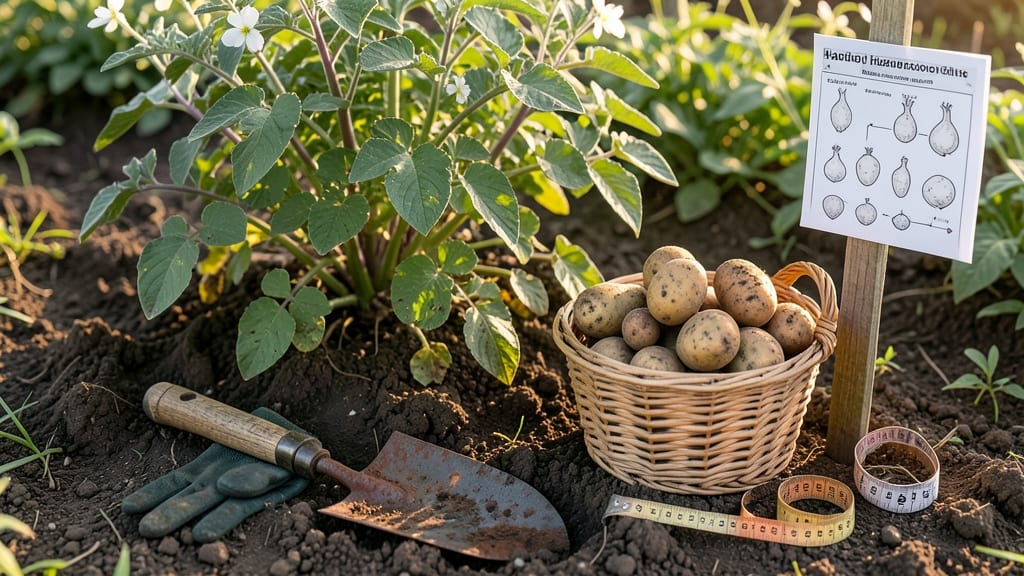
Harvesting potatoes after 60 to 120 days depends on more than just counting calendar days—it’s about reading your plants and soil like a pro to get that perfect balance of flavor and storage potential.
Picture this: You’ve been eagerly checking your 🥔 patch every week, but how do you know when to pull the plug? Digging too soon means small, starchy tubers; too late, and you risk shriveling or even losing your crop to frost.
The trick lies in combining variety-specific timelines with real-world signals like leaf dieback and skin thickness.
Most gardeners assume "days to harvest" is a one-size-fits-all number, but early varieties like ‘Yukon Gold’ are ready in 60-90 days, while late varieties like ‘Russet’ need the full 100-120 days.
Throw in soil temperature, moisture, and even a simple thumbnail test, and you’ve got a foolproof system to avoid common mistakes.
In this guide, I’ll break down the exact cues to watch for—from wilting foliage to tuber size—and share my go-to soil tests to confirm readiness. No more guessing games, just confident harvests every time.

Potato harvest timing by days: variety-specific growth charts and soil tests
Timing your potato harvest correctly is the difference between flavorful, storable tubers and green, bitter potatoes that spoil quickly. While most varieties follow a 60–120-day growth cycle, the exact harvest window depends on whether you're growing new potatoes (young, tender) or mature storage potatoes.
Even within these ranges, soil conditions and plant signals often override rigid day counts.
New potatoes can be harvested as early as 50 days for varieties like Yukon Gold, while mature potatoes like Russet need 90–120 days to reach full size. But don’t rely solely on days—soil moisture, temperature, and resistance to digging are equally critical.
A soil test for moisture (not soggy, not bone-dry) and a simple tuber size check will confirm readiness better than a calendar.
Pro Tip: Dig a small test hole near the plant base. If tubers are 2–3 inches wide and the skin resists your thumbnail, they’re ready. If they’re smaller and green, wait 10–14 more days.
| Variety | Type | Days to Harvest (New) | Days to Harvest (Mature) | Soil Test Tip |
|---|---|---|---|---|
| Yukon Gold | Buttery | 50–60 days | 90–100 days | Test for firm, 2-inch tubers with thick skin. |
| Red Pontiac | Waxy | 55–65 days | 85–95 days | Harvest when foliage yellows and soil temp drops below 70°F. |
| Russet | Floury | 70–80 days | 110–120 days | Wait for skin to toughen and stems to snap when bent. |
| Fingerling (e.g., Purple Viking) | Long, thin | 60–70 days | 90–100 days | Check for 3–4 inch length and dry soil surface. |
| Kennebec | All-purpose | 65–75 days | 100–110 days | Harvest when tubers fill hill and leaves wilt. |
Soil temperature is another game-changer. Potatoes grow best in 60–75°F soil, but when temps drop below 50°F, growth slows dramatically. Use a soil thermometer to monitor—if it’s consistently below 55°F, delay harvesting until warmer days return. Cold soil can cause sweet, underdeveloped tubers that spoil faster.
Harvesting too early leads to small, green potatoes with high levels of solanine (toxic if consumed in excess), while waiting too long risks sprouting or rotting in the ground. For storage potatoes, cure them in a dark, 50–60°F space for 1–2 weeks to thicken skins and improve shelf life.
New potatoes, however, should be eaten fresh within 3–5 days of harvest.
One common mistake? Assuming all potatoes follow the same timeline. Early varieties like Red Norland can be ready in 70 days, while late varieties like Idaho Russet need up to 130 days.
Always check seed packets for days-to-maturity and adjust your harvest window accordingly. Planting dates also matter—spring-planted potatoes mature faster than those sown in late summer.
For container growers, harvest timing shifts slightly
5 Key signs your potatoes are ready to harvest (beyond just days)
Counting days until harvest isn't always the best method—potatoes mature based on soil conditions, plant signals, and variety types. While most varieties take 60-120 days, environmental factors like frost risk or soil temperature can shift that timeline.
Ignoring these signs often leads to green tubers (toxic) or shriveled potatoes (overripe).
Instead of relying solely on a calendar, watch for these 5 key indicators that your potatoes are ready to harvest. These visual and tactile cues ensure you dig at the perfect moment—whether for new potatoes (small, tender) or storage potatoes (larger, firm).
🌱 5 Signs Your Potatoes Are Ready
- 🌿 1. Foliage Yellowing
Top leaves turn yellow and die back naturally—this signals tubers are maturing underground. - 🌼 2. Flower Wilting
Flowers fade and stems snap easily when bent—ideal for storage potatoes. - 🥔 3. Tuber Size
Dig a test tuber: new potatoes are 1-2 inches; storage potatoes are 2-3+ inches. - 🌡️ 4. Soil Temperature
Soil cools to 60-70°F—critical for late-season varieties to avoid frost damage. - ⚠️ 5. Frost Risk
Harvest 1-2 weeks before the first frost to prevent green tubers (toxic solanine).
For new potatoes, harvest when tubers reach 1-2 inches—they’re tender and perfect for quick cooking. Wait until 2-3 inches for storage potatoes, which develop thicker skins to resist spoilage.
Test readiness by gently probing the soil with your fingers: if tubers are firm but yield slightly, they’re prime for harvest.
Environmental factors like soil moisture and temperature can delay or speed up maturity. In hot climates, potatoes may mature faster (harvest earlier), while cool soils slow growth.
Always adjust your harvest timeline based on these conditions—especially if you’re growing early varieties (e.g., Red Pontiac) or late-season types (e.g., Russet).
Pro tip: If you’re unsure, dig a small test sample from the outer edges of the plant. Check for thick skin and no green ends—these are foolproof signs of readiness. Avoid harvesting in wet soil, as it can damage tubers and invite disease.
Timing your harvest correctly ensures maximum yield and longer storage life. By focusing on these 5 key signs—not just days—you’ll always know when to dig for the best-tasting, highest-quality potatoes. Happy harvesting! 🌱