
How To
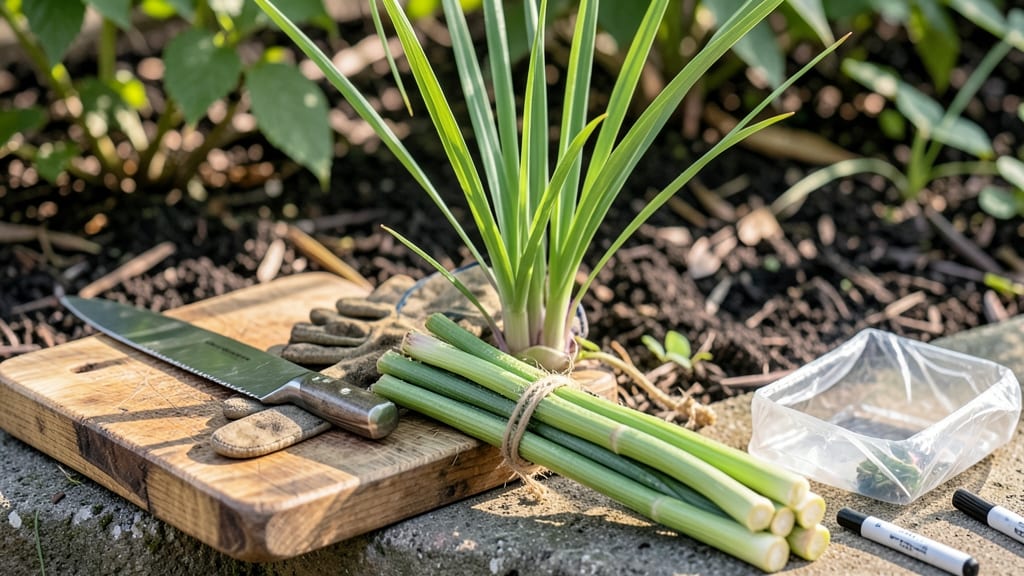
Harvesting and storing lemongrass properly keeps its bold citrus flavor alive—no more wilted, flavorless stalks in your spice drawer.
Picture this: you’ve just chopped your fresh lemongrass 🌿, but by next week, it’s limp and bitter. That’s because most people don’t know the right time to cut or how to preserve it.
The secret? A simple stem snap test and a few storage tricks that turn your harvest into a year-round flavor powerhouse.
Lemongrass thrives in General (Tropical/Subtropical) zones, but even in cooler climates, you can extend its shelf life with the right methods. Whether you’re freezing whole stalks or drying them for tea, I’ll walk you through every step—so your kitchen always has that bright, zesty punch.
By the end, you’ll know exactly when to harvest for peak flavor, how to store it for months, and even how to revive your plant after cutting. No more wasted stalks—just pure, potent lemongrass whenever you need it.

When and how to harvest lemongrass for maximum flavor (stem snap test explained)
Lemongrass reaches its peak flavor when stems are 12-18 inches tall and the base measures ½-inch thick. This is where the stem snap test comes into play—a simple trick to determine if your lemongrass is ready for harvest.
Ignore this step, and you risk harvesting stalks that are either too young (mild flavor) or over-mature (bitter, woody taste).
Timing matters too. In frost-free zones, you can harvest year-round, but in cooler climates like Zone 8, aim for late spring to early fall (March through October). The key is to harvest before the first frost, which can damage the plant and ruin its flavor profile.
Before you grab your pruners, gather these essential tools: sharp pruning shears, a clean cutting board, and a plastic bag for storage. A ruler or caliper also helps measure stem thickness accurately. Skipping these tools can lead to jagged cuts or contamination, which shortens shelf life.
Now, let’s talk about the stem snap test. Bend a stem near the base—if it snaps cleanly with a slight crackling sound, it’s ready. If it bends without snapping or feels rubbery, wait a few more weeks.
This test ensures you’re harvesting at the optimal maturity for maximum citrusy aroma.
⚠️ WARNING: Harvesting Too Late or Too Early Ruins Flavor ⚠️
⚠️ Over-Mature Lemongrass Signs
- Woody stems (hard to bend, no snap)
- Bitter taste (loss of citrusy notes)
- Brown or dry leaf tips (sign of stress)
✅ Ideal Harvest Window
- Stem height: 12-18 inches
- Base thickness: ½-inch diameter
- Bright green, glossy leaves
- Clean snap at base
Harvesting at the wrong stage? Your lemongrass will lose its aromatic oils and citrusy punch, making it less potent for cooking or medicinal use.
Once you’ve confirmed readiness, use sterilized pruning shears to cut stems about 2 inches above the base. This encourages regrowth from the root system. Avoid tearing stems—clean cuts prevent disease and ensure the plant recovers faster.
For year-round harvests, space cuts 6-8 weeks apart to allow regrowth. In cooler climates, harvest more aggressively in spring and summer before growth slows. Never remove more than ⅓ of the plant at once, or you’ll stunt its ability to regenerate.
After harvesting, rinse stems gently to remove dirt but avoid soaking, which dilutes flavor. Pat dry with a paper towel and store immediately. The sooner you process lemongrass, the better it retains its volatile oils—the compounds responsible for that signature citrusy kick.
Pro tip: If you’re growing lemongrass in containers, harvest outer stems first to protect the center. This method mimics natural regrowth patterns and keeps your plant lush. For in-ground plants, leave at least 3-4 inches of space between cuts to avoid overcrowding.
Finally, keep an eye out for pests or disease after harvesting. Stress from cutting can make lemongrass vulnerable to aphids or fungal spots. If you notice yellowing leaves or sticky residue, treat with neem oil or insecticidal soap to protect your plant’s health.
With these techniques, you’ll harvest lemongrass at its peak flavor every time—ready to elevate soups, teas, or homemade remedies. Happy harvesting! 🌿✂️
Step-by-step lemongrass storage methods: fresh, dried, OR frozen?
Once you’ve harvested your lemongrass at peak flavor using the stem snap test, the next challenge is preserving that vibrant aroma and potency. Whether you plan to use it in teas, soups, or marinades, proper storage makes all the difference.
Fresh stalks last only 1-2 weeks in the fridge, while dried or frozen lemongrass can retain flavor for 6+ months with the right techniques.
Your storage choice depends on how you’ll use it—whole stalks for regrowth, chopped for convenience, or roots intact for long-term preservation. Each method has trade-offs, from moisture loss to aroma degradation.
Let’s break down the best approaches, including humidity control, airtight containers, and freezing hacks to lock in that citrusy punch.
For fresh storage, whole stalks wrapped in a damp paper towel and placed in a sealed plastic bag mimic tropical humidity. Store them in the crispest drawer of your fridge (usually the top shelf) to slow wilting.
If you’ve chopped the stalks, spread them on a paper towel to dry briefly before storing in an airtight container—this prevents sogginess and mold. Remember, moisture is the enemy of fresh lemongrass.
Drying is ideal for long-term storage and works best with whole stalks. Bundle 3-5 stalks together and hang them upside down in a dry, dark, well-ventilated space (like a pantry) for 1-2 weeks. Once fully dried, strip the leaves and store them in an airtight jar away from light.
For faster drying, bake stalks at 200°F for 2 hours—just monitor closely to avoid burning. Dried lemongrass loses some aroma but remains potent for up to a year.
Freezing is the best method for retaining flavor, especially if you plan to use chopped lemongrass in recipes. Start by trimming the stalks and removing any tough lower ends. For whole stalks, wrap them tightly in plastic wrap before freezing.
For chopped lemongrass, blanch it in boiling water for 2 minutes to preserve color and texture, then shock it in ice water. Spread the pieces on a tray to freeze solid before transferring to a freezer bag—this prevents clumping. Label with the date for easy tracking.
Pro tip: If you’re storing roots intact to regrow your lemongrass, trim the stalks to 6 inches tall and place the root base in a jar with 1 inch of water. Cover loosely with a plastic bag and store in the fridge.
When ready to replant, transfer the roots to soil and watch it sprout within weeks. This method ensures you’ll always have a fresh supply without losing flavor.
No matter which method you choose, label your storage containers with the date to track freshness. Test a small batch after 6 months to check for aroma and potency—if it’s still vibrant, your storage technique worked!
With these methods, you’ll never run out of that citrusy punch in your garden or kitchen. 🌿