
How To
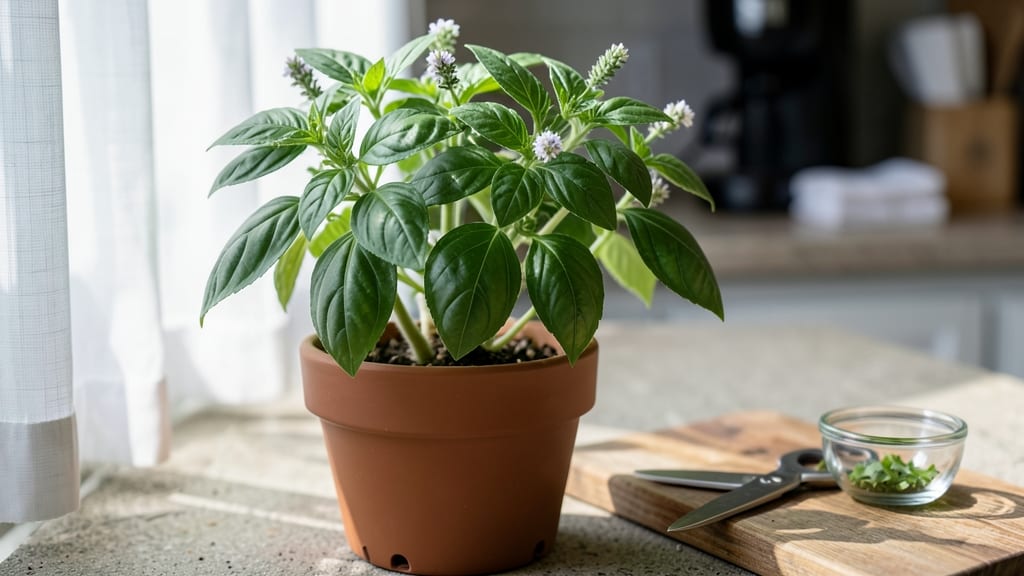
To harvest basil for pesto at its peak flavor, focus on timing and technique—wait until the plant is 6-8 inches tall and leaves are dark green and glossy 🌿.
Crafting the perfect pesto requires basil at its peak—harvesting at the wrong time or using the wrong parts can turn your sauce bland or bitter. The key is knowing when to cut and how to store those fresh leaves so their aromatic oils stay vibrant.
Most gardeners make one of two mistakes: harvesting too much at once or waiting until the plant flowers. Both rob you of the bright, sweet flavor that makes pesto shine. Instead, pinch off the top sets of leaves just above a pair of lower leaves to encourage bushier growth.
In this guide, I’ll walk you through the exact steps to harvest basil for pesto—when to do it, what tools to use, and how to store your harvest so every batch tastes like summer. Let’s get started.

When and how to harvest basil for maximum pesto flavor
Crafting the perfect pesto starts with peak-flavor basil. The secret lies in harvesting at the right growth stage and using proper techniques to preserve those aromatic oils that make pesto sing. If you harvest too early, your basil lacks intensity; too late, and the flavor turns bitter.
Let’s dive into the science of harvesting basil for that bold, fresh taste every pesto lover craves.
Basil plants reach their prime for pesto when they’re 6-8 inches tall and have developed lush, dark green leaves. This usually happens 45-60 days after planting, depending on your climate.
The key is to harvest before flowering, as once those blooms appear, the leaves become bitter and less aromatic. Timing is everything—harvest in the morning after dew dries for the highest concentration of essential oils.
| Harvest Stage | Plant Characteristics | Best Time to Harvest | Pesto Flavor Impact |
|---|---|---|---|
| Early Growth | Leaves small, stems soft (30-45 days) | Not ideal (wait for maturity) | Mild, underdeveloped flavor |
| Prime Harvest | 6-8" tall, dark green leaves, firm stems | Morning (8-10 AM), before flowering | Bold, fresh, aromatic (perfect for pesto) |
| Flowering Stage | Blooms appear, leaves woody stems | Avoid (bitter, low oil content) | Harsh, bitter taste |
| Over-Mature | Leaves sparse, stems hard and woody | Not recommended | Weak, dull flavor |
The best time of day to harvest basil for pesto is early morning, just after the dew has evaporated but before the sun peaks. This is when the essential oils are at their highest concentration, giving your pesto that rich, vibrant flavor.
Avoid harvesting in the afternoon or evening, as the oils can degrade slightly, leading to a less potent taste. Pro tip: Use clean, sharp scissors or pruning shears to avoid crushing stems, which can cause bitterness.
When harvesting, focus on the outer leaves first—they’re fully mature and packed with flavor. This method encourages the plant to produce new growth from the center, keeping your basil bushy and productive. For continuous harvests, aim to take one-third of the plant at a time.
Never harvest more than that, or you risk shocking the plant and reducing future yields. Think of it like a haircut—you wouldn’t shave your head bald, right?
If you’re growing basil in containers, the same rules apply, but be extra gentle. Container-grown basil can be more delicate, so avoid over-pruning. For pesto-making, always prioritize the younger leaves over the older ones—they’re tender and bursting with flavor.
Older leaves can be used, but they’re better suited for infusing oils or making teas rather than fresh pesto. Save the flower buds for garnishes if you must use them, but avoid the blooms themselves.
One common mistake is harvesting basil by pulling leaves instead of cutting stems. This damages the plant and can lead to brown edges or stunted growth. Always use a clean cut just above a leaf node (where leaves meet the stem).
This encourages the plant to branch out and produce more leaves. For continuous harvests, space your cuts 2-3 weeks apart, giving the plant time to recover and regrow.
To maximize your basil’s potential, consider pinching back the tips of young plants when they reach 6 inches tall. This trick promotes bushier growth and more leaves for future harvests.
Pinching is simply removing the top set of leaves with your fingers, encouraging the plant to grow wider instead of taller. It’s a game-changer for pesto lovers who want a steady supply of fresh basil all season long.
Finally, store your freshly harvested basil properly to maintain its freshness and flavor. Wrap the stems loosely in a damp paper towel and place them in a plastic bag in the fridge. This method keeps basil fresh for 5-7 days, perfect for making pesto whenever you’re ready.
For even longer storage, try freezing leaves in olive oil—just lay the leaves flat on a tray, freeze, then transfer to a bag. This preserves the oils and makes it easy to grab a handful for pesto whenever inspiration strikes.
Harvesting basil for pesto is both an art and a science. By following these timing and technique tips, you’ll ensure your basil stays flavorful, productive, and ready to elevate every batch of pesto you make. Happy harvesting—and may your sauce always be bold and bright! 🌿✂️💚
Step-by-step basil harvesting methods for pesto-making
Harvesting basil at the right time and with the right technique ensures your pesto will burst with fresh flavor and aromatic oils. The key is to harvest when the plant is young and vigorous, before flowering, because once basil blooms, the leaves become bitter and less flavorful.
I’ve perfected my method over years of making pesto, and these steps will help you get the most out of your basil harvest every time.
Using the right tools and methods preserves the leaf quality and encourages your basil plant to keep producing lush, flavorful leaves. Whether you’re growing basil in pots or in the garden, these techniques will work for you.
Let’s dive into the step-by-step process to ensure your basil stays fresh and ready for pesto-making all season long.
Harvest basil in the morning after the dew has dried but before the midday heat. This ensures the leaves are hydrated and packed with flavor.
Pick the largest, healthiest leaves from the top and outer stems. Avoid harvesting more than one-third of the plant at once to avoid stressing it.
Use a clean, sharp pair of scissors or pruning shears to make clean cuts. Avoid tearing the leaves, which can damage the plant and reduce flavor.
For smaller harvests, pinch off individual leaves. For larger harvests, prune just above a leaf node to encourage bushier growth.
Store harvested basil in the fridge wrapped in a damp paper towel inside a plastic bag for up to 5 days. For longer storage, freeze in ice cube trays with water or oil.
After harvesting, rinse the leaves gently under cool water to remove dirt, then pat them dry with a paper towel. This step is crucial for preserving the aromatic oils that give pesto its signature flavor.
If you’re not using the basil immediately, store it properly to keep those essential oils intact until you’re ready to make your pesto.
One of my favorite tricks is to harvest basil leaves and stems separately. The young stems can be used whole in pesto, while the older stems are best removed before blending.
This ensures your pesto stays smooth and flavorful, without any unwanted bitterness from tougher stems. With these methods, you’ll always have fresh, aromatic basil ready for your next pesto batch.
Remember, the more you harvest basil correctly, the more your plant will thrive and produce. A well-maintained basil plant can give you continuous harvests all season long, ensuring you never run out of fresh leaves for your favorite recipes. Happy harvesting!