
How To
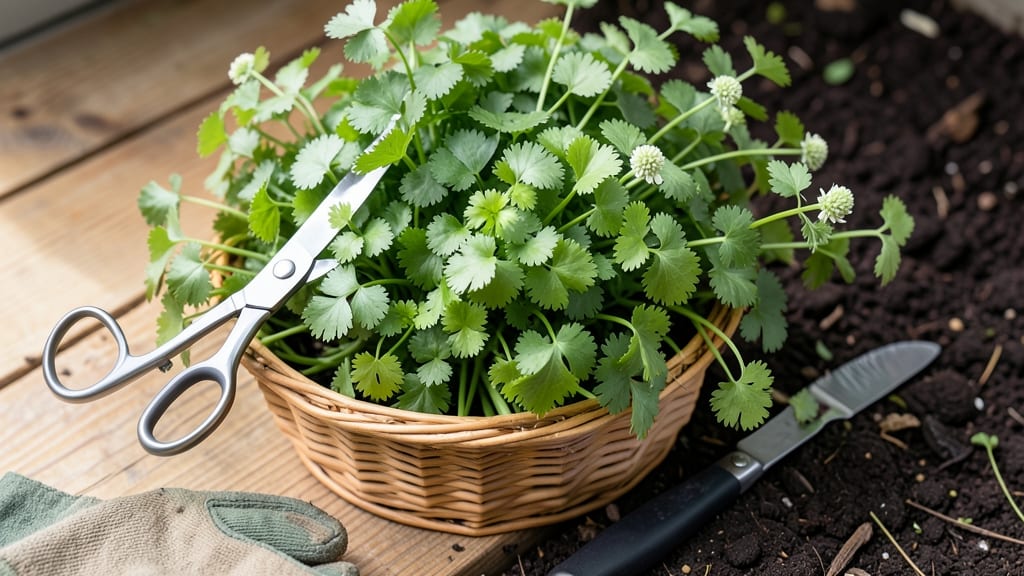
To harvest cilantro at its peak flavor, cut stems just above the bottom leaves when plants reach 3-6 inches tall—this simple technique keeps your garden producing fresh leaves for weeks.
Cilantro lovers know the frustration of watching their plants bolt before they can fully enjoy their fresh, zesty leaves—but there’s a simple trick to keep your harvest flowing all season long.
The cut-and-come-again method isn’t just about harvesting; it’s about maximizing flavor, extending growth, and turning a single plant into a year-round herb powerhouse.
Why does timing matter? Cilantro’s bright green leaves pack the most flavor when harvested young and tender. Waiting too long lets the plant bolt, turning your herb into a bitter seed stalk.
But with the right approach, you can enjoy continuous harvests from spring through fall—even in USDA Zone 6a.
In this guide, I’ll walk you through the exact steps to harvest cilantro without sacrificing regrowth, plus how to store your bounty and troubleshoot common issues like bolting. Ready to turn your garden into a cilantro flavor factory?

Step-by-step guide to harvesting cilantro using the cut-and-come-again method
The cut-and-come-again method is your secret weapon for continuous cilantro harvests all season. Unlike harvesting whole plants, this technique lets you trim leaves repeatedly while encouraging fresh regrowth. The key is timing—harvest when plants are 3-6 inches tall with vibrant, tender leaves but no flower buds yet.
This method works best with young cilantro plants (under 6 weeks old) and preserves that bright, citrusy flavor we all love. Skip this step, and you risk bolting (flowering), which turns cilantro bitter and woody. Let’s dive into the exact steps to keep your plants productive and delicious.
Choose the Right Tools
Use sharp scissors or pruning shears to avoid crushing stems. A clean knife works too—just sanitize it with rubbing alcohol first to prevent disease.
Wait for the Perfect Time
Harvest when outer leaves reach 3-6 inches and the plant has 6-8 true leaves. Avoid cutting if stems feel woody or yellowing—this signals bolting.
Make the Cut
Snip outer leaves first, leaving inner growth points intact. Cut just above a leaf node (where leaves meet stems) to encourage branching. Never remove more than 1/3 of the plant at once.
Water Immediately After
Give your plant a deep drink post-harvest to reduce stress. Water at the base, not the leaves, to prevent fungal issues. Use room-temperature water for best absorption.
Fertilize Lightly
After 2-3 harvests, feed with a balanced fertilizer (5-10-10). Use half-strength to avoid burning roots. Focus on nitrogen to boost leafy regrowth.
Repeat Every 2-3 Weeks
With proper care, your cilantro can produce 3-5 harvests per season. Stop harvesting when plants bolt (tall stems with yellow flowers)—this means the flavor will turn bitter.
Pro tip: If your cilantro starts bolting prematurely, try shade cloth (30-50%) or move pots to a cooler spot. Heat and long daylight trigger flowering, so partial shade in afternoon hours can buy you extra weeks of harvests.
For container gardening, this method works even better—cilantro thrives in 5-gallon pots with well-draining soil. Just ensure pots have drainage holes to prevent root rot, which can kill your plant faster than bolting.
Remember, harvesting cilantro at the right time isn’t just about quantity—it’s about preserving that bright, fresh flavor. Over-harvesting weakens plants, while under-harvesting leads to bolting. Strike that balance, and you’ll enjoy homegrown cilantro for months!
🌿✂️💧
How to prevent cilantro from bolting and maximize continuous harvests
Cilantro's natural tendency to bolt (send up flower stalks) can turn a thriving herb garden into a bitter disappointment. This happens when your plant senses heat stress or long daylight hours, triggering its reproductive cycle.
But with the right strategies, you can delay bolting by 3-4 weeks, giving you more time to enjoy fresh, flavorful leaves.
Start by choosing the right cilantro varieties. Heat-tolerant types like 'Santo' or 'Calypso' handle warmer temperatures better than standard varieties. Plant them in late summer or early fall when temperatures begin to drop, creating cooler conditions that naturally slow bolting.
⚠️ WARNING: Common Mistake That Ruins Your Harvest Overwatering or inconsistent moisture stresses cilantro roots, making plants more likely to bolt prematurely. Keep soil evenly moist (not soggy) by watering early in the morning and using mulch to retain moisture.
Avoid letting soil dry out completely between waterings—this triggers stress responses that accelerate bolting.
Another critical factor is sunlight management. While cilantro needs 4-6 hours of sunlight daily, protect it from intense afternoon sun during hot months. Use shade cloth (30-50% coverage) or plant near taller crops like tomatoes or peppers that provide partial shade.
This mimics cooler, shaded growing conditions cilantro prefers.
Companion planting is your secret weapon against bolting. Pair cilantro with slow-growing herbs like parsley or dill, which create microclimates that stay cooler. Avoid planting near fast-growing brassicas like cabbage, which compete aggressively for nutrients and stress the plant.
A simple trick is to interplant cilantro with lettuce or spinach, which thrive in similar conditions.
Finally, use fertility tricks to keep cilantro focused on leaf production. A light application of fish emulsion (5-10-10 NPK) every 4-6 weeks provides nitrogen without overstimulating growth. Stop fertilizing 6 weeks before your first expected frost—excess nutrients can actually encourage bolting as the plant prepares for winter.
By combining these strategies—heat-tolerant varieties, consistent moisture, sunlight control, and smart companion planting—you'll extend your cilantro harvest by up to 50%. The key is acting early: monitor your plants weekly for signs of stress (yellowing leaves, tall stems) and adjust care immediately.
With patience, your cilantro can stay lush and productive for months instead of weeks. 🌿