
How To
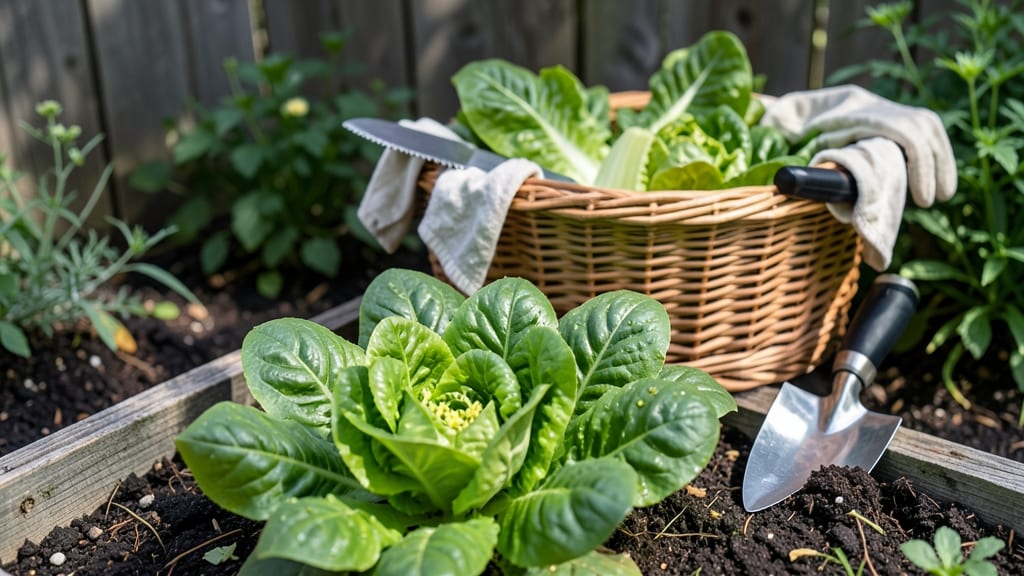
To properly harvest lettuce 🥬 is to unlock a garden secret: the cut-and-come-again method that keeps your plants producing crisp, flavorful leaves for weeks.
Nothing beats the crisp, fresh taste of homegrown lettuce—but harvesting it wrong can turn your garden’s bounty into wilted disappointment. Whether you’re growing loose-leaf or head varieties, timing and technique make all the difference.
You’ll learn exactly when to harvest for peak flavor, which tools to use (and which to avoid), and how to trim leaves without stunting regrowth. Plus, I’ll share the one critical mistake that causes lettuce to bolt prematurely.
By the end, you’ll know how to extend your harvest season, keep your plants thriving, and enjoy salads straight from the garden all spring and fall long.

Step-by-Step guide to cut-and-come-again lettuce harvesting for maximum yield
Harvesting lettuce the right way can extend your salad season for weeks or even months. The cut-and-come-again method is perfect for loose-leaf varieties like Buttercrunch or Romaine, but even head lettuce can benefit.
By harvesting outer leaves first, you encourage regrowth and avoid bolting—when lettuce turns bitter and flowers. This method also prevents over-maturity, which ruins crispness.
Timing is everything: Harvest when leaves reach 4-6 inches long and are firm but tender. If you wait too long, the core may harden or the plant may bolt.
For loose-leaf types, you can start harvesting as early as 28 days after planting, while head lettuce typically needs 45-60 days to mature. Always use clean, sharp scissors or pruners to avoid damaging the plant.
Before you begin, gather your tools: sharp pruning shears, a clean knife, and a bucket of water to rinse leaves. Avoid pulling leaves—this can uproot the plant and stunt regrowth. Instead, focus on outer leaves first, leaving the inner leaves to continue growing.
This method works best in cool weather, ideally between 50°F and 75°F, to prevent stress on the plant.
Step-by-Step Guide to Harvesting Lettuce
- 🌱 Step 1: Choose Mature Leaves
Select outer leaves that are 4-6 inches long and fully grown. Avoid harvesting from the center of the plant, as this can damage the growing point.
- ✂️ Step 2: Use Sharp Tools
Use clean scissors or pruners to cut leaves 1 inch above the base. This prevents tearing and encourages thicker regrowth.
- 💧 Step 3: Rinse Immediately
Place harvested leaves in a bucket of cool water to remove dirt and pests. Rinse gently to avoid bruising the leaves.
- 🌿 Step 4: Leave Inner Leaves Intact
After harvesting, leave at least 2-3 inner leaves to continue growing. This ensures the plant can regenerate for future harvests.
- 🌡️ Step 5: Harvest in Cool Weather
Harvest in the morning when temperatures are below 75°F. Avoid harvesting during hot afternoons, as this can cause stress and bolting.
- 📅 Step 6: Space Harvests 1-2 Weeks Apart
Allow 1-2 weeks between harvests to let the plant recover. Over-harvesting can lead to stunted growth or bolting.
For loose-leaf lettuce, you can harvest multiple times over the season. Simply cut back the outer leaves, and new growth will sprout from the base.
This method works best with varieties like Leaf Lettuce or Oakleaf, which are bred for regrowth. Head lettuce, like Iceberg or Romaine, can also be harvested this way, but you’ll need to cut the entire head and leave the base to regrow.
One common mistake is harvesting too early, which can stunt the plant’s growth. Wait until leaves are fully developed and crisp. Another mistake is cutting into the center, which can damage the growing point and prevent regrowth.
Always aim to leave the inner leaves intact. If you notice the lettuce starting to bolt, it’s time to harvest the remaining leaves and pull the plant to avoid spreading seeds.
After harvesting, give your lettuce some post-harvest care to encourage regrowth. Water the base deeply to replenish moisture, and apply a light nitrogen fertilizer to promote leafy growth. Avoid over-fertilizing, as this can lead to bolting or leaf burn.
Mulch around the base with straw or grass clippings to retain moisture and keep weeds at bay.
If your lettuce starts to bolt prematurely, it’s often due to heat stress or over-maturity. To prevent this, provide afternoon shade during hot months and avoid harvesting too aggressively.
Succession planting—sowing new seeds every 2-3 weeks—can also ensure a continuous supply of fresh lettuce. This way, you’ll always have something to harvest, even as older plants bolt.
With the right techniques, you can enjoy fresh lettuce for months straight from your garden. The key is patience, proper timing, and gentle harvesting. By following these steps, you’ll avoid common pitfalls and keep your lettuce crisp, flavorful, and productive all season long. Happy harvesting! 🥬
Best practices for post-harvest lettuce care: watering, fertilizing, and pest control
After harvesting your lettuce 🥬, the real work begins—keeping your plants healthy enough to regrow for another round of crisp, flavorful leaves. Proper post-harvest care ensures your lettuce stays productive and doesn’t bolt prematurely.
Start by focusing on consistent watering and gentle fertilization to encourage regrowth while avoiding common pitfalls like overwatering or nutrient burn.
Your lettuce needs 1 inch of water per week, but adjust based on your climate. In hot summer months, water in the early morning to prevent evaporation and fungal issues.
For spring and fall harvests, aim for evening watering to keep roots cool. Always water at the base of the plant to avoid wetting leaves, which can lead to disease.
Here’s the key-takeaway for maintaining your lettuce after harvest:
🌱 Post-Harvest Lettuce Care Checklist
- Water: 1 inch/week, morning or evening
- Fertilize: High-nitrogen organic fertilizer every 4-6 weeks
- Prune: Trim outer leaves, leave inner growth intact
- Pests: Inspect for aphids, slugs, or cabbage worms weekly
- Avoid: Overwatering, direct afternoon sun, or heavy fertilizer
✅ Pro Tip: Mulch with straw to retain moisture and deter pests.
To boost regrowth, use a balanced organic fertilizer with a 5-10-10 NPK ratio every 4-6 weeks. Avoid synthetic fertilizers, which can cause nutrient burn and stress your plants. Instead, opt for compost tea or a fish emulsion to provide gentle, nutrient-rich feeding.
Always apply fertilizer in the early morning so it has time to absorb before the heat of the day.
Pests like aphids and slugs can derail your lettuce’s recovery. Combat them naturally by spraying neem oil or introducing beneficial insects like ladybugs. For slugs, set up beer traps or use copper barriers around your plants.
Regularly inspect leaves for yellowing or chewed edges, which are early signs of pest activity.
Monitor your lettuce for signs of bolting, like tall stems or bitter-tasting leaves. If you notice these, reduce sunlight exposure by providing light shade cloth or moving plants to a cooler, shadier spot.
Succession planting can also help by staggering harvests and keeping your garden productive all season long.
With these post-harvest care tips, your lettuce will stay productive and delicious for weeks to come. Happy gardening! 🌿