
How To
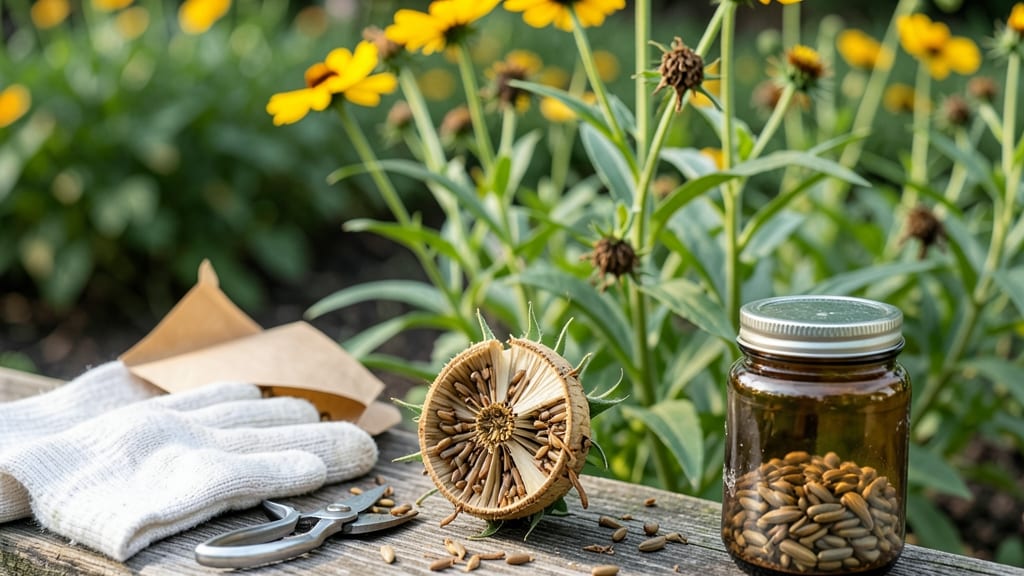
Harvesting Coreopsis seeds is all about timing—wait until the flower heads turn dry and brown 🌼 to lock in next year’s garden potential.
Picture this: your Coreopsis blooms have faded, leaving behind papery brown seed heads that rattle when shaken. That’s your cue—the seeds inside are ready to collect before they scatter on the wind. Miss this window, and you’ll be left with empty seed pods or seeds that won’t germinate.
Why bother? Because saving Coreopsis seeds means free, homegrown plants for seasons to come. No need to buy new seeds every year—just a little patience and the right technique to preserve them properly.
Below, I’ll walk you through exactly when to harvest, how to store them, and what to watch for to ensure strong germination.
From identifying the perfect seed head to storing seeds for long-term viability, this guide covers every step so you can turn those dried blooms into next year’s brightest, hardiest Coreopsis.

When and how to identify Coreopsis seed heads ready for harvesting
Harvesting Coreopsis seeds at the perfect moment ensures strong germination for next year's garden. The key is watching for visual cues that signal maturity—like color shifts and texture changes. If you miss the window, seeds may scatter or lose viability, wasting your plant's hard work.
Timing is everything with Coreopsis seed heads. Most varieties reach harvest readiness between late August and October, depending on your USDA zone. In warmer climates, you might start seeing mature seed heads as early as July, while cooler regions may need to wait until September.
Look for dry, papery seed heads that have turned a uniform light to medium brown. The petals should have completely fallen away, leaving behind a crispy, hollow structure. If you shake a mature seed head, you’ll hear seeds rattling inside—this is your green light to harvest.
Here’s how to spot overripe vs. underripe seed heads to avoid mistakes:
- Overripe: Seed heads turn dark brown or black, seeds may scatter easily
- Underripe: Seed heads still have green or moist areas, seeds don’t rattle
- Perfect: Uniform brown color, crispy texture, seeds rattle when shaken
How to Harvest Coreopsis Seeds: Step-by-Step
- Step 1: Wait until flower petals drop completely, leaving dry seed heads behind. Use a sharp pair of pruning shears to cut stems 2-3 inches below the seed head.
- Step 2: Gather seed heads in a paper bag (not plastic) to allow airflow and prevent mold. Hang bags upside down in a dry, shaded area for 1-2 weeks to fully dry.
- Step 3: Once seeds rattle freely, rub seed heads between your fingers or use a clean, dry brush to release seeds into your bag. Discard empty husks or debris.
- Step 4: Store seeds in a cool, dark place (like a sealed envelope or jar) for up to 2 years. Label with the harvest date and variety name for future reference.
- Step 5: If seed heads scatter naturally before harvest, collect fallen seeds from the ground. Spread a tarp or newspaper beneath plants to catch stray seeds for easier collection.
Harvesting in the morning after dew has dried helps prevent moisture buildup, which can cause mold. Avoid harvesting on rainy days, as damp seeds may not dry properly or could develop fungal issues during storage.
One common mistake is harvesting too early. If you pick seed heads that are still green or partially moist, the seeds inside won’t be viable. Always wait until the entire seed head is crispy and brown—this ensures the highest germination rates for next season.
Pro tip: Mark your calendar for the first frost in your area. Coreopsis seeds should be harvested at least 4-6 weeks before the first expected frost to allow for proper drying time. In Zone 6a, aim to finish harvesting by mid-October.
If you’re unsure whether your seed heads are ready, perform the "shake test". Hold a seed head over a white piece of paper and give it a gentle shake. If seeds rain down easily, they’re ready for harvest. If not, wait another 3-5 days and test again.
Remember, patience is key when harvesting Coreopsis seeds. Rushing the process can lead to poor germination, but taking the time to identify the perfect moment ensures you’ll have a bountiful supply of seeds for future gardens. Happy harvesting! 🌾
Best methods for collecting and storing Coreopsis seeds for germination
Once your Coreopsis seed heads turn brown and crispy, it’s time to collect them before the seeds scatter. The key to successful storage lies in proper drying and handling—this ensures high germination rates and prevents mold.
I’ve learned that even a slight delay in drying can reduce seed viability, so timing is everything.
Start by gently snipping the dried seed heads with clean pruning shears or scissors. Avoid crushing the heads, as this can damage the delicate seeds inside. Place them in a paper bag or open container to allow airflow—this is crucial for preventing moisture buildup.
I like to label each bag with the variety name and harvest date to keep track of freshness.
🌾 Pro Tip: How to Harvest Coreopsis Seeds
- 📅 Timing: Harvest when seed heads are fully brown and crispy to touch (late summer to early fall).
- ✂️ Technique: Snip heads just above the stem to avoid damaging the plant.
- 🌬️ Drying: Spread heads in a single layer on paper towels in a dry, shaded spot for 1-2 weeks.
- 🔍 Check: Seeds are ready when they shake loose easily from the head.
After harvesting, let the seed heads dry indoors for 1-2 weeks in a well-ventilated area. I place mine on a screen or mesh tray to ensure airflow circulates on all sides.
This step is critical—if seeds dry too quickly or in humid conditions, they may develop mold or rot, which ruins your entire batch.
Once fully dry, gently rub the seed heads between your fingers or use a clean paintbrush to dislodge the seeds. Store them in a paper envelope or glass jar with a silica gel packet to absorb excess moisture.
I’ve found that airtight containers can trap humidity, so I avoid them unless I’ve already reduced moisture levels significantly.
Label your storage container with the harvest year and variety—this helps you track seed age. Coreopsis seeds typically remain viable for 1-2 years if stored properly in a cool, dark place (like a fridge or seed vault).
I keep mine in a zip-top bag inside the fridge’s crisp drawer for maximum freshness.
When it’s time to plant, test a few seeds by placing them on damp paper towels. If they sprout within 7-14 days, your stored seeds are still good to go! If not, you may need to source fresh seeds or try a different batch.
With the right care, your Coreopsis seeds will be ready to brighten next year’s garden with minimal effort. 🌼