
How To
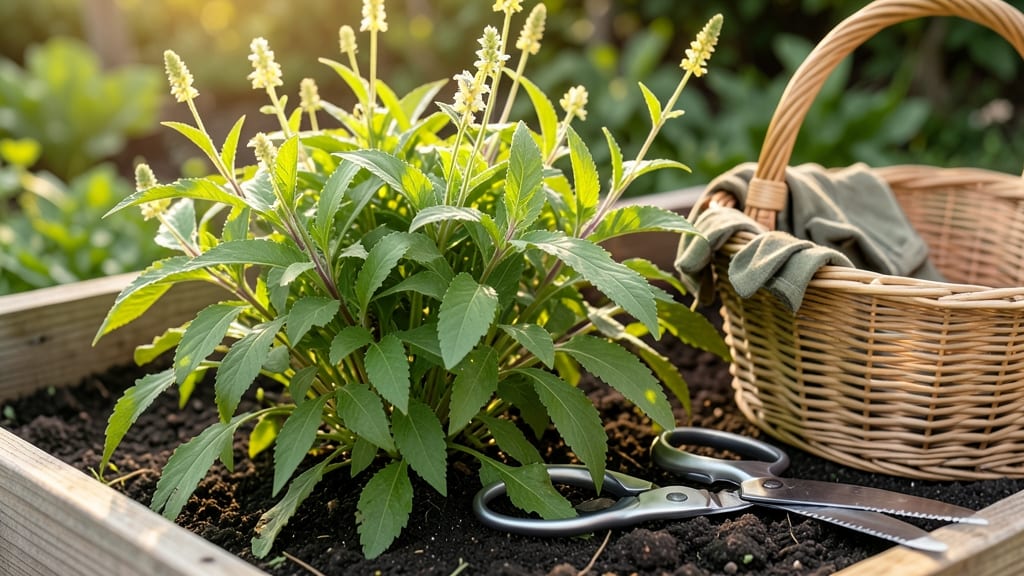
To harvest culantro at its peak flavor, you’ll want to snip leaves when they’re tender and bright green 🌿—before the plant bolts or turns bitter.
Picture this: you’re about to toss a bland stir-fry into the pan, then reach for your basket of culantro—only to find the leaves tough and the flavor dull. That’s the difference between harvesting at the right time and missing the window entirely.
In this guide, I’ll walk you through the exact moments to pick your culantro for maximum zing, the best cutting techniques to encourage regrowth, and how to store what you harvest so it stays fresh longer.
Whether you’re a seasoned gardener or just starting with this citrusy herb, these tips will ensure every stem you bring inside delivers the bold, fresh taste you crave—without the bitterness or wasted effort.

The perfect harvest window: when to pick culantro for peak flavor
Timing your culantro harvest is everything—pick too early, and you’ll get sparse leaves; too late, and bitterness creeps in. The sweet spot? When your plant hits 45-60 days of growth, with leaves reaching 4-6 inches tall and a vibrant dark green hue.
This citrusy herb rewards patience, but rushing the process turns your kitchen staple into a bitter disappointment.
Culantro thrives in warm temperatures (70°F+), so aim for harvests between May and October in most climates. In frost-free zones, you can enjoy year-round harvests, but flavor peaks during summer’s heat.
The key is watching for tender stems and avoiding woody texture—this is your plant’s way of saying "I’m ready!"
Seasonal timing matters too. In cooler regions, start harvesting after the last frost (April 15 in USDA Zone 6a) when new growth appears. For container growers, check leaves every 3-5 days—they’ll tell you when it’s time to snip.
| Growth Stage | Harvest Indicators | Best Time of Day | Flavor Profile |
|---|---|---|---|
| 30-45 Days | Leaves 2-4" tall, sparse growth | Morning (cool leaves) | Mild, developing |
| 45-60 Days | Leaves 4-6", dark green, tender stems | Early morning | Peak citrusy, sweet |
| 60+ Days | Woody stems, flowering buds | Avoid harvest | Bitter, harsh |
| Year-Round (Tropical) | Consistent 4-6" leaves | Morning or evening | Steady sweetness |
Never harvest culantro after flowering—this is when bitterness spikes. Watch for tiny yellow buds forming at leaf junctions; once you spot them, it’s time to prune back the plant to encourage fresh regrowth.
Pro tip: Harvest in the morning when essential oils are most concentrated, ensuring maximum flavor in every dish.
For container-grown culantro, check leaves every 2-3 days—they’ll grow faster in pots. If your plant starts looking leggy or sparse, it’s begging for a haircut.
Snip the outer leaves first, leaving the inner growth to keep producing. This method keeps your plant bushy and productive for weeks.
In cooler climates, extend your harvest season by growing culantro in containers and moving them indoors before the first frost (October 30 in Zone 6a). Place them near an east-facing window for 4-6 hours of morning sun—this mimics their outdoor growing conditions and keeps flavor strong.
One common mistake? Waiting until leaves get too large or tough. Aim for 4-6 inch leaves—any bigger, and the flavor dulls. Think of culantro like cilantro’s citrusy cousin: harvest young, harvest often. This prevents bitterness and keeps your plant producing fresh, flavorful leaves for months.
If your culantro starts tasting soapy or bitter, it’s a sign of stress—likely from over-maturity or drought. Increase watering to every 3-5 days and trim back any woody stems. With proper care, your plant will bounce back with tender, flavorful regrowth in just 2-3 weeks.
For maximum shelf life, harvest with a sharp pair of scissors and store stems in a glass of water in the fridge. Change the water every 2-3 days to keep leaves crisp.
Alternatively, bundle stems with a rubber band and hang upside down in a cool, dark pantry for 1-2 weeks of freshness.
Remember: culantro’s flavor peaks when you pick it young. Treat it like a fast-growing salad green—harvest often, and it’ll reward you with bold, citrusy leaves all season long. Now grab those shears and enjoy the harvest! 🌿
Step-by-step harvesting techniques to preserve culantro’s freshness
Harvesting culantro at the right time and with the right technique ensures you get the brightest citrusy flavor without bitterness. Unlike other herbs, culantro’s leaves and stems are both edible, but improper cutting can stress the plant or trigger unwanted regrowth.
Here’s how to harvest like a pro while keeping your plants thriving.
Start by gathering your harvesting tools: a sharp pair of pruning shears or clean scissors, a bowl for storage, and a damp paper towel. Avoid using dull tools—they crush stems and invite disease.
Work in the early morning when leaves are hydrated and flavors peak, or just before sunset to prevent wilting.
How to Harvest Culantro: 5 Simple Steps
-
Step 1: Identify Ready Leaves
Look for dark green, tender leaves that are 4-6 inches tall. Avoid harvesting leaves near the base if they’re small or sparse—this stunts regrowth. -
Step 2: Choose Your Cutting Method
Leaf-only harvest: Pinch off individual leaves with your fingers. Stem harvest: Cut stems 1-2 inches above the base using shears to encourage bushier growth. -
Step 3: Make Clean Cuts
Use sterilized scissors to snip stems at a 45-degree angle. This prevents water from pooling on the cut, reducing rot risk. Never rip leaves—it damages the plant. -
Step 4: Leave 2-3 Inches of Growth
Never remove more than 30% of the plant at once. Leave at least 2-3 inches of stem to ensure the plant can recover and regrow quickly. -
Step 5: Store Properly for Freshness
Rinse leaves gently, then pat dry with a paper towel. Store in an airtight container with a damp paper towel in the fridge crisper drawer for up to 10 days. For longer storage, freeze leaves in ice cube trays with water.
If your culantro leaves turn bitter after harvesting, you’re likely picking stems that are too mature. Always harvest young, tender growth—older stems develop a soapy, bitter taste that ruins dishes.
For potted culantro, rotate the pot every few weeks to ensure even sunlight exposure, which prevents uneven growth and bitterness.
After harvesting, give your plant a light watering to help it recover, especially if you’ve cut back more than 20% of the foliage. Avoid fertilizing immediately post-harvest—wait 1-2 weeks to let the plant rebound before adding nutrients.
With the right technique, your culantro will keep producing flavorful leaves for months without bolting.
Pro tip: Label your culantro plants if growing multiple herbs to avoid confusion. Some gardeners mistake cilantro for culantro—culantro has longer, thinner leaves and a stronger citrusy aroma. Keep a small notebook nearby to track harvest dates and plant responses for future reference!