
How To
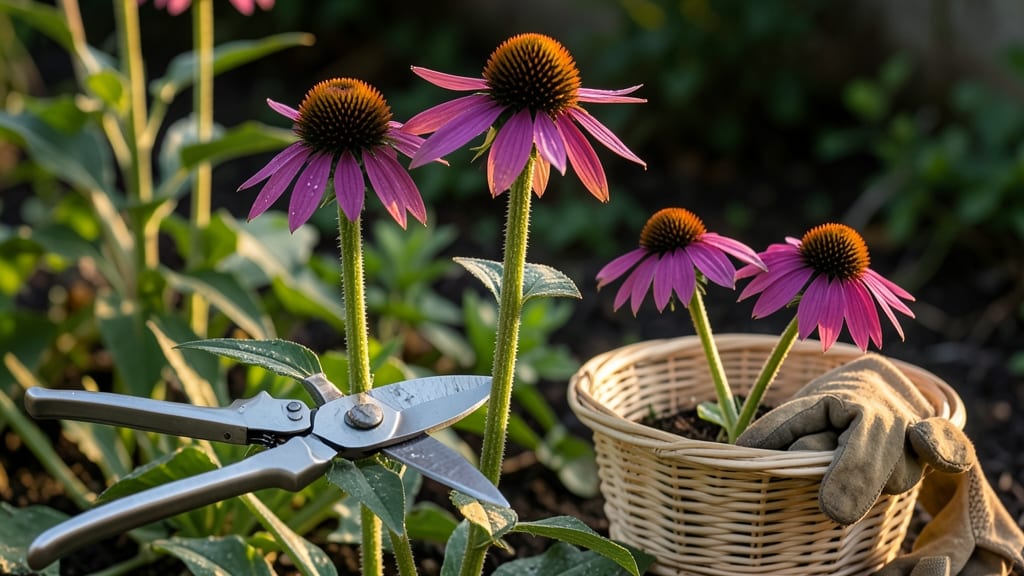
To harvest echinacea at its peak—when the vibrant 🌸 blooms are fully open but still packed with medicinal power—you’ll need to time it just right and handle the stems with care.
Picture this: you’re reaching for your echinacea stems on a crisp July morning, only to realize the flower heads have already dried out or the petals have faded. That’s a missed opportunity because harvesting too early or too late weakens the plant’s immune-boosting properties.
In this guide, I’ll walk you through the exact moment to cut your echinacea—when the buds unfurl but before they drop—and share the best tools and drying methods to preserve those golden herbal benefits for teas, tinctures, or even homemade remedies.
Whether you’re growing echinacea in Zone 6a or just starting your first patch, these steps will help you maximize your yield while keeping your plants healthy for years to come.

When to harvest echinacea stems and flower heads for best yield
Timing is everything when harvesting echinacea—especially if you want the highest concentration of medicinal compounds like alkamides and polysaccharides. The ideal harvest window occurs when flower heads are fully open but before petals fade or seeds mature.
This ensures maximum potency for teas, tinctures, or dried remedies, while also preserving the plant’s energy for future blooms.
Most gardeners harvest echinacea between mid-summer and early fall, typically from July through September in USDA Zone 6a. However, the true indicator isn’t the calendar—it’s the plant’s natural cues.
Look for fully unfurled petals that still hold their vibrant purple hue, paired with a firm, sturdy stem that bends slightly but doesn’t snap. This flexibility signals peak ripeness.
Weather plays a crucial role too. Harvest on dry, sunny mornings after dew has evaporated. Avoid harvesting after rain or in high humidity, as moisture can dilute the plant’s medicinal properties and promote mold during drying.
If you must harvest in damp conditions, spread the stems immediately under shade to dry briefly before processing.
One common mistake is waiting until the flower heads start wilting or dropping petals. By then, the alkamide content—the compound responsible for echinacea’s immune-boosting effects—begins to degrade.
The golden rule is to pick when the central cone is fully exposed but the petals still feel crisp to the touch, almost like a just-opened rose.
For maximum yield per plant, prioritize harvesting the largest, healthiest flower heads first. Echinacea often produces multiple blooms per stem, so focus on the most vibrant flowers while leaving smaller or less vibrant ones to continue photosynthesizing. This strategy ensures your plant keeps producing high-quality blooms throughout the season.
- 1. Check the flower head: Petals should be fully unfurled but still vibrant purple. The central cone should be fully exposed.
- 2. Test stem flexibility: Gently bend the stem—it should bend slightly but not break. A weak stem means it’s not ready.
- 3. Harvest in ideal weather: Choose dry, sunny mornings with no rain forecasted for 24 hours.
- 4. Use clean tools: Snip stems with sterilized pruners about 2-3 inches below the flower head to avoid damaging the plant.
- 5. Process immediately: Remove leaves and loose petals, then bundle stems in paper bags for air-drying or process in a dehydrator.
Seasonal timing varies slightly based on your climate and echinacea variety. In cooler regions, harvest may start as early as late June, while warmer zones might extend into October. Purple coneflower varieties often mature slightly later than white or pink echinacea, so adjust your schedule accordingly.
Pay attention to your local first frost date—harvesting too close to frost can stress the plant and reduce yield.
Did you know echinacea’s medicinal potency peaks at midday? This is because the plant’s alkamide levels are highest when photosynthesis is at its strongest. If possible, harvest between 10 AM and 2 PM to capture the maximum therapeutic compounds.
Store harvested stems in a cool, dark place for up to 24 hours before drying to preserve freshness.
For home gardeners, a simple trick is to harvest every other flower head on a stem. This leaves enough energy for the plant to produce more blooms while still giving you a steady supply.
Avoid cutting more than one-third of the plant’s blooms at once, or you risk weakening the echinacea for the rest of the season. Balance is key!
Once you’ve mastered the perfect harvest time, you’ll notice a dramatic difference in the color, aroma, and potency of your dried echinacea. The vibrant purple petals should turn a dull grayish-brown once fully dried, and the stems should crisp up easily when bent.
This is your cue that the drying process is complete and your harvest is ready for storage.
Step-by-step guide to harvesting and drying echinacea properly
Harvesting echinacea at the right time ensures you capture its maximum medicinal potency. The key is timing—wait until the flower heads are fully open but before petals start browning.
This usually happens in mid-to-late summer, but weather and variety can shift this window slightly. Once you’ve identified the perfect moment, follow these steps to preserve those therapeutic compounds.
Before you begin, gather your harvesting tools: sharp pruners or shears, a clean bucket, and a drying rack or mesh bags. Avoid using dull tools, as they can crush stems and reduce the quality of your dried echinacea.
Work on a dry, sunny morning when dew has evaporated, as this minimizes moisture and helps prevent mold during drying.
How to Harvest Echinacea
-
Step 1: Identify Ready Flowers
Look for fully open blooms with vibrant petals and a firm central cone. Avoid flowers that are wilting or have brown edges. -
Step 2: Cut Stems at the Base
Use clean pruners to cut stems at a 45-degree angle, about 2-3 inches below the flower head. This encourages new growth. -
Step 3: Remove Lower Leaves
Strip off the bottom 2-3 inches of leaves to prevent mold during drying and improve airflow around the flower heads. -
Step 4: Bundle Stems
Gather 5-10 stems and tie them together with twine at the top and middle to create a bundle for easier hanging. -
Step 5: Transport Carefully
Place bundles in a well-ventilated container and keep them out of direct sunlight until you’re ready to dry them.
Once your echinacea is harvested, you have two primary drying methods: air-drying or using a dehydrator. Air-drying is the most traditional approach and requires minimal equipment.
Hang your bundles upside down in a dark, well-ventilated space with temperatures between 70-80°F. This process typically takes 1-2 weeks, depending on humidity levels.
A dehydrator offers faster results—usually 4-6 hours at 95°F. Arrange flower heads on the dehydrator trays, ensuring they don’t overlap. Stir them occasionally to promote even drying. Test for dryness by gently rubbing a petal; if it crumbles easily, your echinacea is ready for storage.
Store dried flowers in airtight containers away from light to preserve their potency for up to 1 year.
Properly dried echinacea can be used in herbal teas, tinctures, or even homemade remedies. Always label your containers with the harvest date to track freshness. With these steps, you’ll maximize yield while keeping the therapeutic benefits intact for years to come. 🌸