
How To
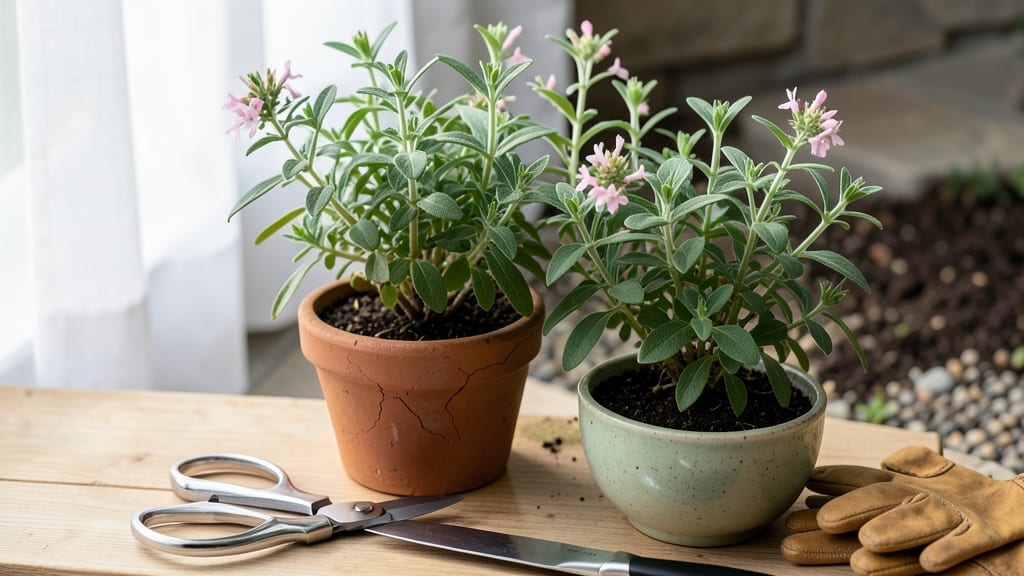
To harvest fresh oregano at its peak flavor, time your cuts just right—before blooms appear and the leaves turn woody, which is when the brightest aroma fades into mediocrity.
Fresh oregano isn’t just a kitchen staple—it’s a flavor powerhouse that thrives when harvested correctly, and timing everything from cutting to drying makes all the difference between pungent perfection and bland disappointment.
You’ll want to start harvesting once your 🌿 oregano plant reaches 6 inches tall, with leaves fully developed and fragrant. This usually happens in June for most gardeners in Zone 6a, but the key is watching the plant, not the calendar.
In this guide, I’ll walk you through the exact steps to harvest, prune, and preserve your oregano—so you can enjoy that bold Mediterranean taste all season long, without sacrificing your plant’s health.

When and how to harvest oregano for maximum flavor and growth
Timing your oregano harvest is everything—cut too early, and you’ll get sparse leaves; wait too long, and the flavor fades while stems turn woody. The best harvest window spans from late spring through early fall, when your plant is actively growing but hasn’t yet bolted.
For perennial varieties, this means June through September in most climates, while annual oregano should be harvested before the first frost hits in October.
Look for these maturity indicators before harvesting: leaves should be dark green and fully developed, stems slightly woody but not hard, and the plant at least 6 inches tall. A gentle squeeze should release that signature aromatic punch—if it doesn’t, wait another week.
Avoid harvesting when flowers appear, as this shifts energy away from leaf production and dulls the flavor.
Pro tip: Harvest in the morning after dew has dried but before the sun peaks. This ensures the highest oil concentration in the leaves, meaning maximum flavor. Use sharp, clean pruning shears or scissors to make clean cuts just above a leaf node—this encourages bushier regrowth.
| Harvest Stage | Plant Characteristics | Best Time to Harvest | Cutting Technique |
|---|---|---|---|
| Early Growth | Leaves small, stems soft | Wait 60+ days after planting | Pinch tips only |
| Mature Leaves | Dark green, fragrant, 6"+ tall | June-September (perennial) | Cut 1/3 of stems, above node |
| Late Season | Flowers appearing, woody stems | Before frost (October) | Harvest entire stems for drying |
| Regrowth | New shoots after pruning | 4-6 weeks post-cut | Trim again at 1/3 height |
Never harvest more than one-third of the plant at once, or you’ll stress the oregano and risk stunted growth. Focus on the outer stems first, leaving the center intact to protect new growth.
If your plant is woody at the base, it’s time for a rejuvenation cut—trim back by half to encourage fresh, tender shoots. This works especially well for older perennial plants that’ve lost their bushy shape.
Seasonal adjustments matter: in hot summer months, harvest more frequently to prevent bolting, while in cooler spring/fall, space cuts out by 2-3 weeks. If you’re growing annual oregano, prioritize harvesting before temperatures drop below 50°F (10°C), as cold sensitivity reduces flavor potency.
For container-grown oregano, the same rules apply, but monitor soil moisture more closely—containers dry out faster. If your plant looks wilting or leggy, it’s a sign you’re over-harvesting.
Step back and let it recover for 2-3 weeks before resuming cuts. Patience here ensures a longer harvest season and a healthier plant overall.
After harvesting, rinse stems briefly under cool water to remove dirt, then pat dry with a paper towel. Bundle stems together and hang them upside down in a dry, dark, well-ventilated space for 1-2 weeks to dry completely.
Proper drying preserves that bold oregano flavor for months—far longer than fresh-cut leaves would last in the fridge.
One common mistake is harvesting with dull tools, which crush stems and invite disease. Always use clean, sharp pruners and disinfect them with rubbing alcohol between cuts. Another pitfall? Ignoring regrowth signals.
If your oregano sends up new shoots within 4-6 weeks after cutting, it’s ready for another harvest—this is your plant’s way of telling you it’s thriving!
To maximize year-round harvests, consider growing oregano in containers—they’re easy to move indoors during winter. Even if growth slows, a sunny windowsill can keep your plant alive for light trimming through the colder months. Just reduce watering to every 2-3 weeks** and avoid fertilizing until spring.
Pruning tips to keep your oregano plant healthy and productive
Pruning your oregano plant isn’t just about shaping—it’s a game-changer for flavor and longevity. When done right, regular trims encourage bushier growth, prevent woody stems, and keep your herb vibrant for years.
The key? Timing and technique. Over-prune, and you’ll stunt growth; skip it, and your plant turns tough and less aromatic. Let’s dive into the best practices to keep your oregano thriving.
Start by focusing on deadheading—removing spent flowers. This redirects energy from seed production back to leaf growth, giving you more flavorful foliage. Use clean, sharp pruning shears and cut just above a leaf node to encourage branching.
For established plants, aim to trim back one-third of the plant in early spring to rejuvenate growth. This technique works wonders for perennial oregano varieties, like Greek or Italian types.
⚠️ WARNING: Avoid These Pruning Mistakes!
⚠️ Using dull or dirty shears can introduce disease. Sterilize your tools with rubbing alcohol before and after pruning. Dull blades cause jagged cuts, which slow healing and invite pests.
⚠️ Over-pruning in one session stresses the plant. Never remove more than one-third of the plant at once, especially during hot weather. This can shock the roots and reduce yield.
For rejuvenation cuts, focus on older stems that have turned woody. These stems produce fewer leaves and weaker flavor. Snip them back to new growth to stimulate fresh, tender shoots. This is especially important for older oregano plants (3+ years), which can become leggy.
Rejuvenation cuts in late winter or early spring give your plant a head start for the growing season.
Shape your oregano plant to improve airflow and sunlight penetration. Trim back any overcrowded branches to reduce humidity and fungal risks. Aim for an open, rounded shape—this mimics the plant’s natural form and encourages even growth.
Avoid cutting into the woody center of mature plants, as this can kill the plant. Instead, focus on outer stems.
Regular pruning also helps control the plant’s size, making it easier to harvest. If your oregano is growing too tall or leggy, a light trim every 4-6 weeks during the growing season keeps it manageable.
This frequent maintenance prevents the need for drastic cuts later. Plus, you’ll always have fresh, flavorful leaves ready for your favorite dishes.
Don’t forget to use your pruned stems! Toss them into soups, salads, or dry them for later use. The more you prune, the more you harvest—and the happier your oregano plant will be.
With these tips, your oregano plant will stay productive, flavorful, and full of life for seasons to come. 🌿✂️🌱